Klaipėda Port Handled Almost 7 Million Tonnes More Cargo Than All Latvian Ports Combined in Nine Months
Lithuania's Klaipėda port handled over 30 million tonnes of cargo in January–September 2026, while total turnover in Latvian ports fell 9.7% to 23.06 million tonnes. Latvian ports are struggling with falling transit and the near-disappearance of coal in Ventspils.
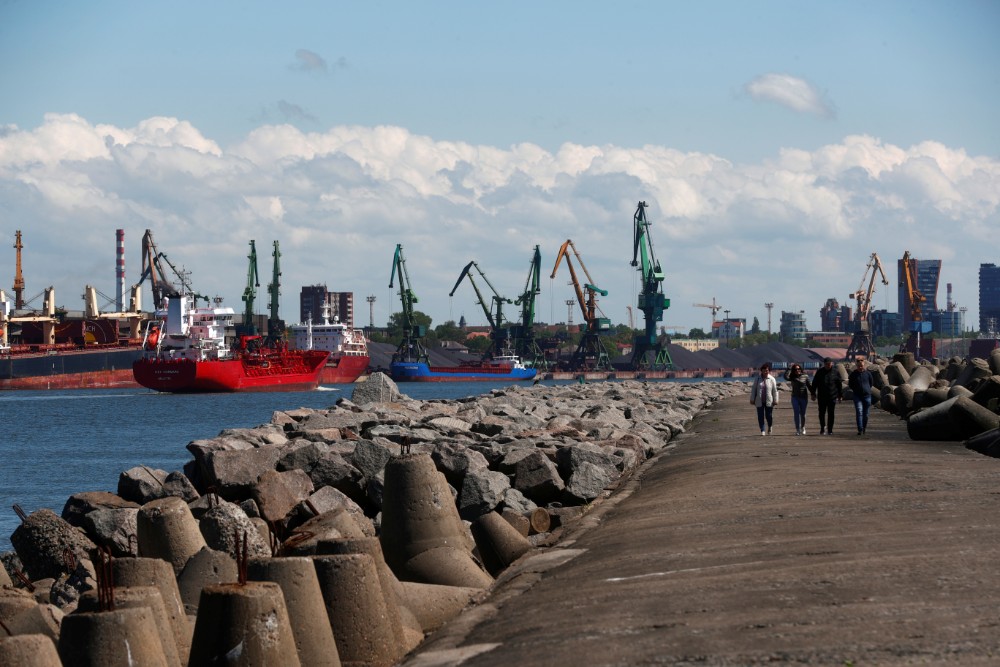
Klaipėda, Lithuania's main seaport, handled more than 30 million tonnes of cargo in the first nine months of 2026, up 5% from a year earlier. Combined cargo turnover in Latvian ports fell 9.7% over the same period to 23.06 million tonnes. Klaipėda alone therefore moved almost 7 million tonnes more than all Latvian ports together. The figures, cited by the news portal Baltic Focus, point to stronger competition among the Baltic states' ports.
Latvian port results
The Port of Riga handled 11.99 million tonnes in January–September, 2.3% less than a year earlier. The decline stood at 0.6% at the half-year mark, so the situation has worsened. The biggest losses were in timber (down 423,000 tonnes), oil products (down 206,000 tonnes) and containerised cargo (down almost 149,000 tonnes). Container turnover in Riga dropped 6.5% to 343,674 TEU (twenty-foot equivalent units).
Turnover in Ventspils fell 21.2% to 5.09 million tonnes. The main reason is the collapse of coal shipments: 1.145 million tonnes were transhipped in the first nine months of 2025, against only 3,300 tonnes this year. Last year's coal came from Kazakhstan as part of sea transhipment operations. The source notes that the statistics do not explain why these cargoes stopped arriving. In Liepāja, volumes decreased 11.4% to 4.52 million tonnes, and other Latvian ports saw a 13.9% decline to 1.46 million tonnes.
Grain and containers
Latvian ports handled 4.03 million tonnes of grain and grain products, 5.4% less than last year, although grain volumes in Riga rose 4.7% to 2.09 million tonnes. Klaipėda handled 2.82 million tonnes of grain.
Klaipėda's containerised cargo grew 12% to 10.68 million tonnes, and the port served 1,033,794 TEU. Liquefied natural gas and fertiliser cargoes each rose 22%.
Rail transit
Rail transit cargo to Latvian ports reached 3.12 million tonnes, 7.3% less than a year ago. In 2016 the figure was 28 million tonnes, meaning that transit has shrunk almost ninefold in ten years.