Latvia Explores Dairy and Meat Export Opportunities in Kazakhstan
Latvia is stepping up talks with Kazakhstan on exporting dairy, meat and food technology, and on setting up joint production. Trade between the two countries reached 85.5 million US dollars in the first half of 2026.
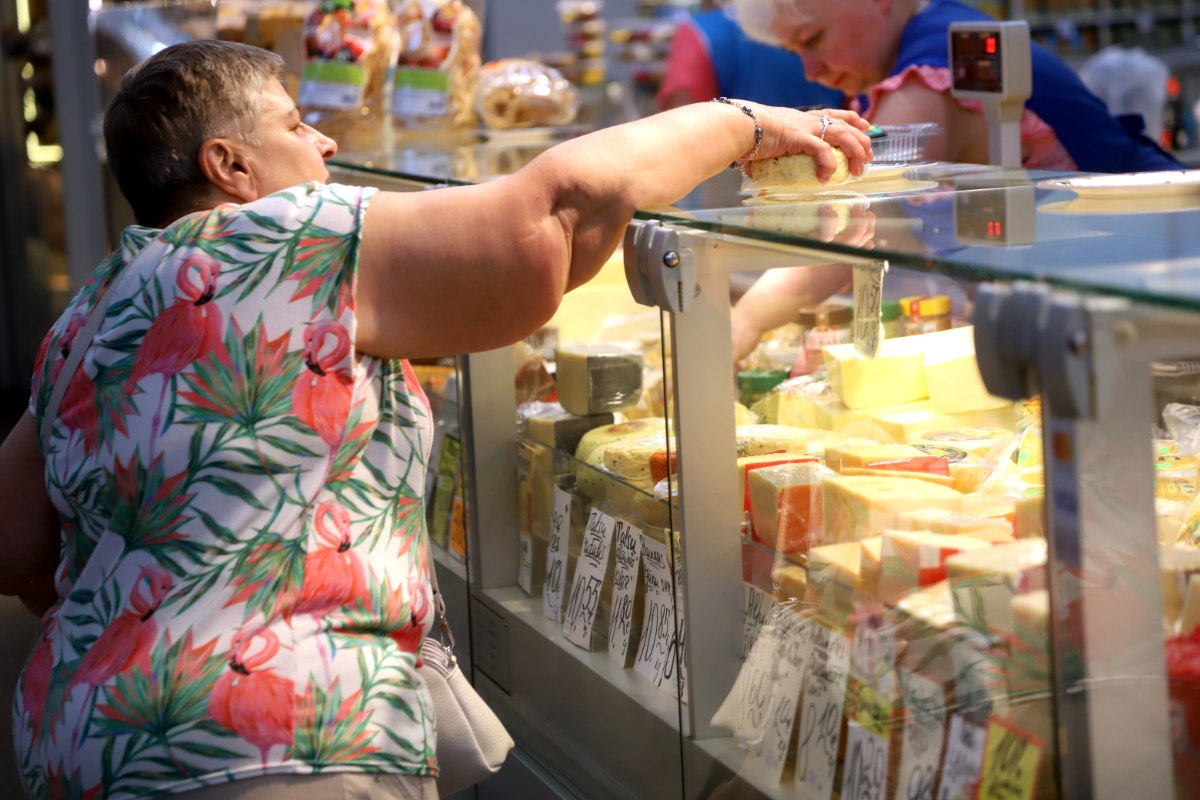
Latvia is actively seeking new markets for its dairy and meat products in Kazakhstan, a Central Asian country of more than 20 million people. The Latvian side also wants to export food-processing technology and create joint ventures. Azerbaijani news agency Trend reported on this on 22 October. The move could open new prospects for local food producers, whose exports to Kazakhstan fell sharply in the past.
Trade is growing
In the first half of 2026, trade between Latvia and Kazakhstan totalled 85.5 million US dollars, 4.2% more than a year earlier. In 2025, trade in agricultural products alone between the two countries reached 51.4 million dollars.
In September, Kazakhstan's ambassador to Latvia, Dauren Karipov, met Latvian Minister of Agriculture Uldis Augulis. Dairy and meat farming, food production, fishing, storage and transport, logistics hubs, innovation and agricultural science were named as promising areas.
May visit and concrete talks
In May, a delegation of Latvian food and agriculture companies travelled to Kazakhstan. It included Smiltenes piens, Cēsu gaļas kombināts, Rēzeknes gaļas kombināts, LATRAPS, VAKS, the Latvian Dairy Farmers' Central Union and several logistics firms. The Ministry of Agriculture said Latvia once exported dairy products to Kazakhstan worth about three million euros a year, but geopolitical circumstances caused a significant drop. The Latvian side hopes to restore this trade, in particular by getting Latvian cheese back on Kazakh store shelves.
At a business forum in Astana, entrepreneurs held B2B meetings, and the Kazakh side said specific commercial contracts were discussed as well.
Technology, logistics and competition
Kazakhstan is modernising its agro-industrial sector and offers investment subsidies, financing and infrastructure support to companies that set up export-oriented production there. It values Latvia's experience in veterinary safety and in training agricultural specialists.
The delegation also visited Karaganda airport, where it discussed moving cattle and agricultural products by cargo aircraft. In 2025, about 750,000 tonnes of Kazakh cargo passed through Latvian ports. At the same time, Kazakhstan is developing its own food industry: a cheese factory with an annual capacity of over 40,000 tonnes is under construction in the Almaty region, so Latvian companies will have to reckon with competition.


