Lindsay Clancy trial: prosecutors highlight searches suggesting staged suicide attempt
Prosecutors in the Lindsay Clancy murder trial this week pointed to internet searches and personal notes they say show premeditation, while the defense maintains she suffered postpartum psychosis.
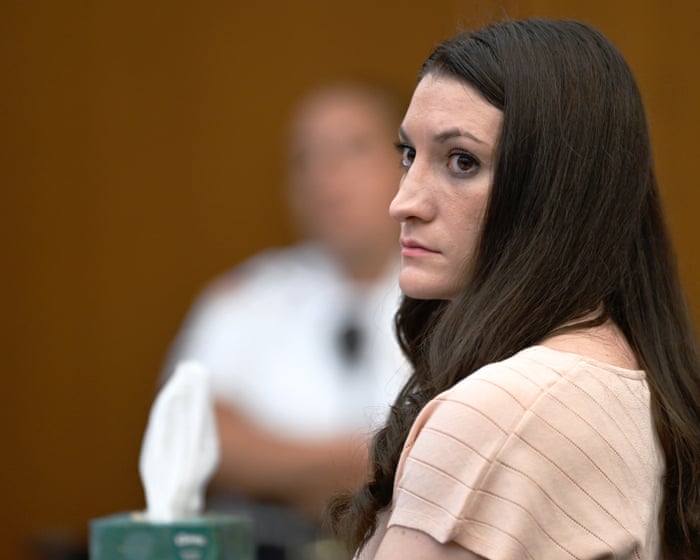
In the ongoing US trial of Lindsay Clancy, 36, accused of strangling her three children, prosecutors this week focused on internet searches found on the family computer and her phone in the months before the killings. These included searches for suicide methods, psychiatric medications, detox programs, mania, ketamine therapy, and concerns about a psychiatrist overprescribing drugs. Four days before the killings, she reportedly searched whether sociopathy can be treated.
Prosecutors read from notes Clancy wrote expressing a desire to feel love and connection with her children, and a later note stating that medication had "stolen" her motherhood and life. On the day of the killings, Clancy took her older children out to build a snowman and texted her ex-husband Patrick about ordering takeout from a local restaurant. Prosecutors allege that soon afterward she strangled the children with exercise bands, arguing that sending her husband out for food and medicine that evening points to planning, though they are not legally required to prove motive.
Clancy's defense and some experts counter that she suffered from undiagnosed bipolar disorder and postpartum depression, and may have been overmedicated by multiple healthcare providers who failed to coordinate her care. Former prosecutor Margaret McLean said the state's theory portrays Clancy as a controlling mother who lost control and killed her children but was too "cowardly" to kill herself. Clancy reportedly never told doctors she was hearing voices urging her to harm her children, though she had described intrusive thoughts and hopelessness to a nurse practitioner beforehand.
Perinatal forensic psychologist Gina Wong said the case has exposed gaps in maternal mental health care and noted that psychosis is not always outwardly visible — a person can appear organized while experiencing severely distorted beliefs. The trial is set to continue next week.