Columbia scientists discover surprising link between serotonin and heart valve disease
Researchers found that reduced activity of the serotonin transporter, influenced by a genetic variant and certain antidepressants, may accelerate mitral valve damage in patients with degenerative mitral regurgitation.
Study reveals connection between serotonin and mitral valve disease
Scientists at Columbia University's Department of Surgery, in collaboration with multiple centers, published a study in Science Translational Medicine (2023) uncovering a previously unknown link between serotonin signaling and mitral valve degeneration. Serotonin is usually associated with mood, sleep, and digestion, but now appears to affect heart valves.
Mitral valve role and DMR
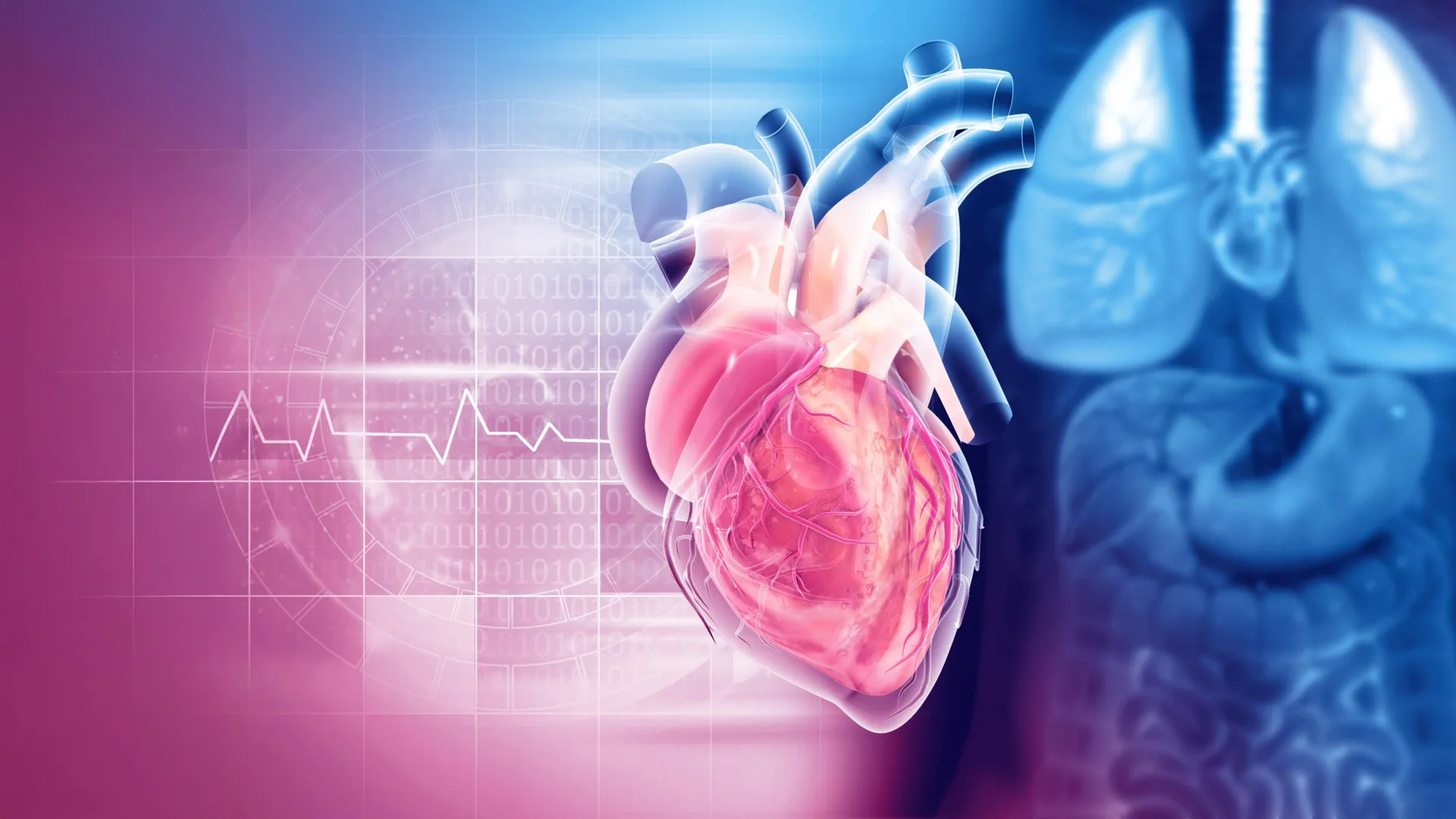
The mitral valve sits between the left atrium and left ventricle, closing firmly with each heartbeat to prevent backflow. Degenerative mitral regurgitation (DMR) is a common valve disease where tissue degenerates, causing leakage. As it progresses, fatigue and shortness of breath can develop, leading to atrial fibrillation and heart failure. Medications ease symptoms but don't stop degeneration; severe cases require surgery.
Serotonin transporter and SSRIs
The serotonin transporter (SERT) ends serotonin signaling by reuptake. Selective serotonin reuptake inhibitors (SSRIs) reduce SERT activity, increasing serotonin levels. Researchers investigated whether this could affect already damaged heart valves.
Patient and animal findings
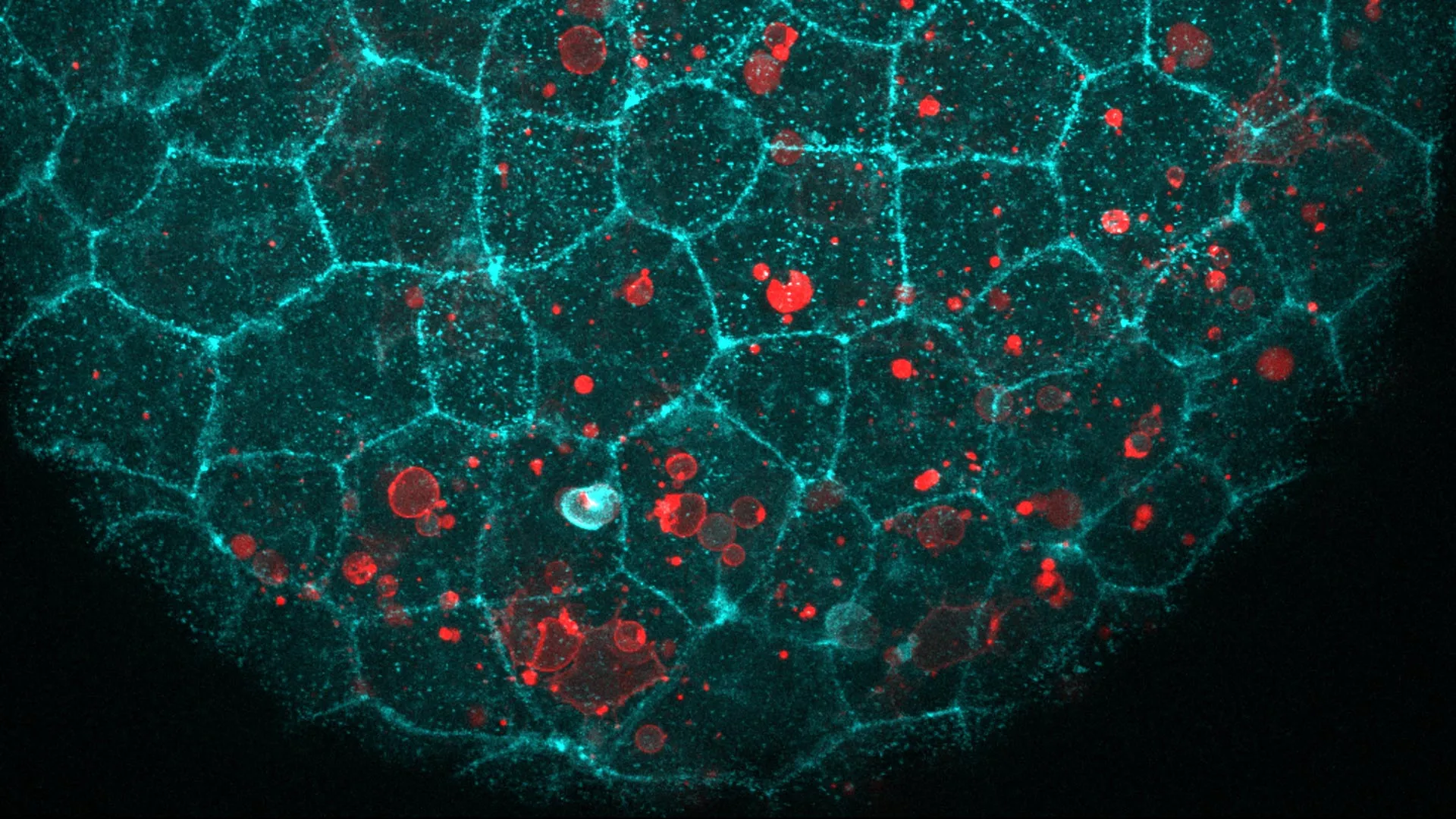
The team reviewed data from over 9,000 patients who had mitral valve surgery and 100 valve biopsies. They found that SSRI users required surgery at a younger age. Although only an association, experiments in mice lacking the SERT gene or given high SSRI doses developed thickened mitral valves, supporting a biological mechanism.
Genetic variant 5-HTTLPR
Researchers identified a 'long-long' variant of the gene region 5-HTTLPR linked to lower SERT activity. DMR patients with this variant underwent surgery more often. Lab experiments showed cells with this variant produced more collagen, making valves thicker and stiffer, and were more sensitive to fluoxetine.
Potential clinical implications
The researchers suggest that DMR patients could be tested for low SERT activity using a DNA test from blood or mouth swab to identify those needing earlier surgery. However, this is not yet standard care, and clinical studies are needed. Importantly, the findings do not indicate harm to healthy valves or justify stopping antidepressants without medical advice.
Later studies
A 2024 study in mice found that deficient SERT activity increased fibrotic changes in heart valves. A 2025 study in 76 people showed higher serotonin levels in those with severe aortic stenosis. A 2026 study suggested the HTR2B receptor as a potential drug target, but it is not yet an approved treatment.