Ebola outbreak spreads in eastern Congo as UN warns spread is outpacing response
A rare Bundibugyo strain of Ebola is spreading in eastern DR Congo, with more than 5,000 deaths so far. An aid worker who lived through the west African epidemic points to aid cuts and the role of local faith leaders.
A rare Bundibugyo strain of the Ebola virus is spreading in the east of the Democratic Republic of the Congo (DR Congo), and has already killed more than 5,000 people. It is the country's 17th Ebola outbreak and its worst so far. The United Nations (UN) warns that the disease is spreading faster than the response, and the outbreak is widely expected to become the worst in the history of Ebola. There is no proven vaccine or treatment for this variant, and almost 50% of those infected have died.
The opinion piece was published in The Guardian by Kayode Akintola, who was country director in Sierra Leone and Liberia for the Catholic charity Cafod during the west African epidemic.
Parallels with west Africa
Akintola writes that the crisis in DR Congo follows a familiar pattern. The disease was recognised late, partly because the area is scarred by conflict, which speeds its spread and breeds suspicion, even violence, towards responders. Clinics and burial teams have been attacked, and victims are often feared and shunned by relatives and neighbours.
The 2013–2016 outbreak in west Africa caused 28,600 cases and 11,300 deaths, and infected people had nearly a 40% chance of dying. At the time, people did not know how to handle an unfamiliar disease. Touching a victim's body creates a risk of infection, but anonymous burial teams in protective suits who took the dead to unknown places made matters worse. Families kept the sick at home and buried them in secret.
What worked
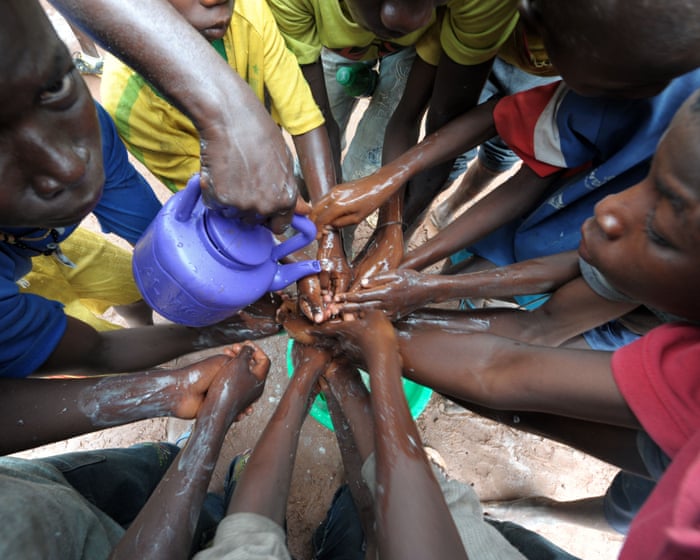
Old burial customs had to change, yet people did not heed instructions from distant officials. Members of their own communities changed minds: priests, imams and traditional healers, who sought out verses in the Bible and the Qur'an to persuade people to alter their habits. The author says they played a crucial role in bringing the outbreak under control.
The funding gap
Akintola sees the main reason for the current surge in the sharp cut in aid compared with the previous decade. The funding gap is widening. The UN warns that ending the outbreak could take up to 12 months, if the money is there. The author concludes that tackling Ebola is not just a medical problem, and that faith-based organisations have a role to play.