Copenhagen's Culinary Journey: From Noma to Modern Food Culture
The article explores Copenhagen's food scene evolution from 1970s canned goods to the New Nordic Kitchen movement, inspired by Noma and its manifesto, and offers travel tips.
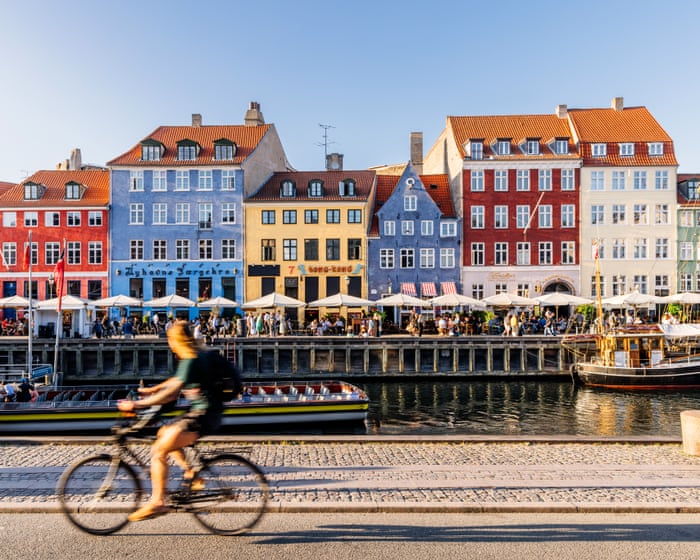
Copenhagen, Denmark's capital, has become a global culinary leader through its focus on seasonal, local, and organic produce. The city's food journey began with the simple cuisine of the 1970s and 80s, characterized by canned foods, frozen vegetables, pork, and potatoes. A turning point came in 1996 when Copenhagen became the European Capital of Culture. Soon after, in 2003, the restaurant Noma was founded by chefs René Redzepi and Claus Meyer. Noma rejected Mediterranean influences and focused on local ingredients such as cabbage, berries, and rye. In 2004, they formulated the New Nordic Kitchen manifesto, emphasizing purity, freshness, simplicity, and ethics. This influenced chefs worldwide and helped the city earn 30 Michelin stars. However, Redzepi admitted to being a bully in 2015 and resigned this March amid allegations of physical and verbal abuse. Despite this, Noma alumni now run many restaurants like Propaganda, Kødbyens Fiskebar, and Bæst. Today, Copenhagen's dining scene is refined but expensive; bakeries offer affordable options. The city is relaxed, bike-friendly, and human-scaled. Travelers can enjoy activities such as swimming in harbor pools, foraging at Amager beach, vintage shopping, and visiting Tivoli Gardens. Art enthusiasts can visit Arken and Cisternerne museums, as well as the coastal train route to Louisiana Museum or Helsingør.