Kremlin Ties Peace in Ukraine to Demand That NATO Pull Back to 1997 Borders
According to Latvian military officer Jānis Slaidiņš, Russia's conditions for ending the war point to goals far broader than controlling Ukrainian territory. The demand would strip 16 countries of NATO membership.
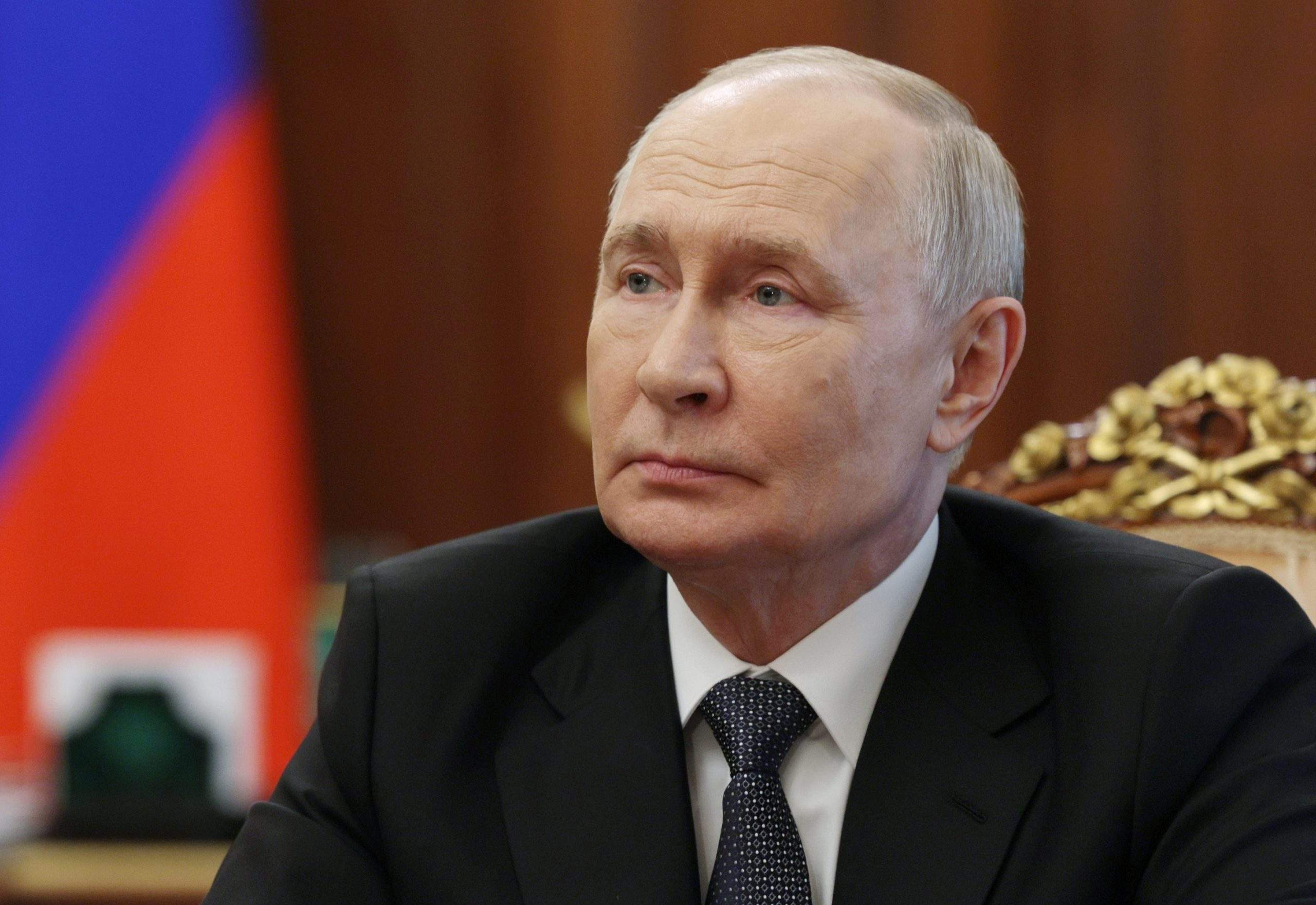
Russia's conditions for ending the war in Ukraine suggest that the Kremlin's aims go well beyond gaining control of Ukrainian territory. Moscow wants the North Atlantic Treaty Organization (NATO), the military alliance, to retreat to its 1997 borders. That would mean 16 countries that joined the alliance after that year would lose their membership status. Jānis Slaidiņš, a major in Latvia's National Armed Forces and a staff officer of the National Guard headquarters, said this on 5 November on the TV24 programme "Aktuālais par karadarbību Ukrainā".
How the demand ties into peace talks
Slaidiņš explained that the Kremlin is increasingly linking the conditions for peace talks with demands to limit NATO enlargement and reduce the alliance's presence in Europe. He recalled that the demand is not new: Russian President Vladimir Putin voiced similar ideas as early as 2007 at the Munich Security Conference. There he criticised NATO's eastward expansion and US influence in world politics, and argued for a multipolar world.
According to Slaidiņš, Putin stressed in that speech that the use of force is legitimate only if sanctioned by the UN. Slaidiņš noted that Russia's actions in Ukraine clearly do not follow this principle. He also stressed that NATO has never committed to not expanding, yet Putin still relies on claims about supposed Western promises that were later broken. In Slaidiņš's view, this is part of the Kremlin's long-running effort to create the impression that Russia's security is under threat.
Broader strategic goals
Slaidiņš believes there is no reason to think the war would end simply because Russia gains control of all of Donbas or of the territories it has written into its constitution, including the Kherson and Zaporizhzhia regions. In his view, one of the Kremlin's key aims is to weaken and split NATO.
Ukraine is currently limiting Moscow's ability to pursue wider military plans, so its fight gives Europe time to strengthen its defences. He also noted that Russia may hope for a shift in political forces in European countries, which would create more favourable conditions for it in the future.
If the demand for NATO to withdraw to its 1997 borders is put forward as a genuine precondition for peace, reaching an agreement becomes extremely difficult, Slaidiņš assessed. He thinks Russia may hope to wait it out until the international situation turns in its favour.