Russia strips German retailer Metro of control over its local business
Metro AG has lost operational control of its Russian subsidiary after President Vladimir Putin signed a decree placing it under temporary administration. The move follows an escalating diplomatic rift between Berlin and Moscow.
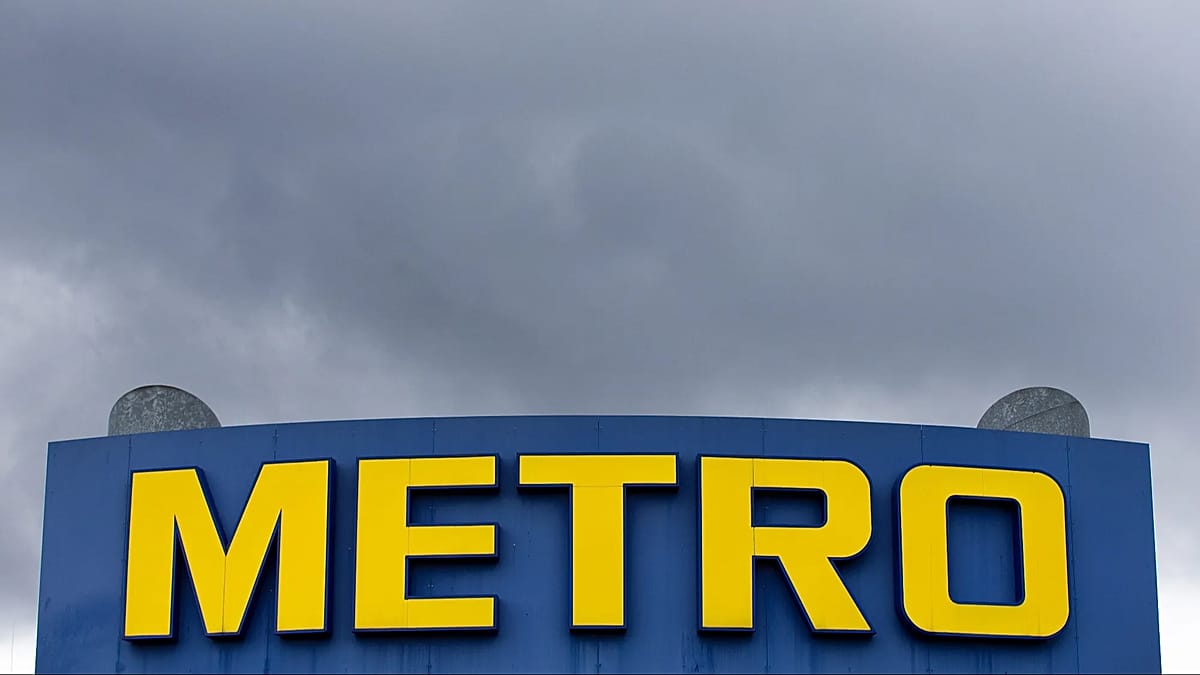
German wholesale and retail group Metro AG lost operational control of its Russian subsidiary on Monday after Russian President Vladimir Putin signed a decree imposing temporary administration on the business. According to an order published on a Russian government website, Metro Cash and Carry's Russian operations will be managed temporarily by UK Torg RUS. No reason was given for the decision.
Similar measures have previously targeted the Russian businesses of food company Nestlé and French retailer Auchan, under a 2023 decree covering companies linked to "unfriendly countries." Temporary administration has in the past resulted in local owners acquiring the Russian operations of French dairy firm Danone and Danish brewer Carlsberg at reduced prices.
Metro said it remains the formal owner of its Russian subsidiary but no longer controls its operations, and that it is reviewing the consequences of the decree. The company noted that Torg RUS is owned by Johannes Tholey, chief executive of Metro Russia. Metro added that it had been gradually scaling back ties to its Russian business since Russia's invasion of Ukraine in 2022.
Metro has operated in the Russian market since 2001, running 91 wholesale stores and employing around 9,000 people there. Russia remains a significant market for the group: in the first nine months of the 2025/26 financial year, sales in Russia rose 10.3% in euro terms to €2.14 billion, representing about 8.7% of Metro AG's total group sales.
Escalating Germany-Russia tensions
The decision comes amid a deepening diplomatic dispute between Berlin and Moscow. Germany has concluded that Russia was behind an attempted drone attack on Leipzig airport and has closed a Russian consulate in Bonn along with a Russian cultural centre in Berlin. Russia responded by closing the German consulate in St Petersburg and denying the allegations.
Russian Foreign Minister Sergey Lavrov met his German counterpart Johann Wadephul on Saturday on the sidelines of the UN General Assembly, afterward dismissing the exchange as merely a restatement of Germany's public position. Wadephul said the meeting was necessary to raise security concerns directly, adding that Germany's support for Ukraine remains unchanged. Stefan Meister, a Russia expert at the German Council on Foreign Relations, said Moscow is using such steps to pressure Berlin as part of a hybrid war, signalling that German companies and assets in Russia remain at risk.