Russia restricts foreign SIM cards: blocks censorship circumvention and Ukrainian drone navigation
Russian authorities have severely limited the operation of foreign SIM cards, introducing strict data filtering that affects both internet censorship circumvention and navigation of Ukrainian drones.
Russia has significantly restricted the use of foreign SIM cards on its territory, making it impossible to bypass Russian internet censorship as before. Since the beginning of July, all international roaming traffic has been filtered according to uniform rules applied by local operators.
According to the Russian propaganda outlet Izvestia, citing representatives of the telecom industry and the Ministry of Digital Development, access to the internet via foreign SIM cards is now fully controlled by Russian special services. The ministry confirmed that all roaming traffic is subject to general filtering and blocking requirements.
Filtering uses DPI (Deep Packet Inspection) technology, which identifies blocked services by indirect signs – connection signatures, access time, and data volume – and restricts access to them. According to sources, there are about 2 million foreign SIM cards in Russia, of which approximately 500,000 are used for constant internet access. Problems with these cards began about a week and a half ago.
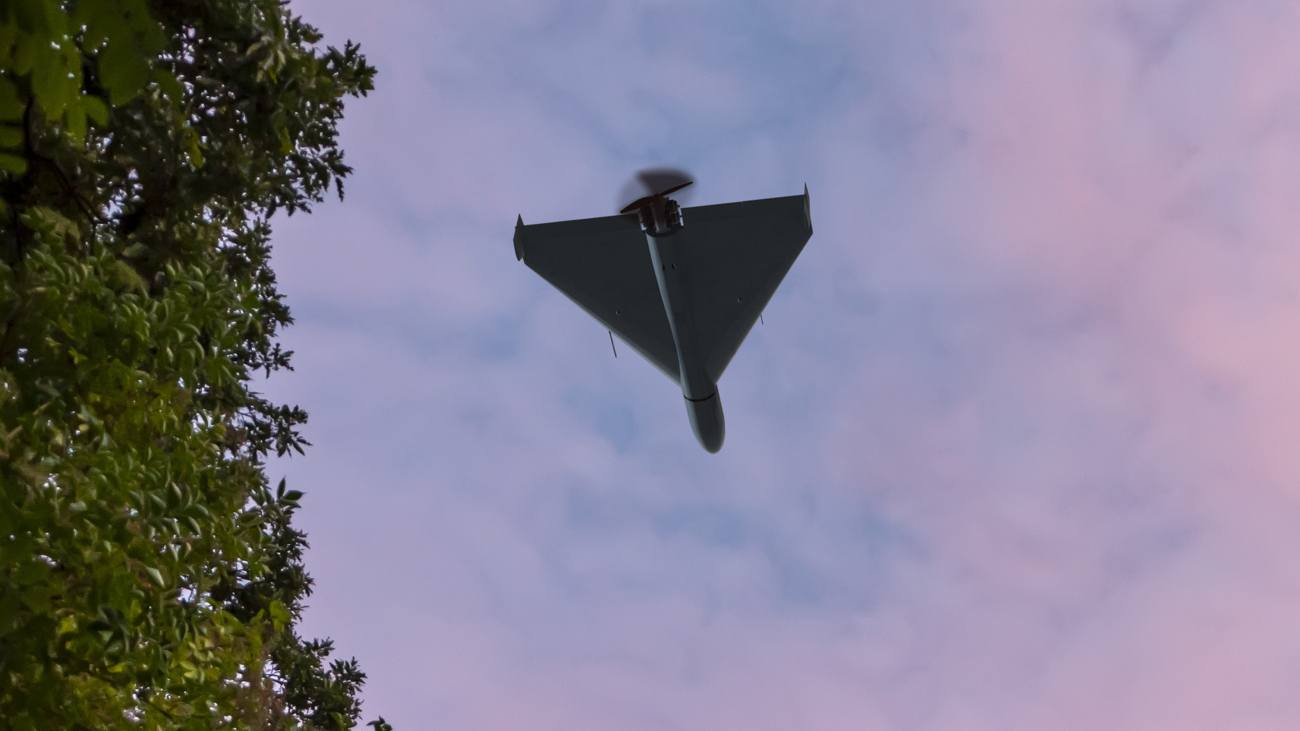
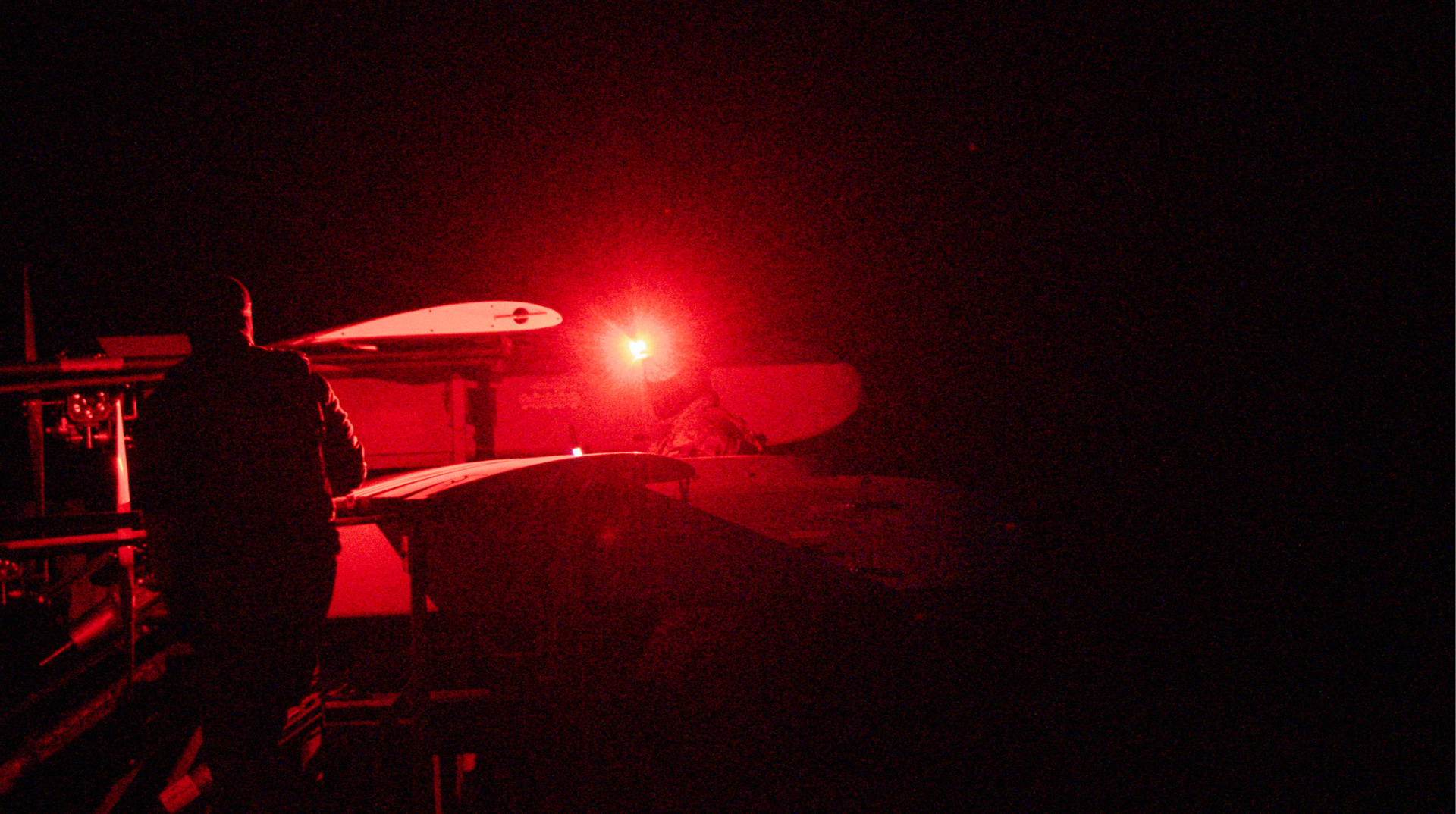
These measures have a direct military implication. Russia's Ministry of Digital Development previously stated that the restrictions are needed to combat the use of these cards in Ukrainian drones. Russian officials have repeatedly claimed that Ukrainian defense forces, during attacks deep into Russian territory, use mobile networks and SIM cards, including foreign ones, to adjust drone flight routes in real time, collect telemetry, and transmit video.
Earlier, Russian dictator Vladimir Putin ordered the FSB to organize internet access via a "white list" system. This effectively transforms the Russian network into a closed, isolated space similar to North Korea. In April, Ukrainian President Volodymyr Zelensky stated that the Kremlin is preemptively restricting access to alternative information sources to prevent massive protests in case of large-scale mobilization.
On July 10, a massive mobile internet shutdown occurred in St. Petersburg and the Leningrad region, switching users to only approved "white list" websites. Russian authorities justified the harsh censorship by the threat of drone attacks. Analysts from the Institute for the Study of War (ISW) emphasize that the Kremlin is deliberately using the topic of Ukrainian drone strikes as a convenient cover for the rapid construction of a "digital gulag."