Russia limits gasoline sales in Tatarstan, Moscow, and St. Petersburg
Following Ukrainian strikes on oil refineries in Tatarstan, Russia has introduced fuel purchase limits at gas stations in several regions, including Moscow and St. Petersburg.
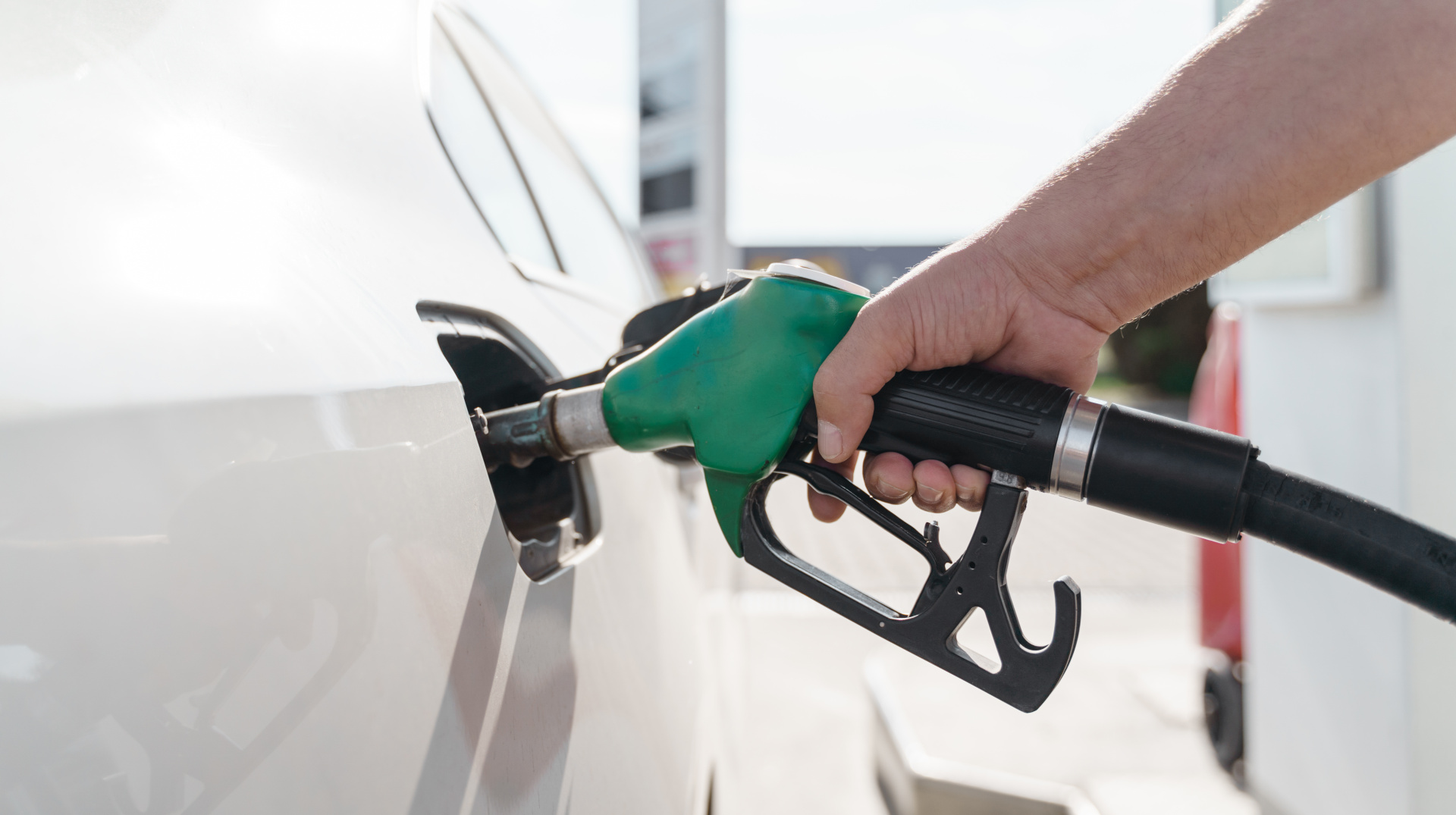
The Russian republic of Tatarstan, the country's second-largest oil-producing region, has imposed limits on gasoline sales at some gas stations. Major gas station chains in Moscow and St. Petersburg have also begun restricting fuel sales.
The government of Tatarstan said the restrictions were introduced "to avoid artificial panic" and "ensure a stable situation." Tatarstan ranks second in Russia in oil production (after the Khanty-Mansi Autonomous Okrug) and is among the top five regions in refining capacity. Several large oil refineries are located in the republic.
On June 12, the Armed Forces of Ukraine announced a successful strike on the TANECO and TAIF-NK oil refineries in Nizhnekamsk, Tatarstan. That same day, Russian media reported that major gas station chains in Moscow began limiting fuel sales.
According to Ksenia Sobchak's Telegram channel "Ostorozhno, Media," at Tatneft stations in Moscow, the limit is 20 liters for AI-92 and AI-95 gasoline and 40 liters for diesel. Staff said the limit was introduced on June 12. Similar restrictions were imposed at Tatneft stations in St. Petersburg.
At Rosneft stations in Moscow, the overall limit is 90 liters per tank or canister. Lukoil stations sell no more than 100 liters of gasoline or diesel per receipt.
On June 2, the ORTK network, which operates mainly in the Moscow region and New Moscow, introduced fuel sales restrictions. At that time, Rosneft and Tatneft said there was no general limit but that restrictions could be introduced at individual stations. Lukoil reported a 100-liter limit on gasoline, with no limit on diesel at the time.
Ukrainian forces strike Russian oil industry facilities almost daily. Residents of Belgorod, Ryazan, Krasnodar regions, and many other parts of Russia have previously complained about gasoline and diesel shortages. The most difficult situation is in occupied Crimea, where fuel supplies are complicated by Ukrainian drone attacks on the road connecting the peninsula to Russia's Rostov region.