Russia squeezes independent gas stations out of its fuel market
Unable to boost overall fuel output, Russia is channeling available supply toward state-linked major oil companies, pushing independent gas station operators out of the market.
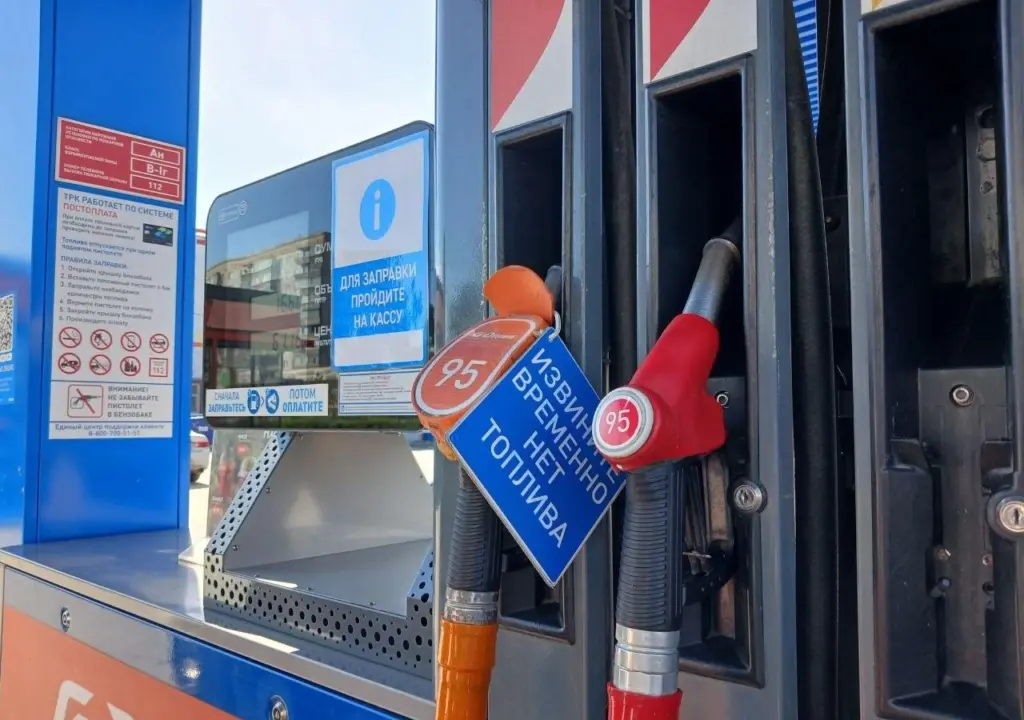
Russia's fuel market is undergoing a structural shift driven by the country's inability to increase overall fuel production. Rather than expanding supply for all market participants, the available fuel is increasingly being directed toward large, state-linked oil companies.
This dynamic is putting pressure on smaller, independent gas station networks, which are finding it harder to secure reliable supply and compete against state-backed players. As a result, the market structure is shifting toward dominance by major, state-connected companies, while independent operators are gradually being squeezed out of the sector.
Production limits as the driving factor
Russia's current fuel production capacity is insufficient to meet the needs of all market participants. This constraint means that available fuel is being allocated selectively, with preference given to large, state-controlled players rather than being distributed through open market mechanisms.
Over time, this reallocation could reduce competition in fuel retail, as independent businesses lose access to the resources needed to continue operating. The trend reflects a broader pattern in which the state's role in Russia's energy sector is expanding at the expense of private and independent companies.