Russia's fuel crisis deepens: prices rising, rationing in 59 regions, and now motor oil shortages too
Russia is facing its second fuel crisis of the summer, with gasoline and diesel prices climbing, strict sales limits in at least 59 regions, and now emerging motor oil shortages. Ukrainian drone strikes on refineries are worsening the situation.
Russia's state statistics agency Rosstat reports that gasoline prices rose in 40 regions between August 11 and 17, with the steepest increase, 8.1%, in Krasnoyarsk Krai. Prices fell in 20 other regions, most sharply in Tyva, down 3.6%. Since the start of the year through July 12, average prices for AI-92 and AI-95 gasoline climbed 7.4%, while diesel rose 12.1%, according to data from Russia's Central Dispatching Department of the Fuel and Energy Complex, cited by Kommersant.
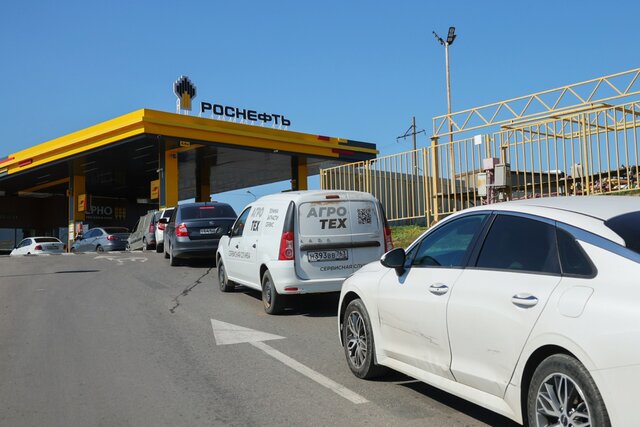
The issue isn't just cost but availability. Several gas station chains in Moscow and St. Petersburg have reintroduced purchase limits: Tatneft is capping sales at 50 liters of gasoline and 60 liters of diesel per customer, while Gazprom Neft has set a 60-liter ceiling on gasoline with no cap on diesel. Lines formed at Moscow stations over the weekend, with some residents waking at 5 a.m. to beat the queues, according to the government paper Rossiyskaya Gazeta.
Rationing spreads
As of August 20, at least 59 regions had strict fuel sales limits in place, per tracking portal BenZinMap, with another 17 regions seeing localized disruptions or sharp price hikes. Gasoline and diesel were available at just 28% of Russian gas stations as of August 16, according to the GdeBenz app. Complaints of shortages are most frequent in Siberia — in the Bodaibo district of Irkutsk region, supplies could run out within a month with no new deliveries expected. Shortages have also hit Krasnodar Krai, plus the Tambov and Astrakhan regions.
In July, Russia began importing fuel, including from India and Morocco. On August 20, the St. Petersburg International Mercantile Exchange held its first sale of imported gasoline, priced at 80 rubles a liter, versus an average of 54 rubles for domestic fuel.
Motor oil now affected too
The latest wave of the crisis has also disrupted motor oil supplies. While no outright shortage exists yet, some product lines have vanished from shelves, delivery times have stretched, and prices in some segments have jumped by 40%, affecting both imported and Russian-made oils. The cause is twofold: refinery shutdowns following drone strikes, and a shortage of imported additives needed for production.
Ukraine resumed strikes on Russian refineries in late July after a pause. Over the past month, at least three refineries have suspended operations — in Tyumen, Ryazan, and Orsk, where repairs could take up to six months. Drone strikes have also been reported in recent weeks at refineries in Volgograd, Saratov, Yaroslavl, Nizhnekamsk, the Samara region, Krasnodar Krai, and Bashkortostan, often sparking fires.