Russia's bank branch network shrinks sharply as cash withdrawals surge
Russia has closed 1,370 bank branches since the start of the year while residents and businesses increasingly move funds into cash or abroad, Ukraine's intelligence service reports.
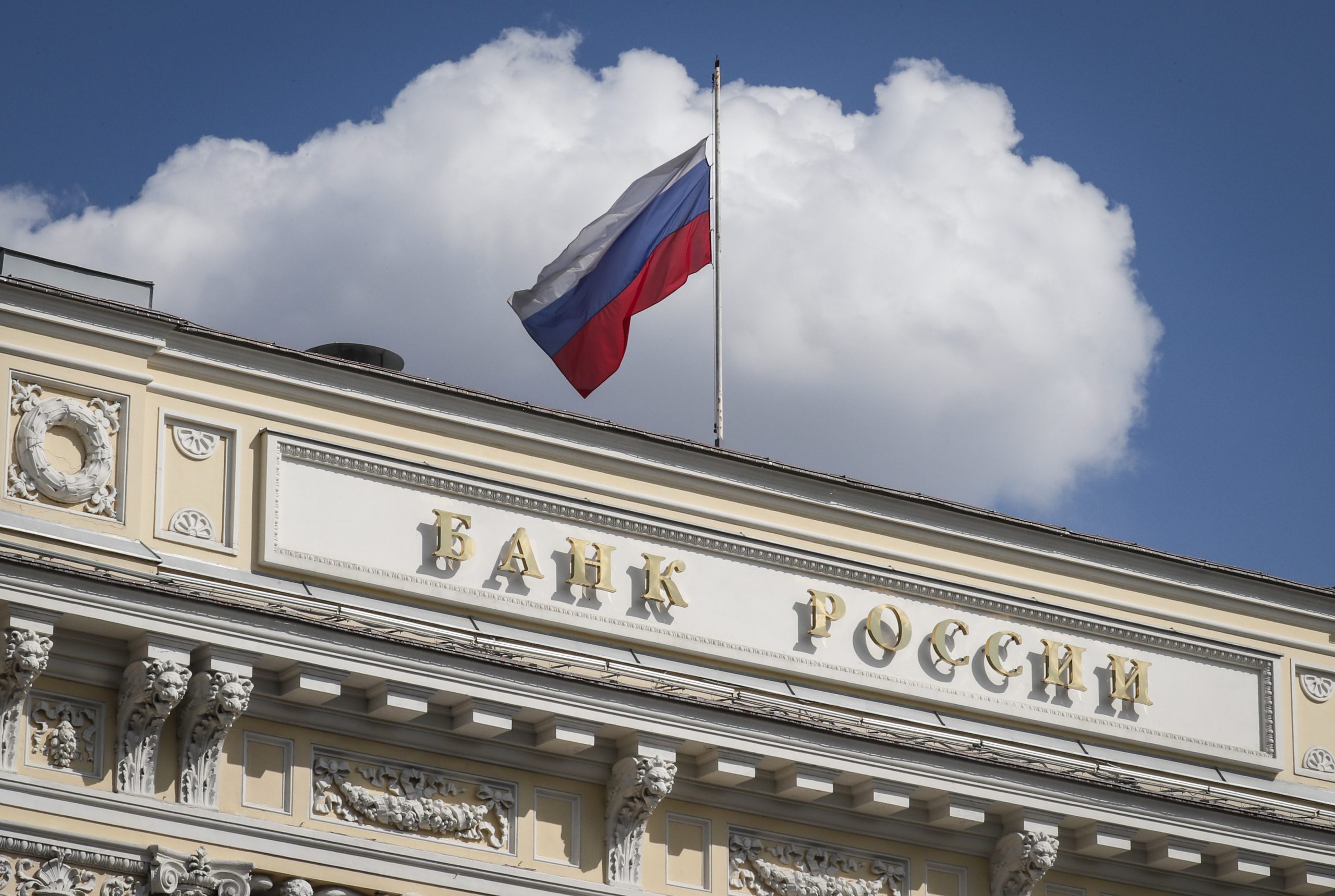
Ukraine's Foreign Intelligence Service reported on August 26 that a growing number of trends point to declining trust in Russia's financial system. Since the start of the year, Russia has closed 1,370 bank branches, and at the current pace the total could exceed two thousand by year's end. On average, the banking network is shrinking by nearly 196 branches a month — roughly twice as fast as last year.
Sberbank, Russia's largest bank, has closed the most branches — about 540, or nearly 40% of the total reduction. The bank attributes this mainly to a shift toward digital services and cost-cutting, but for customers it means fewer physical locations where they can withdraw cash or conduct transactions without online banking.
Residents pulling out cash
According to Russia's Central Bank, around 2.4 trillion rubles have been withdrawn in cash from the banking system since the start of the year. In July alone, withdrawals reached about 643 billion rubles, and in the first half of August, a further 300 billion rubles were withdrawn. Ukraine's intelligence service believes this reflects not only a traditional preference for holding some savings in cash but also growing uncertainty about the economy's future amid the war, sanctions and increased state intervention. There are also concerns that the state could tap into citizens' savings to fund the war or in the event of a new financial crisis.
Similar behavior has been observed among businesses and figures close to the Kremlin, who are seeking to move part of their capital abroad and shift investments into cryptocurrency, gold, real estate and private investment funds to reduce reliance on Russia's traditional banking system. Ukraine's intelligence service notes that the decline in branch numbers alone does not prove a financial crisis, but combined with rising cash demand and capital flight, it signals growing insecurity in Russia's economy.