Russia's election result may be set in stone, but protest votes still leave a trace
With Russia's election outcome largely predetermined, voters whose preferred candidates are barred from running still have several ways to register protest, Meduza reports. Each method carries different odds of affecting outcomes or simply being noticed.
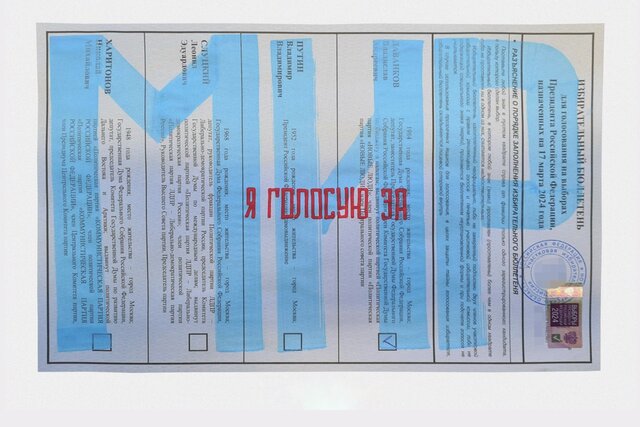
For two decades, Russian voters have had no "against all" option on ballots — it was removed in the summer of 2006. That leaves voters whose preferred candidates were blocked from running to weigh which protest strategy might still matter.
Boycotting
Skipping the vote entirely won't change the outcome. Russia dropped its minimum turnout requirement in 2007, so elections are valid regardless of how many people show up. Without independent polling, observers can't distinguish a deliberate boycott from simple absence, so the protest goes unnoticed.
Voting for another party or candidate
A vote for a party that fails to clear the State Duma's 5% threshold has no effect on seat distribution. In single-member district races, however, which have no runoffs, backing the strongest challenger to a ruling-party candidate can meaningfully reduce that candidate's chances of winning — provided protest votes don't scatter across multiple challengers.
Taking the ballot home or spoiling it
Taking a ballot home as a keepsake doesn't affect results, but commissions must record such cases in their official reports, letting the public later check the "lost ballots" line for discrepancies. Deliberately spoiling a ballot — marking at least two boxes — makes it invalid and doesn't affect outcomes, but a surge in invalid ballots is measurable both locally and nationally, as seen when comparing invalid-ballot shares across the 2011, 2016 and 2021 Duma elections.
Blank ballots and written messages
A blank ballot is technically invalid, but it can easily be altered into a valid one with a single mark, leaving the outcome entirely dependent on election officials' honesty. Writing a message, including anti-war slogans, may or may not invalidate a ballot depending on whether it touches the voting boxes. In 2024, several voters were detained and fined or given administrative detention over such messages, despite formal ballot secrecy.