Russia developing large-scale satellite network — Slaidiņš explains its possible purpose
Latvian National Armed Forces Major Jānis Slaidiņš said on TV24 that Russia's low-orbit satellite network 'Rasvet' could eventually be used for military purposes, including drone and missile control in the war in Ukraine.
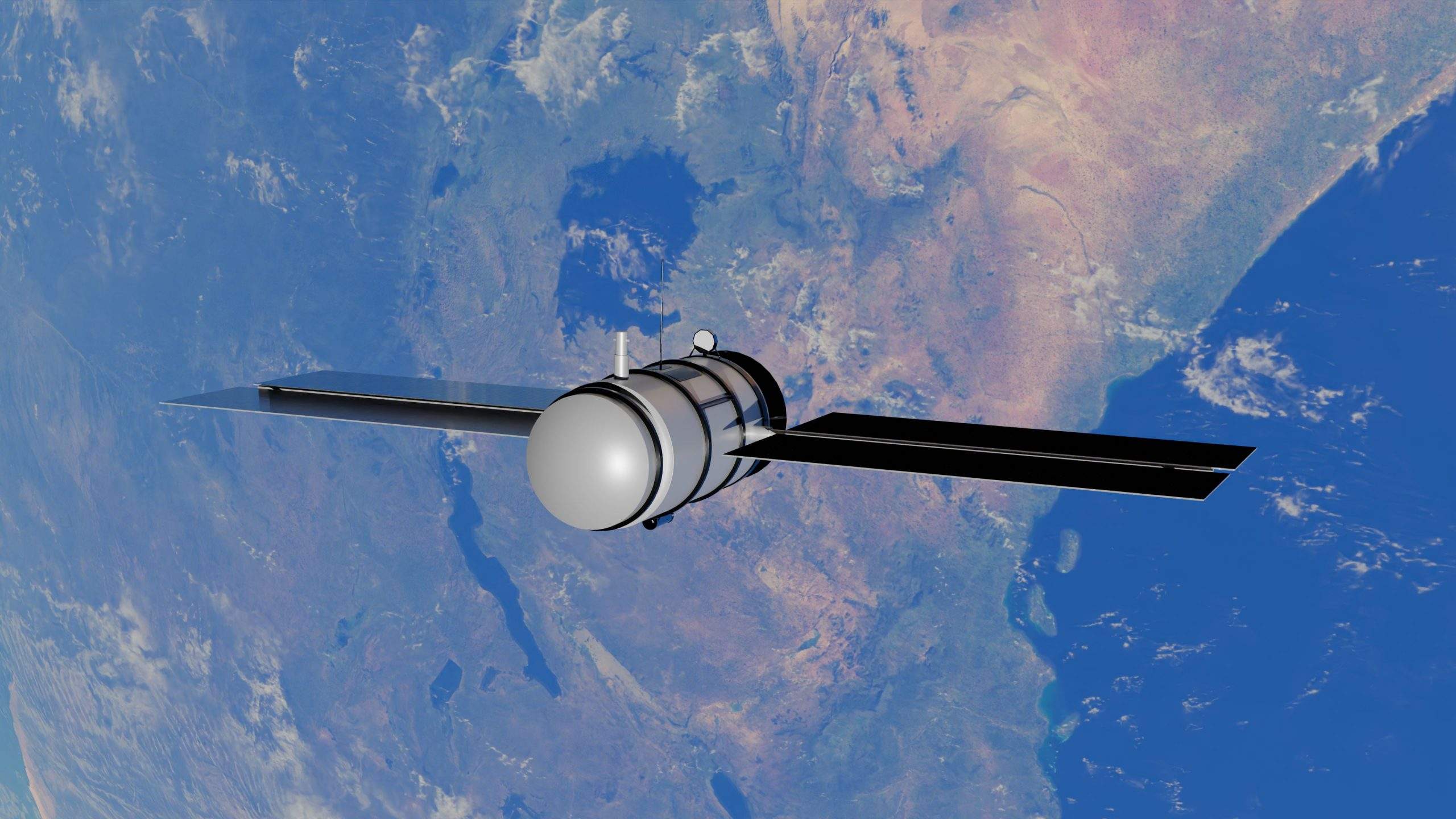
Latvian National Armed Forces Major and National Guard staff officer Jānis Slaidiņš discussed on TV24's program "Aktuālais par karadarbību Ukrainā" Russia's plans to build a new low Earth orbit satellite system called "Rasvet" and its potential impact on the war in Ukraine.
According to Slaidiņš, Russia already launched 16 satellites into low Earth orbit in March. The long-term plan envisions a constellation of 292 satellites by 2027, with a further expansion to as many as 924 satellites down the line. Currently the system can only operate intermittently, functioning when a satellite passes over a given territory, but once fully deployed it would work similarly to Starlink, providing continuous communications.
Potential military use
Slaidiņš said Rasvet could offer data transmission speeds of up to one gigabit per second. Although officially positioned as a civilian system, its capabilities could carry significant military relevance — supporting communications with aircraft, ships and military units, as well as controlling drones, missiles and naval drones. This would allow real-time video transmission and the ability to adjust routes and mission tasks mid-flight, even without direct line of sight between a command point and the device.
Slaidiņš emphasized that building such a network would create additional tactical and strategic risks for Ukraine. Russia is simultaneously developing other satellite systems, which he compared to Glonass, Russia's satellite navigation system serving as an alternative to GPS.
Vulnerabilities of the system
Rasvet satellites orbit at an altitude of roughly 800 kilometers, placing them in low orbit compared to geostationary satellites at about 36,000 kilometers. Because of this low altitude, such satellites could theoretically be easier targets for attacks. However, Slaidiņš stressed that such an approach would not be simple and would carry serious risks of its own — destroying satellites would generate space debris, endangering other satellites and raising the risk of a broader conflict in space. Moreover, since it is a networked system, the loss of an individual satellite would not necessarily halt the whole system, as a replacement could be launched relatively quickly.