Russia Loses Access to Argos Satellite Tracking, and a Rescued Seal's Signal Goes Dark
French company CLS halted its Argos satellite tracking services for Russian users on Nov. 1, cutting scientists off from a key wildlife-monitoring tool. The move also ended data from Kroshik, a rescued seal released into Lake Ladoga.
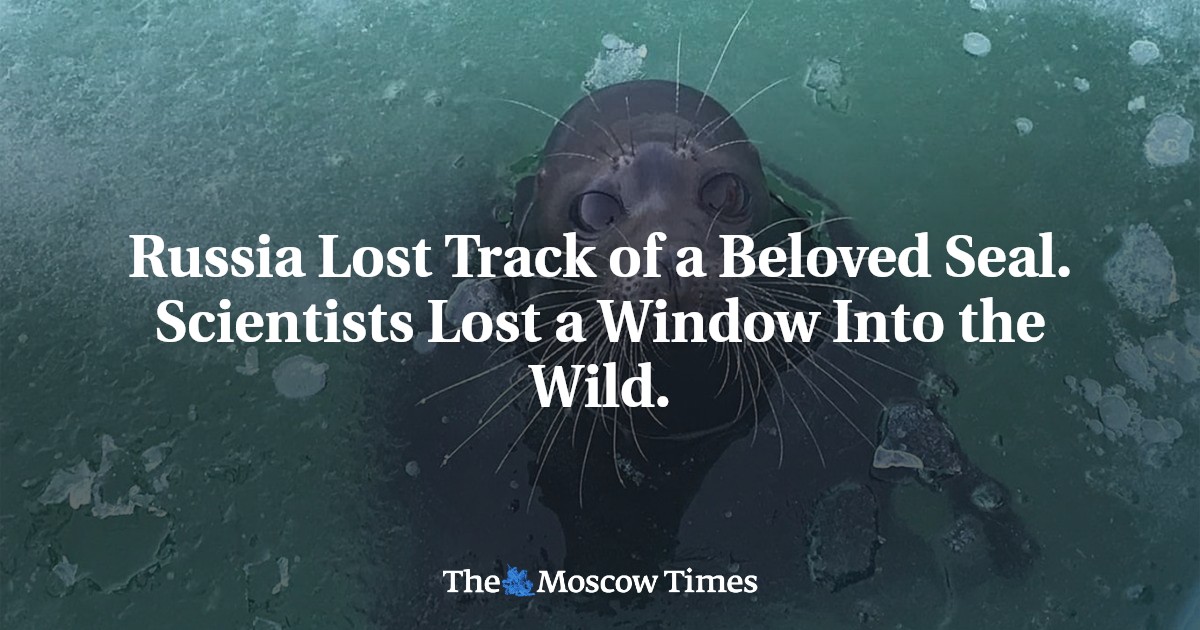
Russian scientists and conservationists have lost access to the Argos satellite tracking system, which they had used for years to follow wildlife. CLS, the French company that operates Argos, halted services for users in Russia on Nov. 1 and blocked them from signing in to its website. As a result, the signal from Kroshik, a seal released into Lake Ladoga in September, has disappeared.
A seal raised by people for a decade
Fishermen found Kroshik on the ice of Lake Ladoga in 2016, when he was an emaciated and frostbitten pup. Rescuers cared for him, and he grew so attached to them that he was returned to the wild only after ten years. A satellite tag on his back let them watch him explore new waters after his release. On Nov. 9, the Baltic Seal Friends Foundation wrote on Telegram that it would no longer be able to learn about his further adventures.
Alexander Salman, whose company spent nearly 25 years developing tracking collars for CLS in Russia, linked the move to sanctions pressure, payment difficulties and operational risks.
What science loses
Argos was used to track tigers, Baikal seals, walruses, whales, Arctic foxes and bison, and to measure ocean temperatures and Arctic ice changes. A conservationist who asked not to be named said a collar can help an animal survive, because poachers and hunters know someone is watching it.
Yekaterina Yegorova, head of the Lake Baikal Foundation, told TASS that scientists will be unable to collect new satellite data on Baikal seal movements. In October, the Agency for Strategic Initiatives and the foundation announced a working group to develop a Russian wildlife tracking satellite system, and Yandex has expressed interest. Salman doubts a reliable system can be built on Russian satellites, and says designing a new collar would take about a year, with field testing taking several more.
On Wednesday, fishermen on Lake Ladoga saw a seal near their boat, and the foundation identified him from video as Kroshik. He looked plump and active.