Russian drones destroy millions of Ukrainian books in deliberate strikes on publishers
Russian drones have destroyed around 13 million Ukrainian books this year, including 8 million at publisher Ranok's warehouse in Kharkiv. Industry figures say strikes on book warehouses are tied to a broader effort to suppress Ukrainian cultural and linguistic identity.
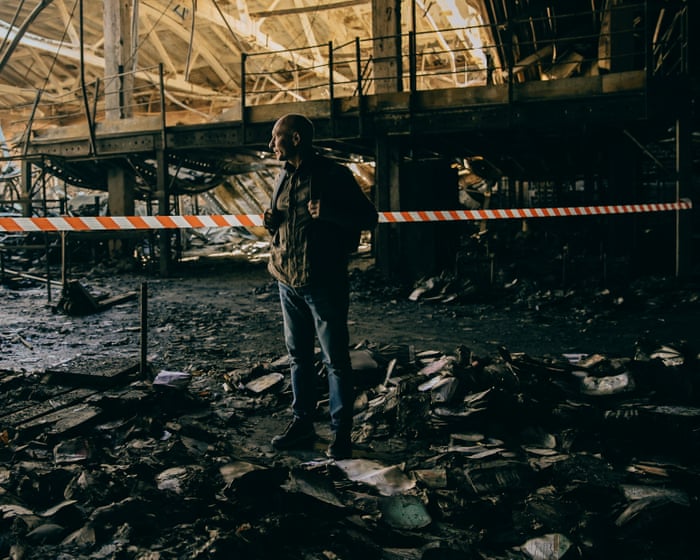
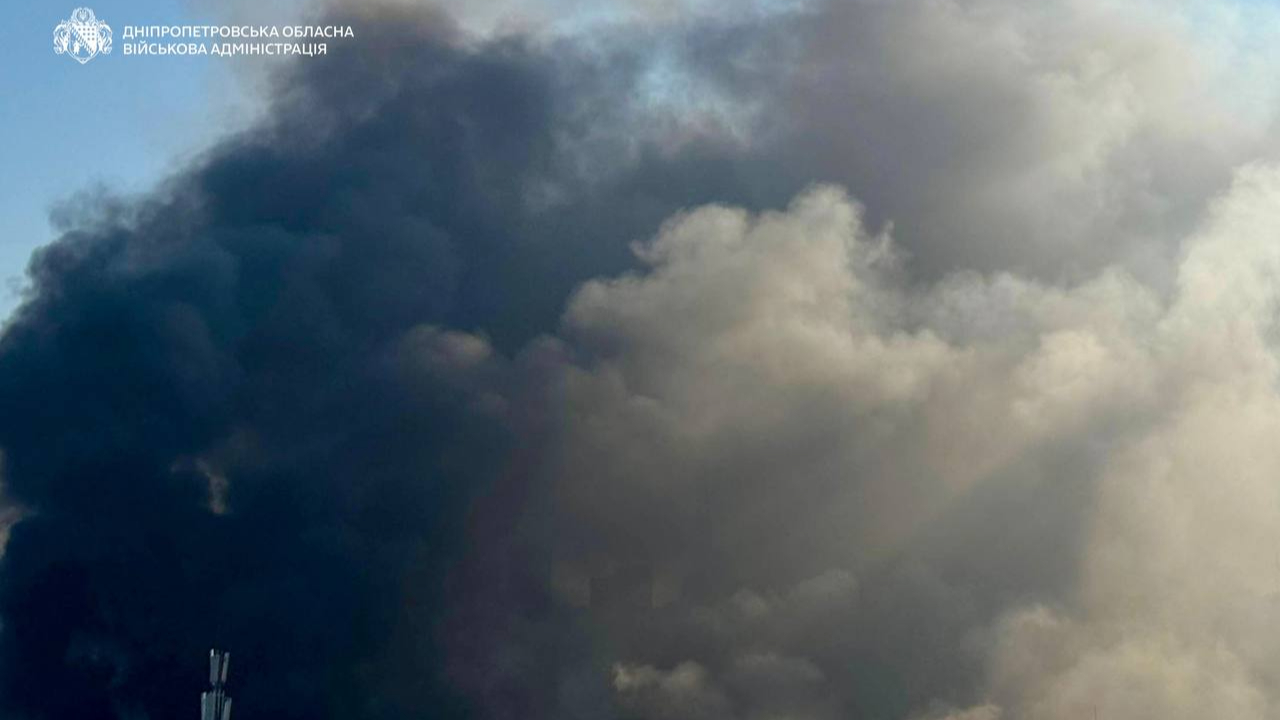
In August, as Ranok publisher chief executive Viktor Kruglov and colleagues met in Kharkiv to plan the coming school year, jet-powered Shahed drones struck the company's warehouse, built on the site of a former bread factory and holding 628,000 new schoolbooks. The resulting fire destroyed eight million books — more than 85% of the company's total stock. It took firefighters a week to extinguish the blaze. Remarkably, none of the 50 staff on shift that day were injured.
Across Ukraine this summer, around 13 million books have been destroyed by Russian missiles and drones — roughly a third of all books printed in the country this year, according to government estimates. Kruglov said he believes his warehouse, far from any military target and widely known as a book depot, was deliberately targeted.
Books as a matter of identity
Deputy culture minister Bohdana Laiuk argues that attacks on book warehouses should be seen as part of a wider Russian campaign against warehouses and distribution centres of all kinds, aimed at stripping Ukrainians of everyday life. She notes that in territories occupied after 2022, Russian forces' first act was often to go to libraries and remove and destroy Ukrainian-language books.
Until 2022, around 70% of Ukraine's book market was Russian-language titles, a dominance rooted in tsarist-era bans on publishing in Ukrainian and Soviet-era promotion of Russian as the language of education and culture. After the full-scale invasion began, Ukrainian booksellers stopped selling Russian imports, and many Ukrainians switched both their everyday language and their reading habits to Ukrainian.
That shift has fuelled an unlikely publishing boom even amid full-scale war. One example is Krapky, a publishing house founded in 2023 by Kateryna and Artem Sova, known for carefully translated and illustrated editions. Their own warehouse on the outskirts of Kyiv was hit by a strike in late August. That emerging boom in Ukrainian publishing is now under threat from the scale and frequency of Russian attacks.
/nginx/o/2026/10/02/17951509t1h5ac4.jpg)