Russian grain flowing through Baltic ports strains Latvia and Lithuania
As Ukraine destroys Russia's grain export infrastructure on the Black and Azov Seas, Moscow is increasingly relying on Baltic ports, sparking a political dispute in Latvia and Lithuania where local farmers say they can no longer sell their own harvest.
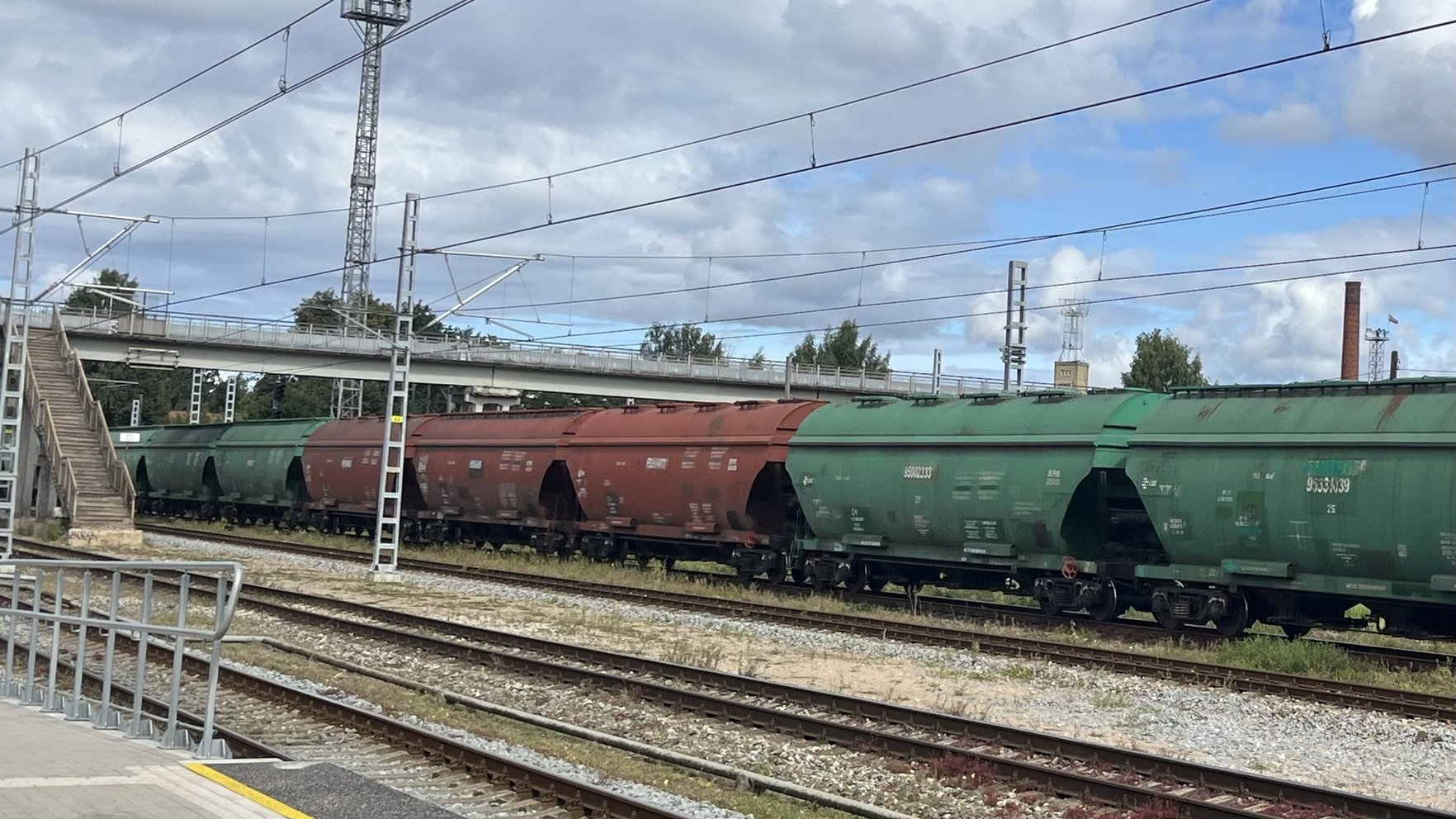
Ukraine has recently been striking Russia's grain export infrastructure on the Black Sea and the Sea of Azov, forcing Moscow to urgently look for alternative routes to move its produce to world markets. One option Russia is increasingly turning to is Baltic Sea ports, including facilities in Latvia and Lithuania.
Over the past few weeks this trend has turned into a serious political issue in both Baltic states. Latvian farmers have voiced frustration, saying local ports are refusing to accept the grain harvest they themselves grew, apparently favoring other, more profitable cargo instead.
Governments respond
The situation has put pressure on authorities in both countries to act. In recent days, Latvia and Lithuania have both begun introducing measures aimed at stabilizing port operations and easing tension between the domestic agricultural sector and port operators.
It remains unclear exactly why demand for Baltic port services for transiting Russian grain has surged so quickly during this period. Also unresolved is the question of what specific restrictions could be introduced to stop local grain producers from being squeezed out of the export chain. It is known that the process of introducing measures has already begun, but the full scope of these steps and their market impact are still becoming clear.
The unfolding events suggest that the war's impact on Ukraine's grain exports is indirectly affecting the neighboring region's economy as well, creating new challenges for the agricultural and port sectors of the Baltic states in the near term.