Russian propagandist admits Ukraine's strength, warns Baltic states of retribution
Russian Z-war correspondent Dmitry Steshin has acknowledged that Ukraine turned out to be one of Russia's most formidable opponents, while also issuing a threat toward the Baltic states. Baltic countries and Poland are stepping up protection of critical infrastructure amid fears of possible Russian provocations.
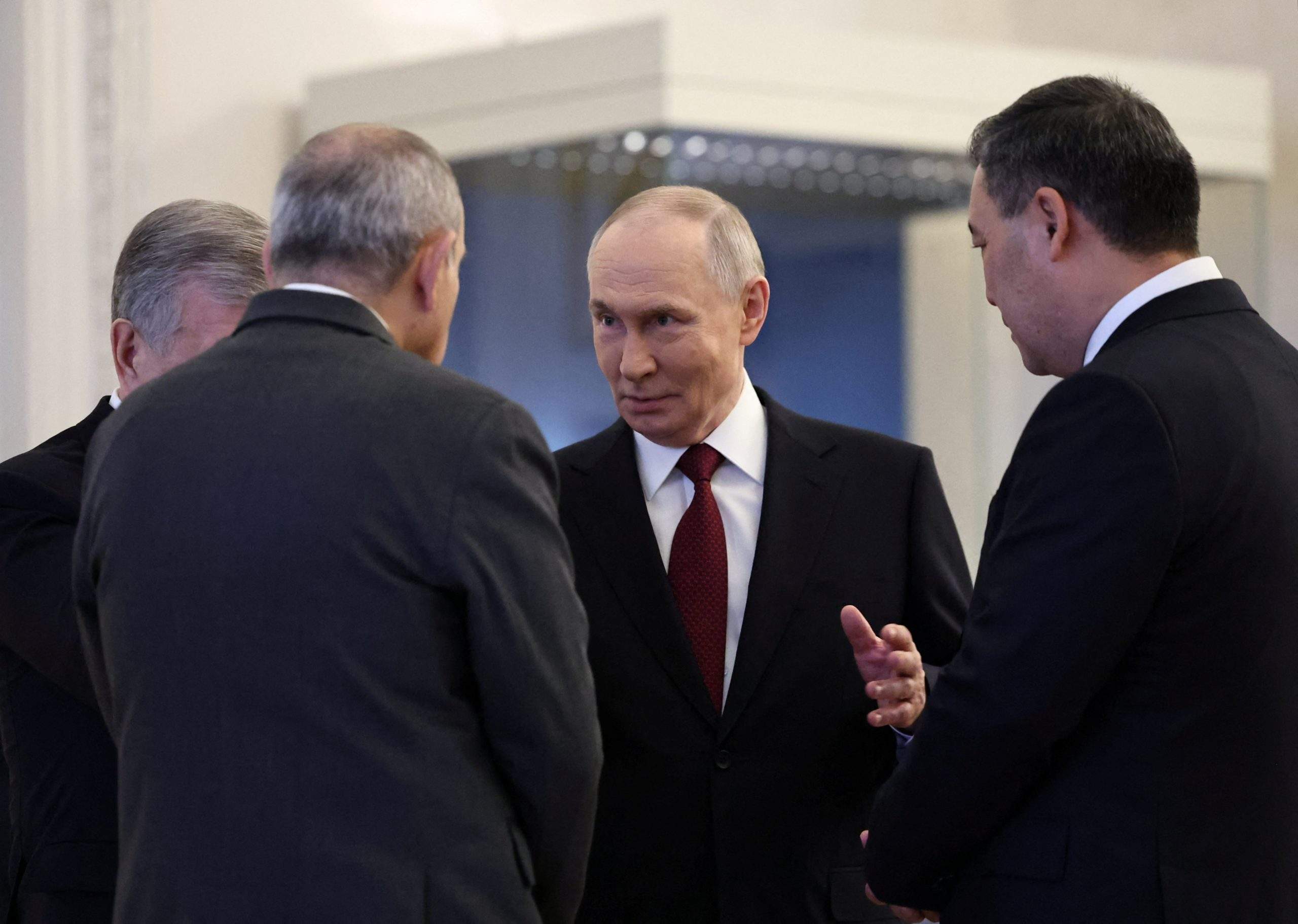
Prominent Russian Z-war correspondent Dmitry Steshin, speaking on the Russian radio station Komsomolskaya Pravda, has admitted that despite its military superiority, Russia has failed to defeat Ukraine. He described Ukraine as one of the toughest opponents Russia has faced, comparing it to Germany during World War II, and noted that the main difference lies in the scale of weaponry rather than the enemy's capability.
The propagandist called the war in Ukraine a grueling ordeal for the Russian army and suggested that instead of ending the war, Russia should seek out a weaker opponent. In this context, he also mentioned the Baltic states, warning that Russia would "remember everyone" who had interfered or issued open threats against it, and that the Baltic states should brace themselves.
Baltic states step up security
The remarks come as Poland and the Baltic states increase protection of critical infrastructure — including dams, power plants and gas pipelines — over concerns about potential Russian provocations. Baltic intelligence services believe Russia's military may be planning a so-called false-flag attack, potentially using drones manufactured in Ukraine, in order to shift blame onto another party.
Lithuania's defense minister, Robertas Kaunas, said the country is closely monitoring intelligence information and reinforcing protection of critical infrastructure. Latvia's Prime Minister Andris Kulbergs likewise acknowledged that the risk of hybrid threats is currently higher than before, prompting Latvia to strengthen its own critical infrastructure security.
US media recently reported that American intelligence agencies also consider it possible that Russian President Vladimir Putin could attempt to test NATO's resolve by carrying out a limited attack on a NATO member state before the war in Ukraine ends — a shift from earlier assessments that Putin would likely avoid provoking any NATO country while the war against Ukraine continues.