Russian regions require employers to hire war veterans, including as teachers and ballet dancers
Regional laws in Russia setting job quotas for veterans of the war in Ukraine are reaching education and cultural institutions, Meduza found. Veterans are being recruited as teachers, school psychologists and even ballet dancers.
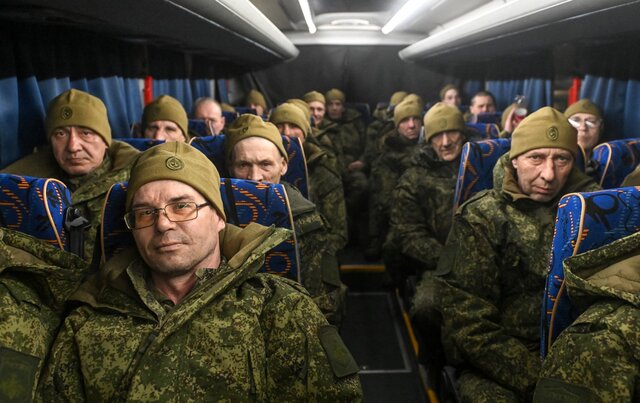
Laws passed in Russian regions that oblige employers to reserve jobs for veterans of the war in Ukraine are now affecting educational and cultural institutions across the country, according to an investigation by Meduza, an independent Russian news outlet. Under the quotas, employers must take on a set share of former soldiers, so schools, kindergartens and theaters are also looking for staff from this group.
Which jobs are on offer
Veterans are being encouraged to apply as elementary school and kindergarten teachers, university and college instructors, and school psychologists. State-funded institutions are also looking for ballet dancers and choir soloists among veterans, with openings at a state theater in Sterlitamak and the Vologda philharmonic. The Veliky Ustyug Museum-Reserve is seeking research fellows under the quota, and the Cherepovets art college is seeking accompanists.
Government recommendations on employing “veterans of the special military operation” prohibit employers from requiring records of injuries or post-traumatic stress disorder (PTSD), and from noting PTSD in personnel files.
Size of the quotas
The requirement to set aside a certain number of jobs for veterans, usually 1%, was introduced in 2026. In April, Novaya Gazeta Europe calculated that a corresponding law was in effect in 39 regions, including occupied Crimea and Sevastopol. Since then, at least 11 more regions, including occupied territories, have announced their own quotas.
The largest share is in Krasnodar Krai, where companies with 100 or more employees must reserve at least 4% of jobs. In the Rostov and Tambov regions and in Yakutia, the quota is 3%.
Earlier measures
Russian authorities have long been concerned with finding jobs for military personnel and helping them return to civilian life. Employers cannot fire veterans while they are serving, and the state subsidizes their hiring. The government procurement portal lists numerous tenders for professional training programs for former service members and their families, including for social media specialists, online marketplace employees, manicurists and hairdressers.