Russian Senators Propose Up to Five Years in Prison for Sharing Images of Ukrainian Strike Aftermath
Russian senators have submitted a bill to the State Duma that would punish illegal distribution of information about the aftermath of Ukrainian strikes with up to five years in prison. Pro-war bloggers have sharply criticized the proposal.
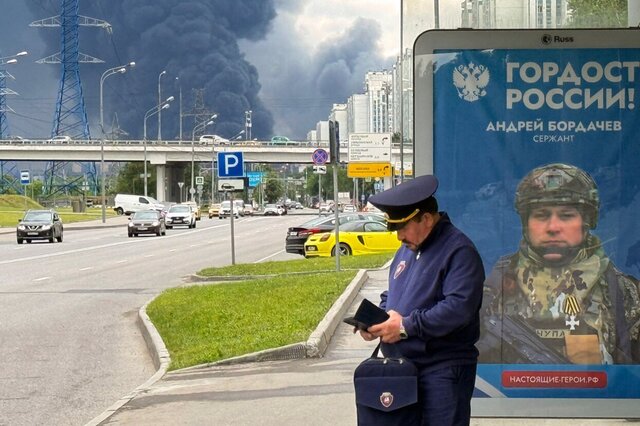
A group of Russian senators yesterday submitted a bill to the State Duma, the lower house of Russia's parliament, that would punish the illegal distribution of information about the aftermath of Ukrainian strikes, terrorist attacks and sabotage with up to five years in prison. The proposal would add a new article to Russia's Criminal Code, tightening rules that until now have carried only administrative penalties.
Bans on publishing photos and videos showing the aftermath of attacks are already in force in many Russian regions. So far, violations have resulted solely in administrative fines. Under the new initiative, criminal liability could be introduced.
Criticism from pro-war voices
Authors of Z-channels and so-called military correspondents, meaning pro-war bloggers who cover the fighting from the Russian side, have criticized the initiative unanimously. In their view, almost anything could be treated as illegal distribution, including forwarding a video to one's mother or sharing a screenshot from a channel registered with Roskomnadzor, Russia's federal media regulator. They argue that bans will not stop the strikes but will lead to total censorship and push Russians toward Ukrainian social media pages.
The bloggers suggest that authorities should instead ensure prompt reporting on strikes and attacks, rather than releasing information a week later. They also contend that the law is meant to silence people asking unwelcome questions about how the state allowed such attacks to happen, and describe the bill as either legally incompetent or deliberately written so that anyone could be jailed.
The Kremlin's position
The Kremlin said that a war is under way and that decisions required in wartime must be made to ensure security.