NASA’s Perseverance Rover Collects Sample That May Be Among Mars’ Oldest Rocks
NASA’s Perseverance rover has drilled a crystalline igneous rock sample, named “Singita”, in the Lac de Charmes region of Mars. It may be older than 3.9 billion years, but its exact age can only be determined once samples reach Earth.
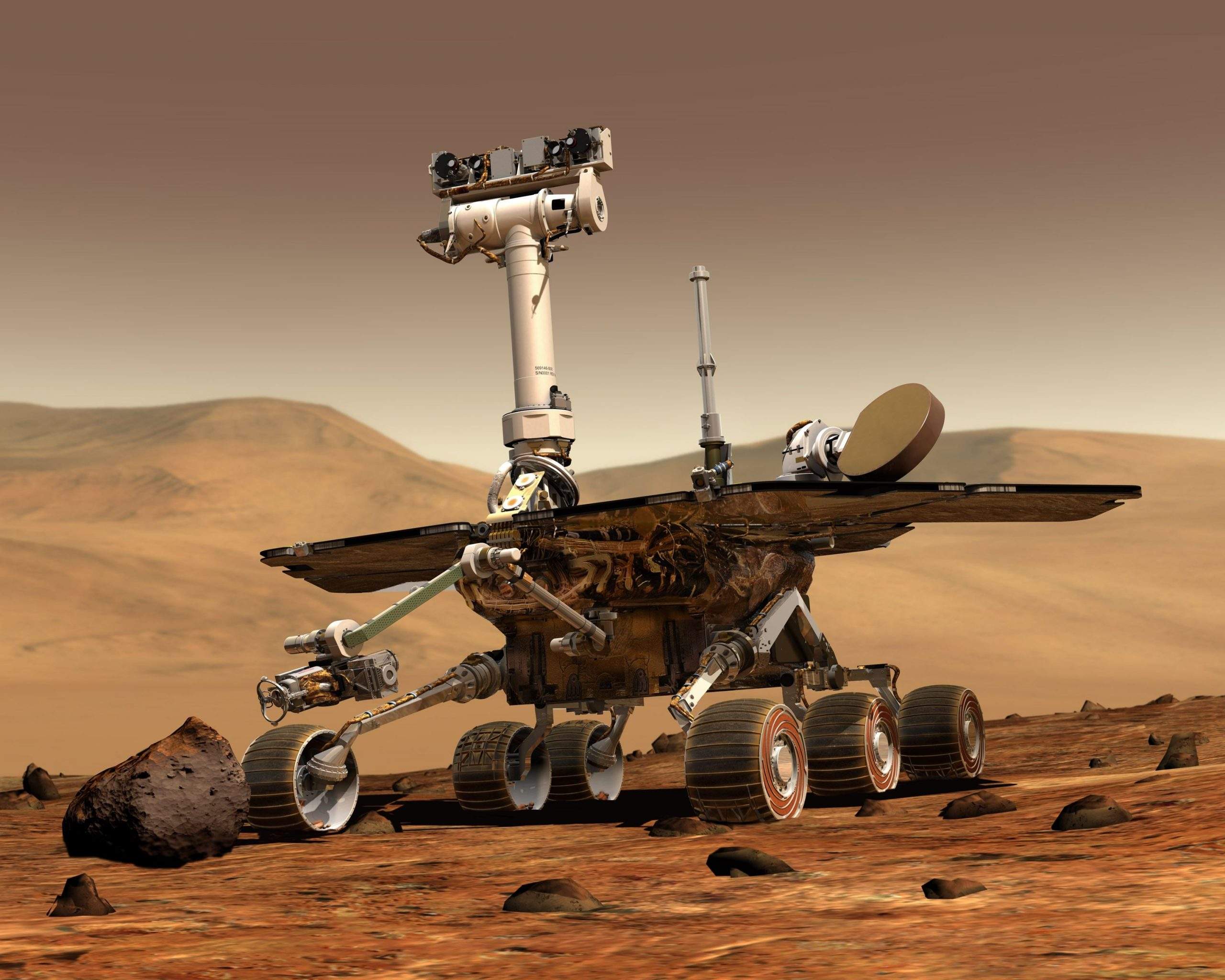
NASA’s Perseverance rover, which explores Mars, has collected a new rock sample that could be one of the oldest found so far on the surface of the Red Planet. Scientists hope the find will help them better understand the early geological history of Mars.
According to the French science portal Futura Sciences, the rover drilled into a rock outcrop on 24 October 2026 in the Lac de Charmes region, outside the rim of Jezero Crater. The sample has been named “Singita”.
Why the find is unusual
Perseverance landed on Mars on 18 February 2021 and has been studying Jezero Crater and its surroundings ever since. The crater is about 49 kilometres across and formed roughly 3.9 billion years ago after a large asteroid impact. Researchers believe it once held a lake fed by several rivers, and traces of their deltas are still visible.
Scientists therefore did not expect to find this type of rock outside the crater. “Singita” may be at least as old as the crater and possibly several hundred million years older.
What “Singita” is
It is a crystalline igneous rock. On Earth, such rocks include granite and basalt, which form when magma cools and crystallises, usually deep in the crust. The material most likely lay about a kilometre deep in the Martian crust before an asteroid or comet impact, or a series of impacts, possibly threw it to the surface.
A difficult drilling job
The rock was so hard that the first drilling attempt failed. The team obtained the sample using a different, less frequently used drill bit. It was the first rock sample the rover had collected in more than a year.
The mission team plans to keep the rover around Lac de Charmes for some time and to try to collect two more samples, including one from another, younger crystalline igneous rock.
The exact age of the sample cannot be determined at present, as that requires detailed analysis on Earth. Scientists would first have to bring the collected rocks from Mars to our planet.