Krišjopans: politicians shouldn't decide which car technology wins the market
Member of the European Parliament Vilis Krištopans has criticized EU electric vehicle policy and the planned 2035 ban on selling new petrol and diesel cars, calling it unrealistic and harmful to the economy.
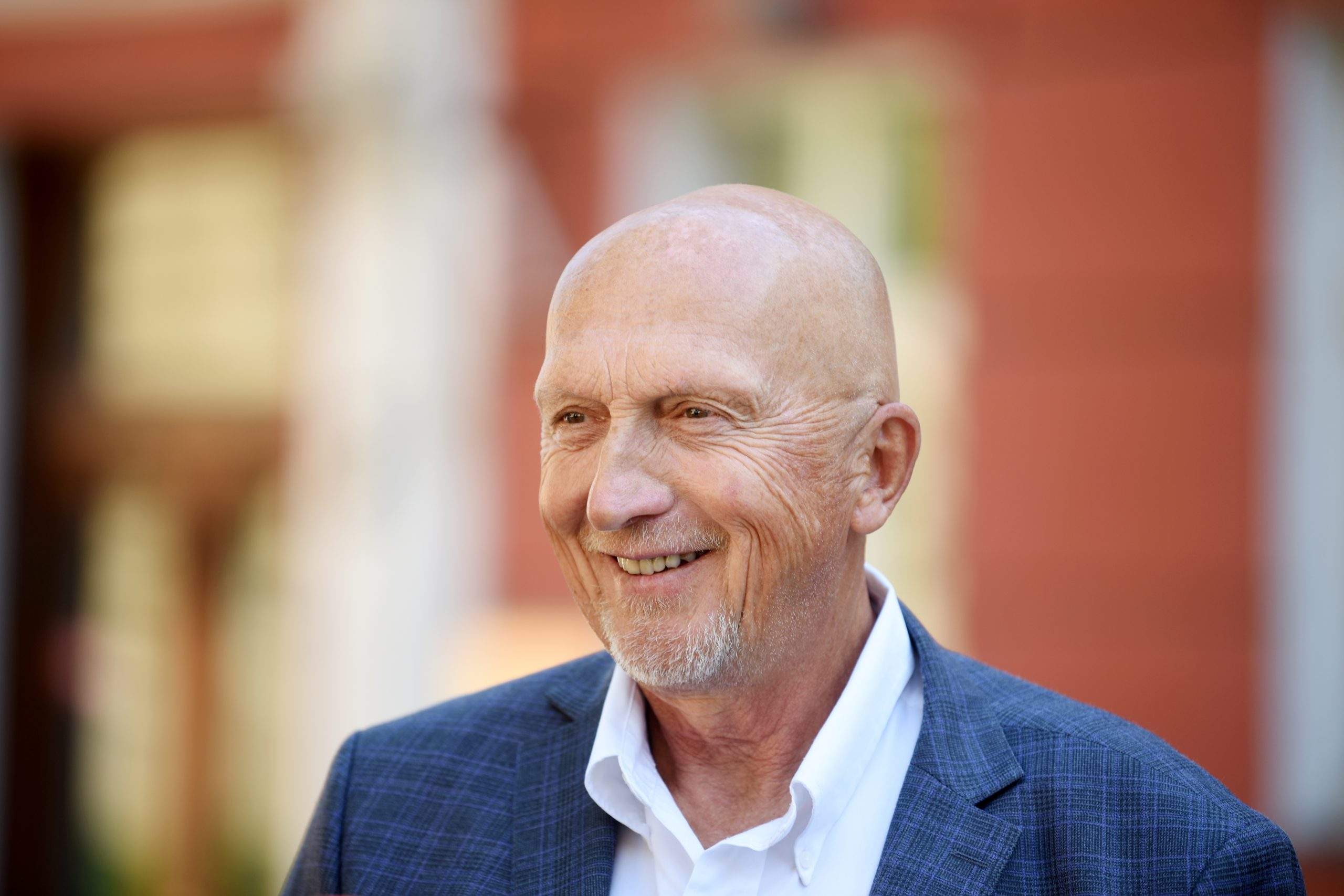
Member of the European Parliament Vilis Krištopans says the new European Parliament term has more conservative and right-leaning members who are skeptical of the Green Deal and excessive business regulation. He believes that, compared with the previous term, the Patriots political group and cooperation with other right-leaning forces have helped achieve several policy changes.
As an example, he cites the revision and extension of CO2 emission requirement deadlines, achieved by uniting right-leaning lawmakers from various political groups. He points to cooperation with the ECR group, which includes Latvian representatives Roberts Zīle, Rihards Kols and Reinis Pozņaks, as well as part of the European People's Party. Krištopans particularly praises Czech Patriots group colleague Ondřej Knotek for his contribution to changing climate and auto industry regulation.
Criticism of the EV ban
The lawmaker calls the decision to allow only new electric vehicles to be sold in the EU from 2035 absurd and practically unworkable. In his view, politicians should not determine which technology should win in the market — if electric vehicles genuinely become competitive with petrol and diesel cars, people will buy them voluntarily, without coercion or bans.
Krištopans notes that European carmakers, including Volkswagen, are facing major problems because they tried to shift to electric vehicle production too quickly. As an example, he mentions Audi's electric models, which have mainly been accessible through state or corporate funding, or to wealthy individuals, referencing former airBaltic head Martin Gauss, who purchased ten such vehicles.
The lawmaker points out that thousands of unsold electric vehicles are sitting on European dealership lots, which he says proves that political decisions cannot artificially force the market to adopt a technology. Krištopans calls for a review of EU climate neutrality policy, describing climate policy as "pseudoscience," and stresses that Europe must let industries compete freely or continue losing factories and jobs.