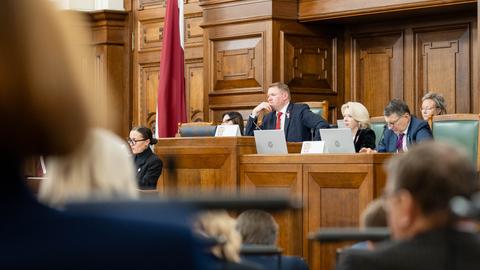
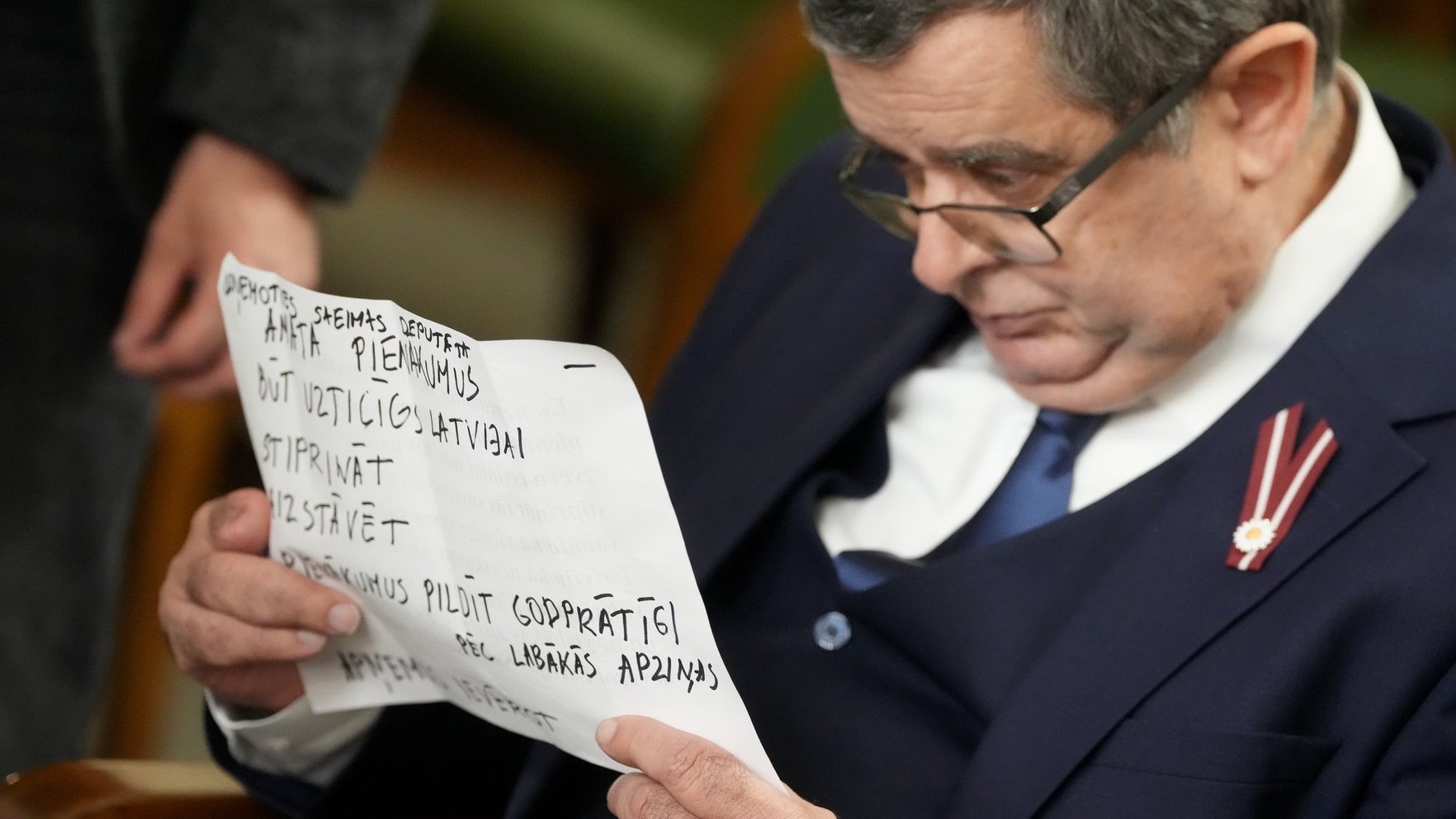
Kulbergs' new government inherits unchecked spending and rising debt
Latvia's public debt reached 22.9 billion euros in September 2026, while a Finance Ministry spending review produced no savings. Prime Minister Andris Kulbergs' first government postponed the report, leaving it to his second cabinet.
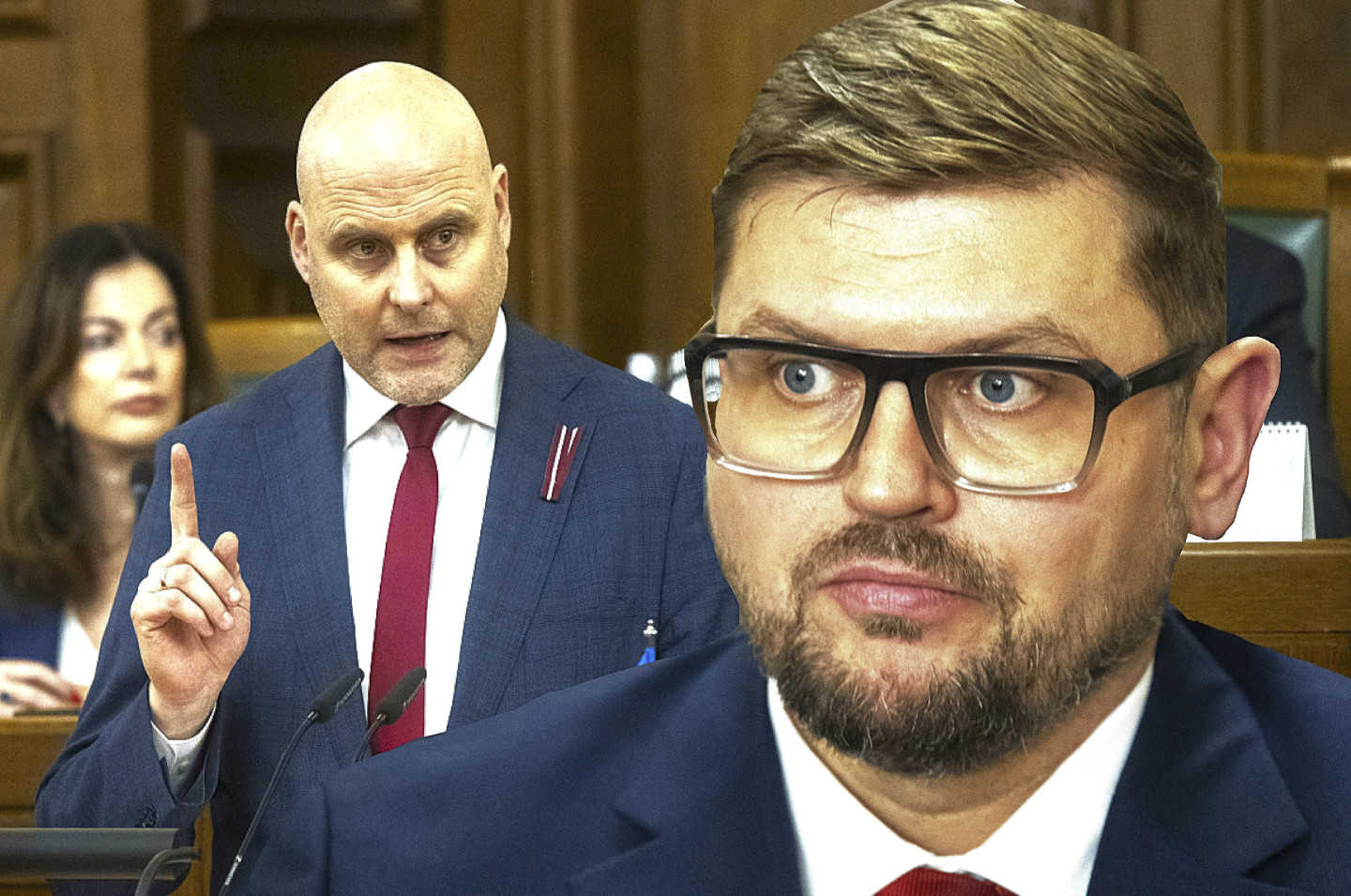
The second government of Latvian Prime Minister Andris Kulbergs, which has just been approved, begins work on next year's budget at a time of fast-growing public debt, while a Finance Ministry spending review has produced no cuts. This follows from an analysis in the Latvian daily Neatkarīgā Rīta Avīze (NRA). The issue matters because the deficit must be agreed with the European Commission, which monitors Latvia's finances on behalf of its creditors.
Budget and creditor requirements
Introducing his new cabinet, Kulbergs said the main task would be to put together next year's budget by cutting spending. In his words, if the current course continues the deficit will be a notch higher and such a budget could not technically be approved. The author explains that creditors do not object to borrowing as such, but want most of any new debt to go towards interest payments rather than other purposes.
Debt dynamics
According to the State Treasury's monthly reports, the debt stood at 17.6 billion euros in December 2023, 19.0 billion in December 2024, 20.5 billion in December 2025 and 22.9 billion in September 2026. Data from the Central Statistical Bureau on Maastricht debt show it rose from 0.8 billion euros in 2000 to 11.2 billion in 2019.
The day before the government was approved, the State Audit Office, Latvia's supreme audit institution, published its report on the 2025 accounts. It concluded that last year state expenditure grew almost three times faster than revenue.
Spending review without savings
The Finance Ministry's informative report on the baseline of the core and special budgets for 2027–2030 was on the agenda of the first Kulbergs government's final meeting on 10 November, but its consideration was postponed. The report identifies 284.8 million euros for 2027 to be redirected to priorities, but this is a reallocation rather than a reduction in spending. Just over 15 million euros was shifted between ministries, and all 435 reviewed services and activities were deemed necessary.
Pay growth above the limit
The State Audit Office found that the 2.6% cap on remuneration growth set by Evika Siliņa's government was not respected in 2025: in the audited institutions, pay rose by 7.1%.