Kulbergs government: 85% of priority tasks done, but only 71% of the full action plan
Latvia's Cabinet reviewed a State Chancellery report on 6 November on progress against its action plan. Priority ministerial tasks are 85% complete, while the whole plan stands at 71%.
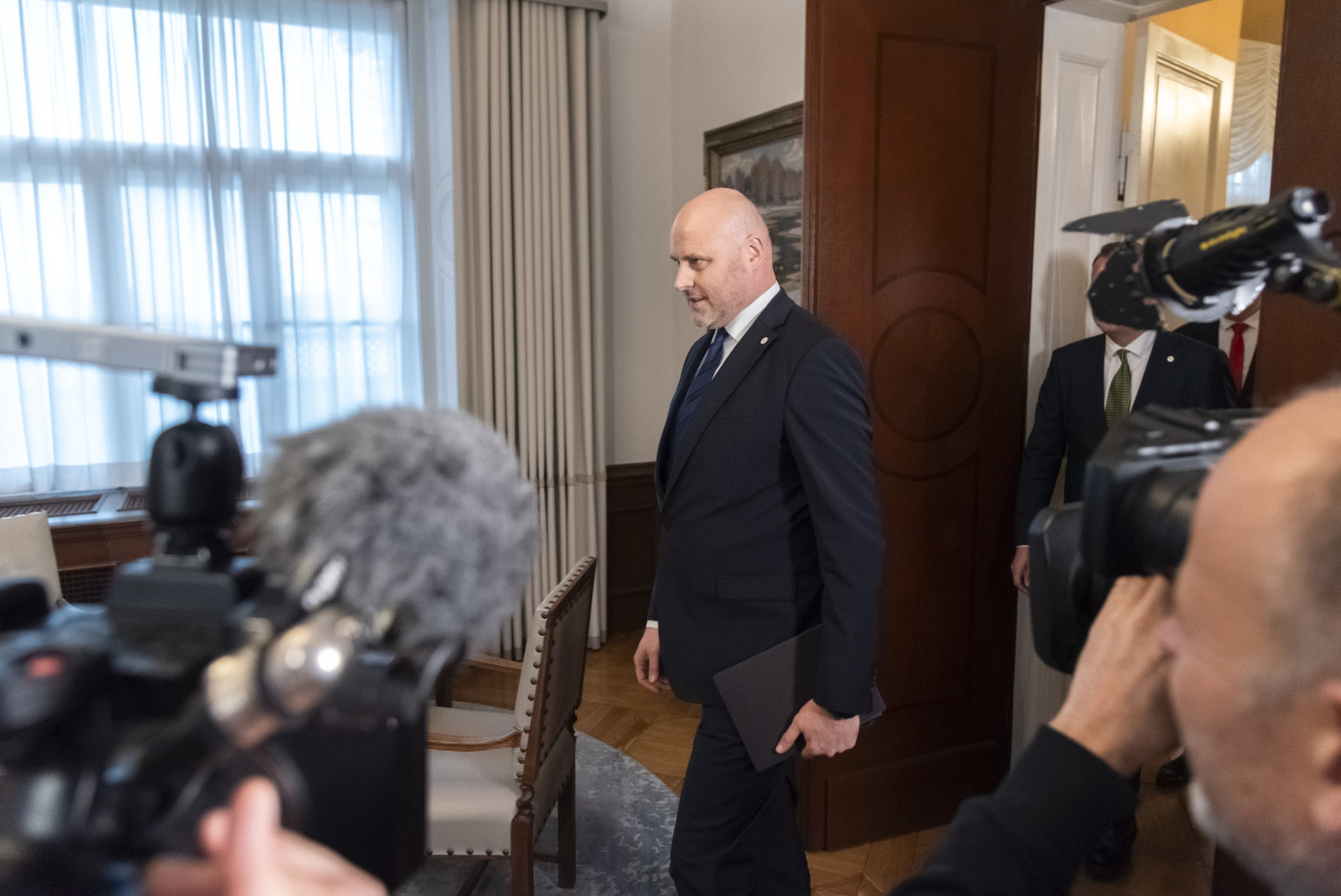
The Latvian government led by Prime Minister Andris Kulbergs on 6 November reviewed a report compiled by the State Chancellery on its work. The report says 85% of priority ministerial tasks have been completed, but only 71% of the full government action plan. It reflects the situation as of 15 October and is intended as a basis for continuity of work if the Cabinet of Ministers changes.
What the figures show
Of 61 priority ministerial tasks, 52 are finished. The action plan contains 185 measures in total: 132 are completed, 50 are under way and three have not yet begun. The 85% figure therefore applies only to priority tasks, not to the entire plan.
Why some work is unfinished
The Cabinet's statement links the unfinished measures to negotiations on the European Union's multiannual budget, state budget decisions, cross-sector compromises and the development of long-term solutions. Two of the measures not yet started, in education, have received no funding; decisions on them are expected during preparation of the 2027 state budget. An initiative to support energy-intensive companies was not backed because a study did not confirm its effectiveness. The implementation of another 35 measures depended on additional funding, which had to be found without negatively affecting the state budget.
What the government lists as achievements
The government points to construction of infrastructure on the external border, development of drone use and counter-drone capabilities, improved protection of critical infrastructure, and closer cooperation with NATO allies and Ukraine. It also lists amendments to the Construction Law that allow building projects to be carried out in stages, steps to reduce administrative burdens, and decisions on reorganising the hospital network. In welfare, it cites a higher housing benefit during the heating season and a wider circle of recipients. In education, it introduced the "Programme at School" teacher pay funding model, which aims to provide more predictable funding and quality education regardless of a school's location.
Kulbergs stressed that work already begun should continue after a change of government. In his words, people expect real work and changes they can feel in daily life, not new promises.