Kulbergs: Government Still Has to Agree on Directions for Budget Cuts
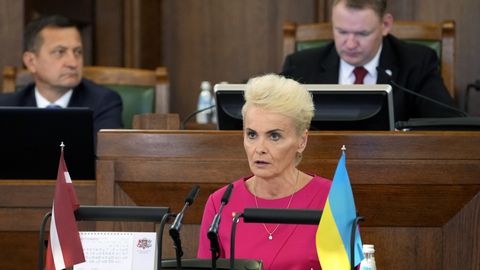
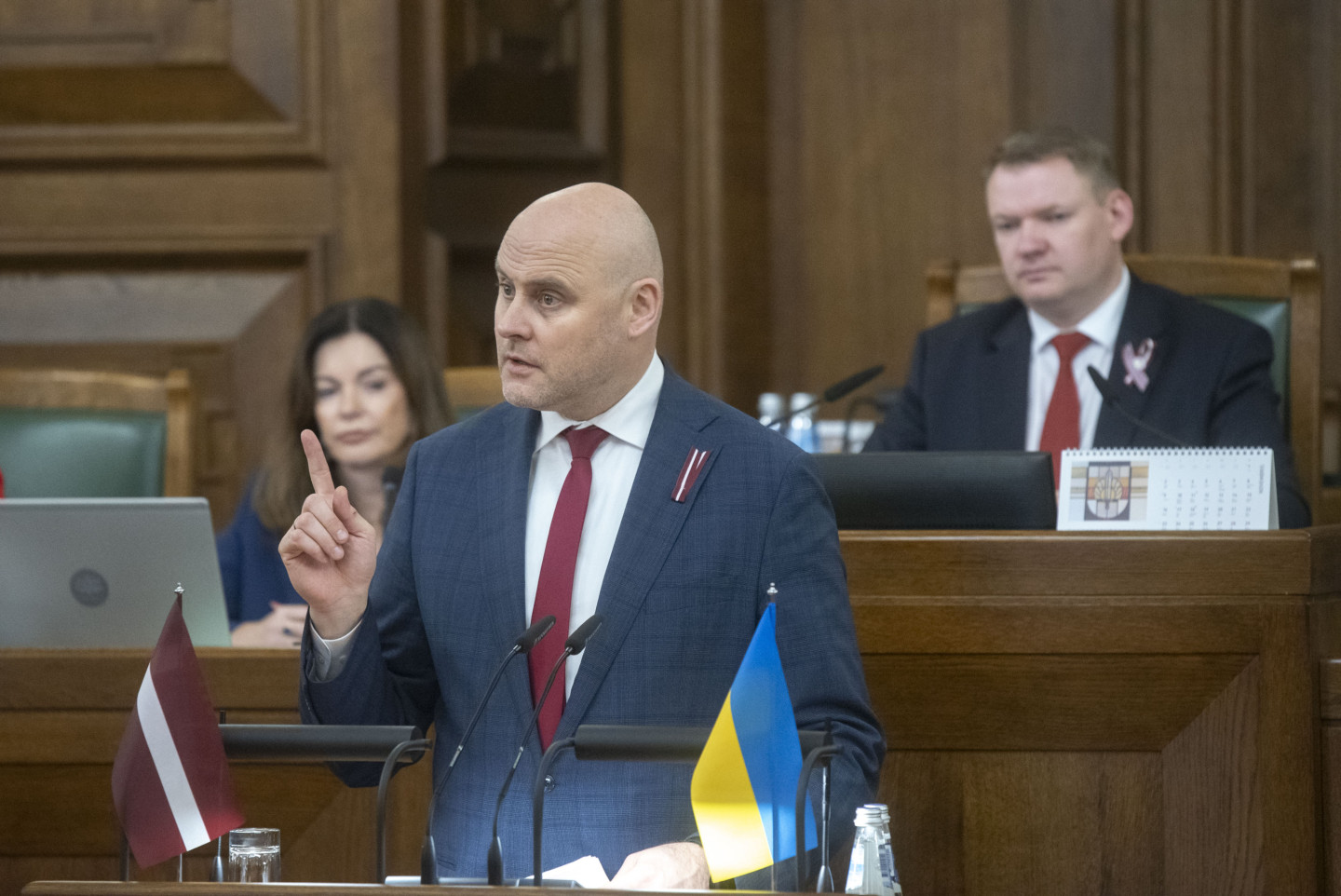
Prime Minister Andris Kulbergs says the Latvian government must still reach a conceptual agreement on where to cut budget spending. The Finance Ministry's list contains more than 100 activities in six categories.
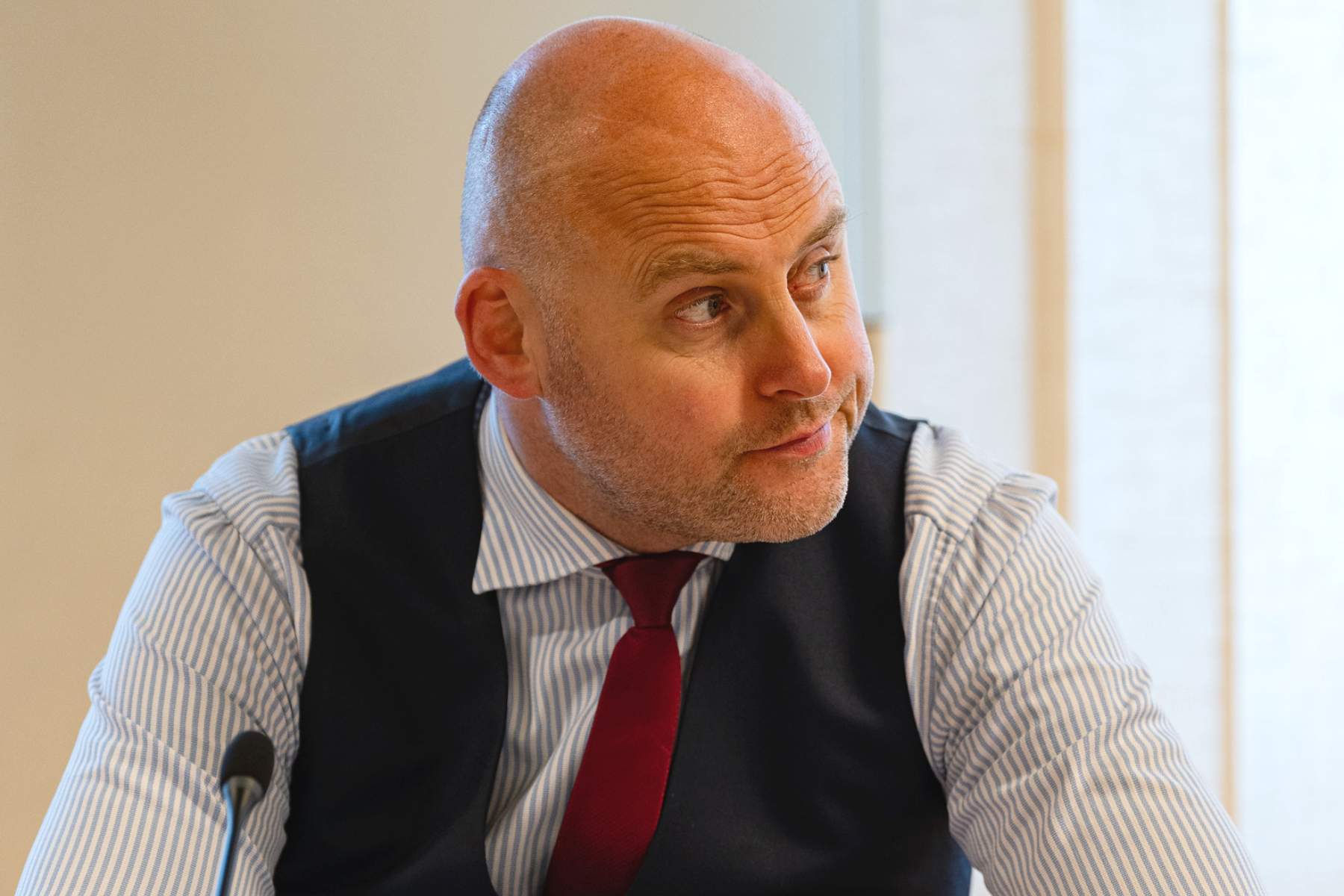
The Latvian government has yet to reach a conceptual agreement on the directions in which to carry out measures to reduce state budget spending. Prime Minister Andris Kulbergs (of the United List party, AS) told the news agency LETA. This means the planned savings are for now only identified possibilities, not adopted decisions.
More than 100 activities
The four-year plan for putting public finances in order and boosting economic growth, presented this month, includes a list of possible activities and proposals compiled by the Finance Ministry (FM). It draws on the ministry's own proposals, findings and recommendations in State Audit Office reports, suggestions from social partners, and conclusions from discussions with sector ministries. In total, the list contains more than 100 activities.
The activities are divided into six thematic categories, each with an estimated financial potential. Kulbergs stresses that the amounts are potential target figures, not guaranteed savings. He added that both the activities and their assessments may change as the work continues.
Next steps
According to the prime minister, the government would first need to reach a conceptual agreement on the directions. The Finance Ministry would then analyse each activity in more detail, assessing how it could be implemented and its likely financial effect. This work would have to be built into the coming budget preparation process, so that the identified options turn into concrete, workable proposals.
Estimated four-year savings
As reported earlier, the estimates for the four-year period are:
- public administration – about 900 million euros, including cutting the number of posts, centralised procurement of standardised goods and shared administrative services;
- sector reforms – about 650 million euros, including the administration of sick leave and benefits and a hospital cooperation network;
- capital, revenue and one-off measures – 540 million euros, for example a fixed non-taxable minimum for personal income tax and the use of state-owned companies' free funds;
- stronger rules and administrative discipline – 370 million euros, linked to appropriation discipline and a review of priority measures.