Kuldīga council head: crisis readiness is a shared responsibility
Kuldīga municipality council chair Inese Astaševska discusses lessons learned from the recent storm and why she supports extending the damage-reporting deadline. She stresses that household self-preparedness is equally important in emergencies.
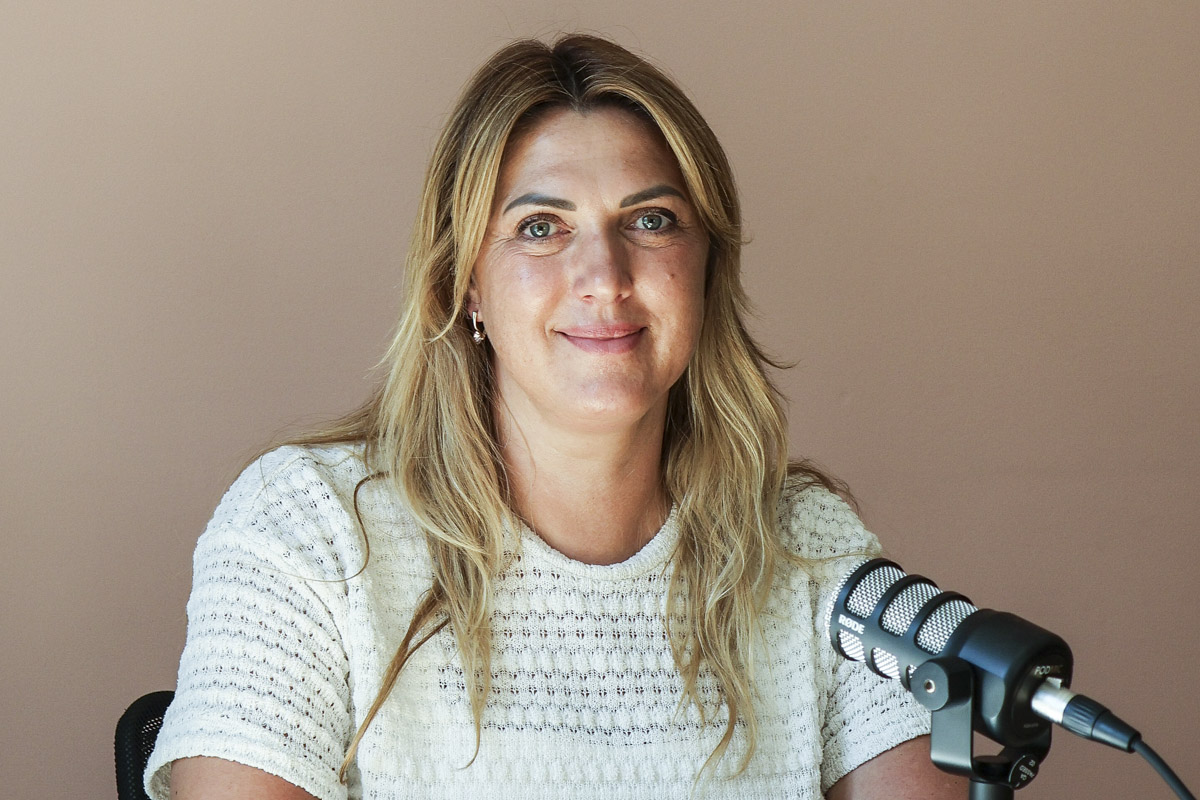
Inese Astaševska, chair of the Kuldīga municipality council and head of its civil protection commission, has commented on a proposal by the Ministry of Smart Administration and Regional Development to extend the deadline for municipalities to submit initial storm damage reports from three to ten working days. Astaševska welcomed the proposal, explaining that during a large-scale emergency, a municipality's priority must be public safety, keeping critical infrastructure running, and clearing storm damage — not rushing to prepare an administrative report. A longer deadline, she said, would allow a more thorough assessment of the territory, better information gathering from parishes and municipal enterprises, and a more detailed, accurate picture submitted to the state, rather than rough early estimates that later need repeated correction. She noted that damage assessment in the Kuldīga municipality began immediately after the storm and is ongoing regardless of the reporting deadline.
Public awareness and self-reliance
Responding to complaints from residents about not receiving timely information, for instance about power outages, Astaševska pointed out that storm warnings had been issued in advance through national and local media as well as cell broadcast alerts, while the power distribution company Sadales tīkls had additionally warned households about the risk of outages. At the same time, she emphasized that individuals also bear responsibility for preparing for emergencies — charging devices, arranging alternative lighting, and stocking water, medication, and food for at least the first hours. She said the so-called 72-hour readiness principle is not meant to shift responsibility onto residents, but rather to ensure emergency resources are directed, in the crisis's first hours, to those who genuinely need immediate help.
Lessons for the future
Astaševska outlined several lessons the municipality intends to apply going forward: improving communication and feedback between leadership and emergency services, strengthening the resilience of communication and information channels for situations where electricity, internet, and mobile networks fail simultaneously, and ensuring critical infrastructure — such as backup power and water supply — remains ready regardless of weather conditions. She said a resilient municipality depends on preparedness at every level: municipal services, businesses, and individual families, while the municipality's role is to coordinate and continually strengthen that collective readiness.


