Valdis Kalns, a farmer from Kurmāle, on balancing forestry between nature and economy
In an interview, Valdis Kalns, a 45-year-old lawyer and forester, shares his thoughts on his family homestead, forest management, energy policy, and Latvian history.
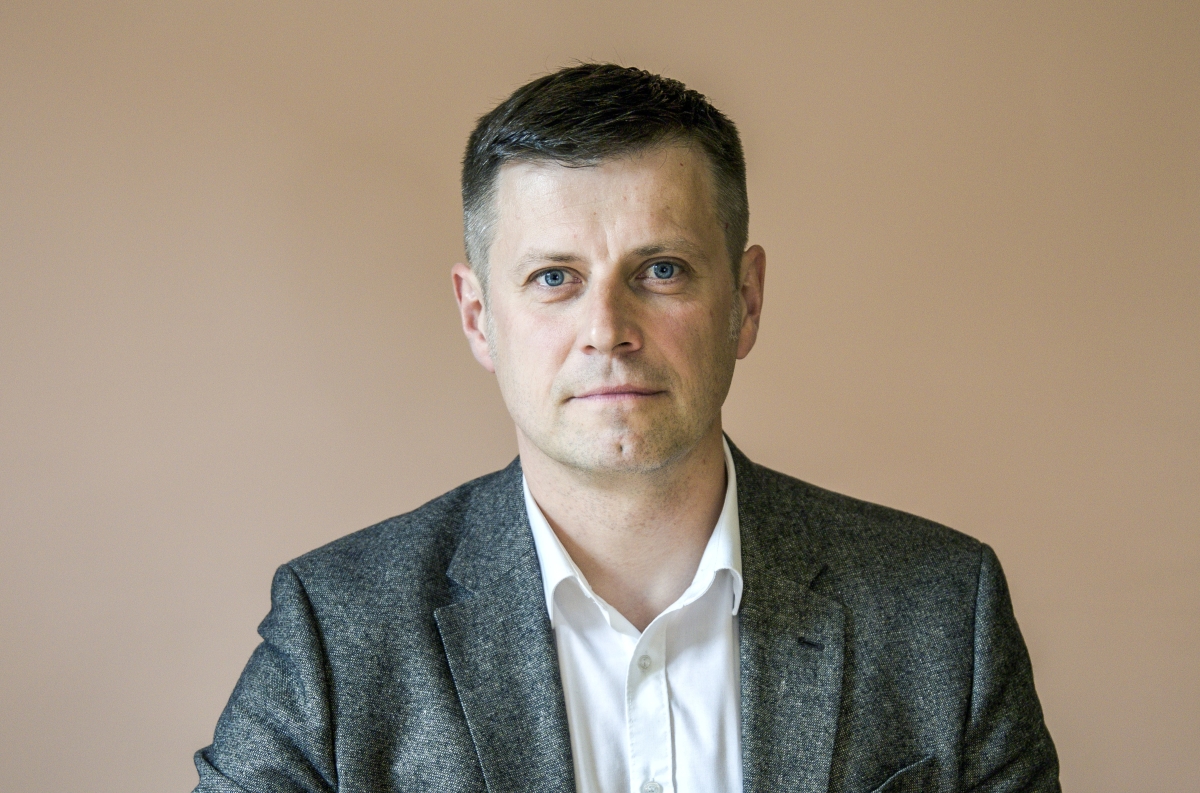
Valdis Kalns, a 45-year-old native of Kurmāle, was born in Liepāja and graduated from Vilis Plūdonis Kuldīga Gymnasium. Though trained as a lawyer, he has spent most of his career in forest management. He returned to the family farm Segļi in Kurmāle parish, purchased by his ancestors in the late 19th century with a loan of 3,500 silver rubles (roughly 350,000 euros today) plus another 1,500 silver rubles through a program similar to today's Altum. Kalns is the seventh generation on the property. He manages 60 hectares, half forest and half arable land.
On forestry, Kalns notes that Latvia's forests are well-managed but face challenges from uniform EU standards. He argues that the 30% protected area requirement is unsuitable, citing Sweden and Finland as examples. He points out that since the 1930s, forest area has doubled and growing stock has increased 3.5 times. He criticizes the environmental assessment methodology where the worst parameter determines the overall score, and adds that no protected area in Latvia has ever been revoked even when conditions changed.
Regarding energy, Kalns supports wind farm development, noting that Denmark, the Netherlands, Ireland, and Scotland have no major issues with them. He predicts Latvia will not build more than ten large wind parks and calls for reducing energy imports. He views foreign investment positively, as it increases NATO's stake in defending Latvia.
On historical matters, Kalns argues that the 1905 monument in Kuldīga should remain as a historical artifact, not be relocated. He recalls that sculptor Līvija Rezevska helped his grandfather return home after a labor camp. Kalns also criticizes public media for insufficient coverage of financial literacy and entrepreneurship.

/nginx/o/2026/10/06/17958491t1h91de.jpg)