More than 800,000 bees stolen in 'sophisticated' operation in far north Queensland
Thieves stole 44 bee colonies — over 800,000 bees — from three beekeepers in far north Queensland, using specialist equipment to leave hives looking untouched, just as the region battles its first varroa mite outbreak.
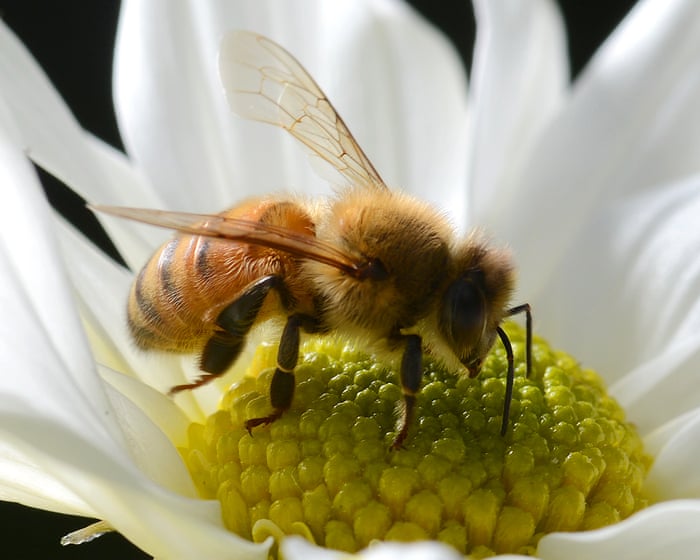
An estimated 800,000 bees worth tens of thousands of dollars have been stolen from properties across far north Queensland, Australia. Apiarist Tom Bidner from the Atherton Tablelands said 44 colonies were taken from three separate beekeepers, and checks are ongoing as beekeepers work through numerous remaining sites.
Bidner estimates each hive holds at least 20,000 bees, putting the total stolen at more than 800,000. The thefts occurred across multiple properties in different locations and appear to have required a coordinated, well-equipped operation.
A careful method
Rather than removing entire hive boxes, which would be quickly noticed, the thieves took only the brood box, leaving hives looking untouched from a distance. According to Bidner, the culprits arrived with a truckload of gear, transferred the frames into their own boxes, then reassembled the hives so growers wouldn't suspect anything had happened. Notably, the honey was left behind, suggesting the bees themselves were the target.
Bidner suspects the perpetrators may have industry knowledge. Beyond losing the bees, affected apiarists stand to lose valuable pollination contracts worth thousands of dollars, while growers face reduced crop quality from diminished pollination. Bidner called it the biggest theft he can recall, though not the first of its kind. The theft comes during peak avocado season in the region, when hives are commonly placed on properties for pollination work or left along roadsides.
Detective Sergeant Ben Cross of the Mareeba rural and stock crime squad echoed the suspicion, saying he believes a commercial operator, rather than a hobbyist, is behind the thefts.
Compounding troubles
The thefts coincide with the region's first detection of the varroa mite parasite just south of Cairns. University of Queensland professor Megan O'Mara said more than $100m has been spent fighting the parasite's spread since it reached Newcastle in 2022, though current treatments remain only partially effective. Uncontrolled spread could cost the industry up to $1bn over three decades. Researchers, including O'Mara, are working on more effective treatments, including one based on mRNA technology, though a breakthrough remains years away.