Bluetongue disease detected in Latvian cattle for the first time
Infectious catarrhal fever, known as bluetongue disease, has been laboratory-confirmed in two cattle at a farm in South Kurzeme municipality. It is the first time the disease has been found in Latvia.
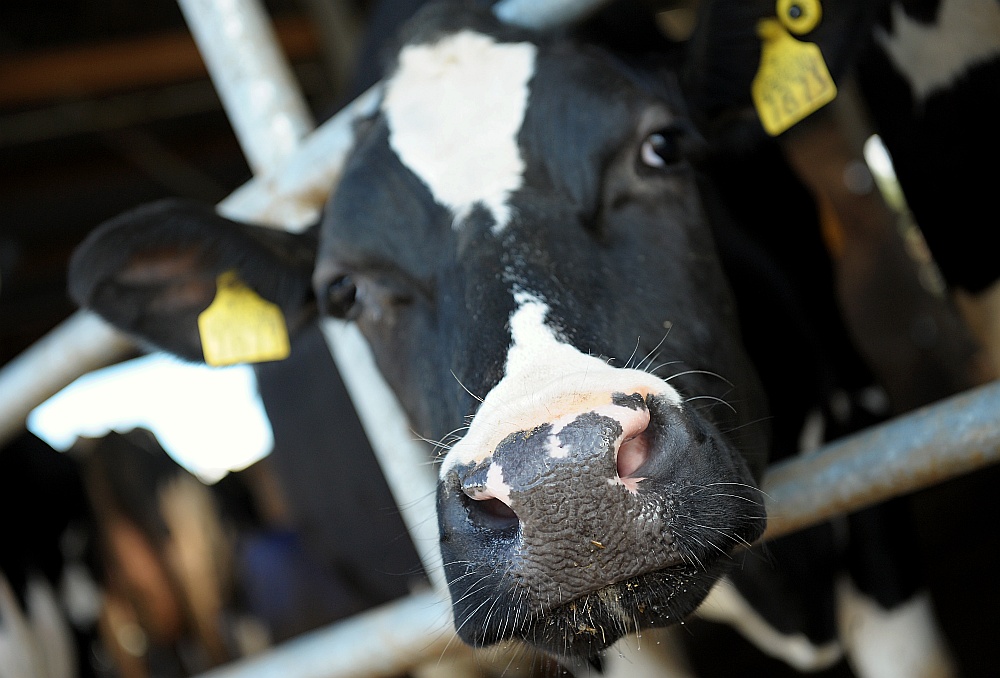
Cattle on a small farm in South Kurzeme municipality, Latvia, have contracted infectious catarrhal fever, better known as bluetongue disease. The Food and Veterinary Service (PVD), a state body under the Ministry of Agriculture that supervises food circulation and veterinary matters, told the news agency LETA on 27 October. It is the first time the disease has been identified in Latvia, which matters to farmers raising ruminants.
Laboratory confirmation
The PVD says the third serotype of the virus was confirmed in two cattle under the national surveillance programme. Neighbouring countries recorded the disease earlier: Poland in autumn 2024 and Lithuania in 2025.
How the disease spreads
The illness is caused by a virus and affects ruminants, including cattle, sheep and goats, as well as alpacas, llamas and wild ruminants. It is spread only by blood-sucking insects, midges, which are active in Latvia from April to November. The disease is not contagious: one sick animal cannot pass it to another. It poses no threat to human health or food safety.
Recommendations and requirements
Animals should be treated with insecticides or repellents, or vaccinated as a precaution against the third serotype found in Latvia. If infection is suspected or symptoms appear, the farm's veterinarian must be contacted immediately.
No restrictions are placed on the affected farm for moving animals or animal products within Latvia. Holdings within 150 kilometres of the outbreak that plan to sell ruminants for breeding abroad must meet common EU trade requirements: the animals must be tested in a laboratory for the disease or vaccinated against the third serotype. Exports to non-EU countries must satisfy the requirements in the destination country's veterinary certificate.