Northern Ireland teachers: Angus Youth Challenge builds skills hard to teach in class
The ABP Angus Youth Challenge, a farming-themed schools competition in Northern Ireland, is drawing pupils from both rural and urban schools. Teachers say it strengthens public speaking and confidence.
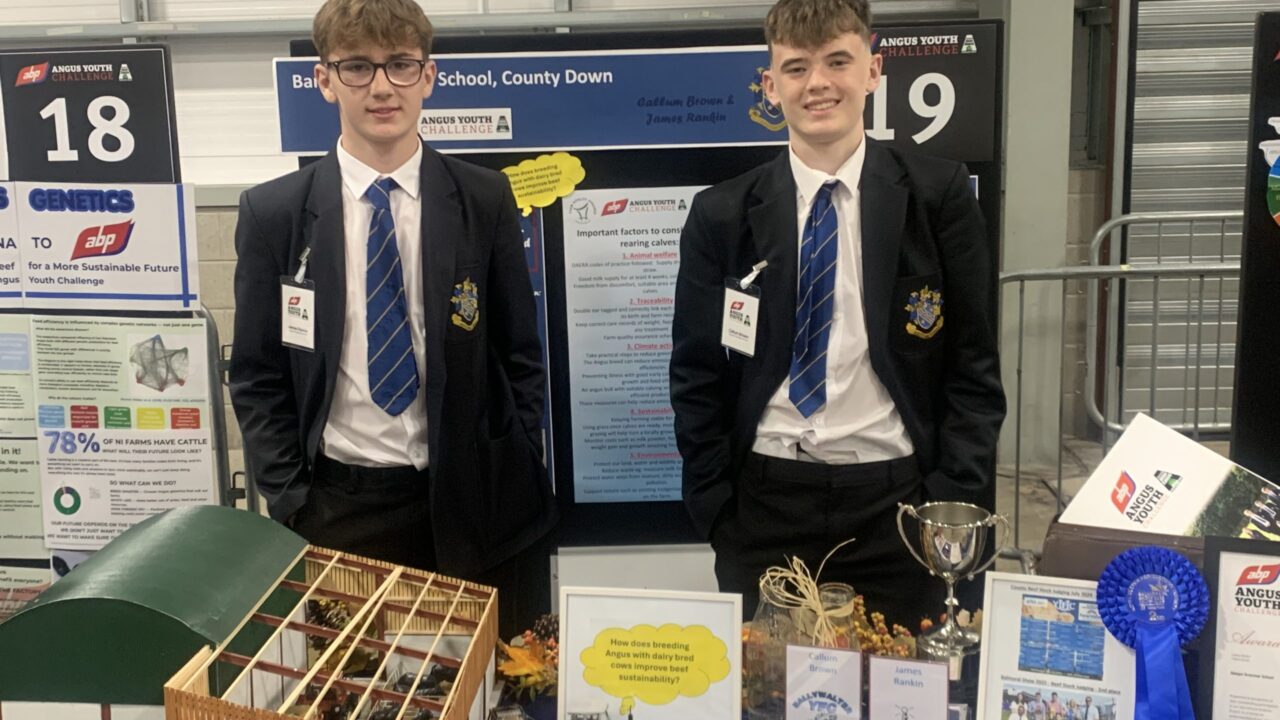
The ABP Angus Youth Challenge, a farming-themed competition for schools in Northern Ireland, has generated growing interest among teachers and pupils across the region, and its momentum looks set to continue. Teachers of the 2026 finalists say the benefits go well beyond learning about agriculture.
Presentation skills and confidence
Clare McIlvenny of St. Patrick’s College in Dungannon, Co. Tyrone, says the competition has significantly improved all team members’ presentation and communication skills. She adds that pupils’ self-confidence has risen, which matters for their future careers.
Fiona O’Neill, supervising teacher of the team from St. Patrick’s High School in Keady, Co. Armagh, describes similar gains. She says pupils have been able to take their learning beyond the classroom and have grown more confident in public speaking and sharing ideas. The team also learned about the role women play in Northern Ireland’s agriculture.
Pupils with no farming background
Conor McNeill teaches at Blessed Trinity College in North Belfast. He says none of its pupils come from a farming background, so taking part meant stepping out of their comfort zone, and that it has worked. The school’s interest began after a visit to the Balmoral Show. Last year McNeill brought a couple of lambs from his family’s sheep flock to school to show pupils what practical farming involves, which made it easy to see who was genuinely interested in rural life.
Wider reach
The source describes the challenge as more than a farming contest: a way to develop skills that are hard to teach in a standard classroom. Schools from both rural and urban areas are taking part, and no comparable initiative is said to have attracted such a varied range of entrants. Teams’ activities and social media use also carry the challenge’s core themes out to local communities.