Latvia's economic growth hurdles: exports, investment and bureaucracy
Boosting investment, increasing exports and cutting red tape are seen as key conditions for faster growth and competitiveness in Latvia's economy, but recent government efforts have fallen short of expectations. Neighboring Lithuania's much faster economic growth highlights the gap.
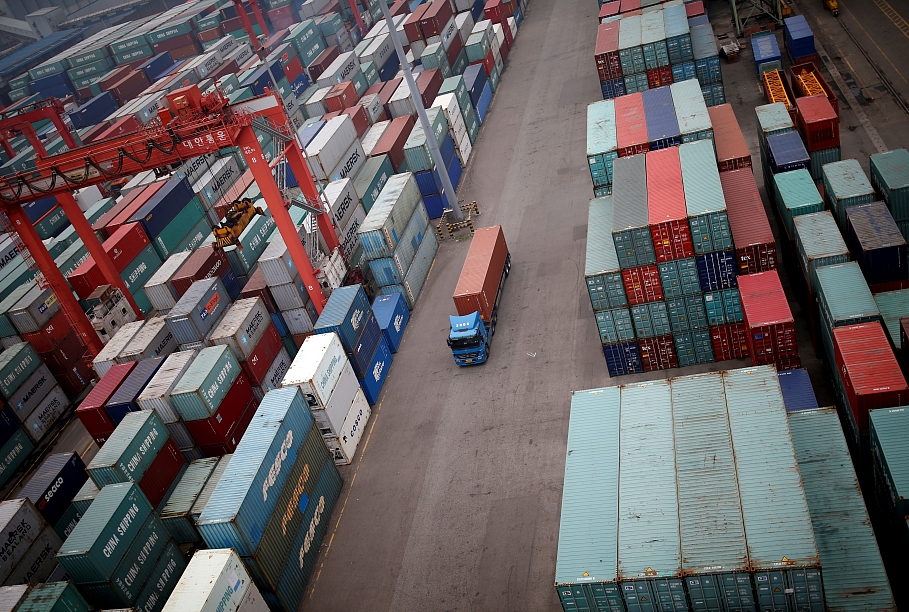
Economists and policymakers point to three main conditions for Latvia's economy to grow faster and compete internationally: increased investment, higher export volumes, and reduced bureaucratic burden on businesses.
Government efforts and outcomes
Over recent years, successive governments have tackled these issues with considerable determination. However, the results achieved so far have not matched the effort invested or the promises made by policymakers.
Comparison with Lithuania
The gap becomes especially apparent when compared to neighboring Lithuania, whose economy has grown considerably faster than Latvia's in recent years. This disparity raises legitimate questions about why one Baltic state manages to achieve better results than another under broadly similar circumstances and facing similar challenges.
What comes next?
A key question remains what exactly politicians have promised regarding the economy and to what extent those promises have been fulfilled in practice. At the same time, there is a growing need for a clearer vision of what should change in the country's economic policy so that attracting investment, boosting export volumes, and increasing productivity can happen faster and more effectively than they have so far. These questions remain relevant for both the government and businesses, which are awaiting more concrete solutions to accelerate economic growth.


