Lembergs: Latvia's port policy helps Russia profit at our expense
Aivars Lembergs criticizes Latvia's sanctions policy, claiming that by refusing transit of Belarusian potash, Latvia loses EUR 300 million that goes to Russia.
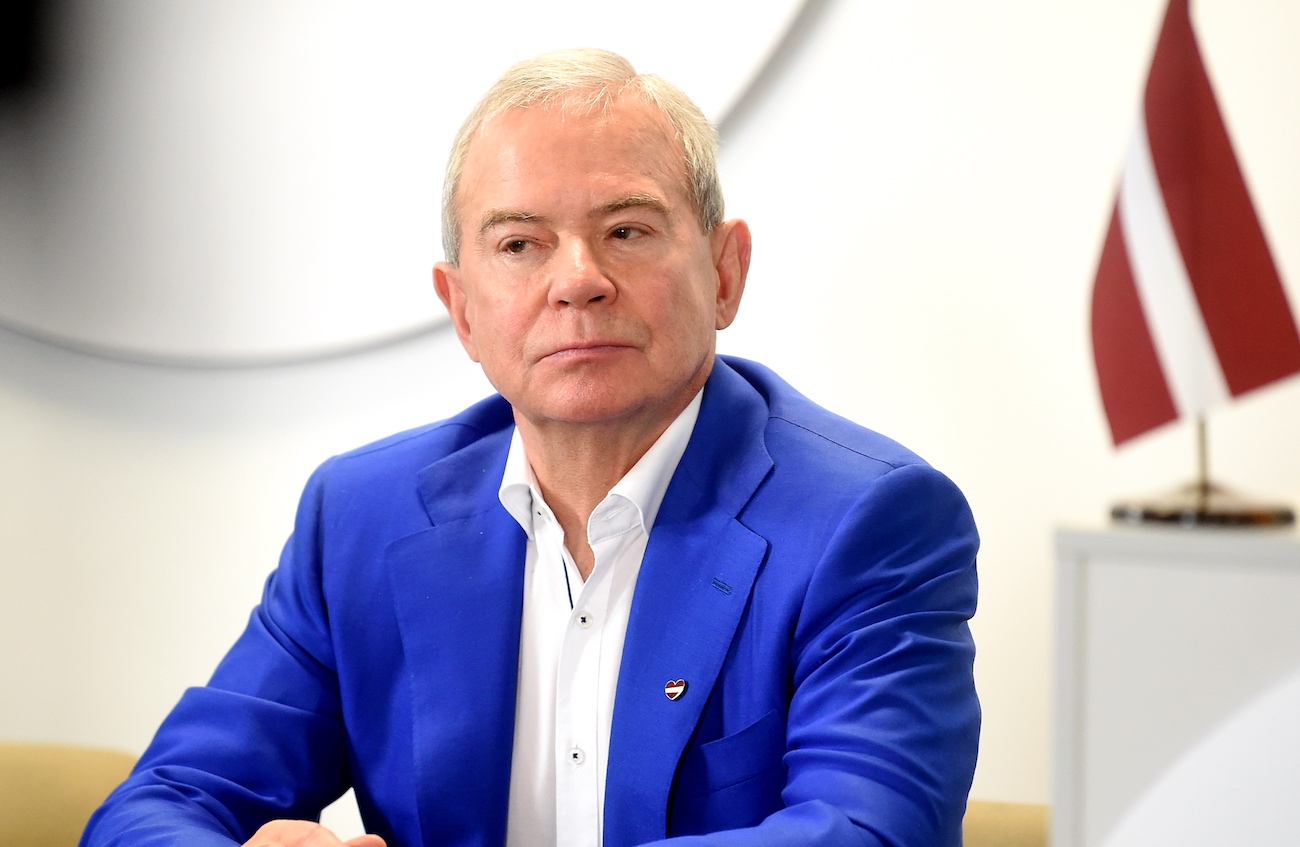
Ventspils municipal deputy Aivars Lembergs stated on the TV24 program "Top News" that Western sanctions against Russia and Belarus are necessary, but their implementation must consider the impact on Latvia's economy. He cited the export of Belarusian potash as an example.
According to Lembergs, the US has lifted the ban on Belarusian potash exports, allowing the product to re-enter the global market. Latvia had the opportunity to handle these shipments in its ports, but they now go through Russian ports. He pointed to a volume of 11 million tons that Latvia could have transshipped but is now handled by Russia.
The politician argued that Latvia loses potential revenue – about EUR 300 million in GDP and EUR 100 million in tax revenue – which goes to Russia. "So that Russia has money to wage war," he added, criticizing Latvia's decision as taking Russia's side.
Lembergs also sharply criticized Latvia's port policy and former transport ministers, calling them "debilious people" who pushed Latvian ports out of international circulation. He urged that before adopting sanctions, their impact on Latvia should be assessed, not just on Russia or Belarus.
LA.lv reports that in March this year, the US Treasury Department lifted sanctions on Belarusian companies Belaruskali and Belarusian Potash Company (BPC), as well as on several other entities, including Belinvestbank and the Belarusian Finance Ministry. The sanctions were lifted after Belarusian dictator Alexander Lukashenko released political prisoners. Potash is a key Belarusian export, and historically these shipments made up a significant part of Baltic port transit. After sanctions were imposed, some export routes shifted to Russian ports.
The European Union has emphasized that the goal of sanctions is to limit Russia and Belarus’s ability to finance the war in Ukraine, even if it causes economic consequences for member states.