Gulf States Pour Billions into Africa: A Growing Trend
The UAE and Saudi Arabia have invested over $100 billion in Africa in the last decade, focusing on energy, ports, and raw materials to diversify their economies and expand influence.
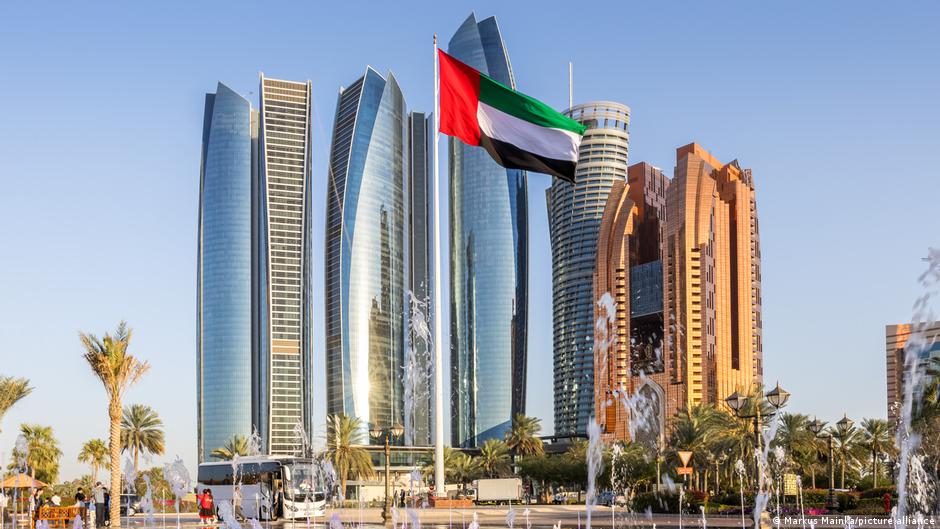
Just days ago, ADNOC Distribution, a petroleum retailer from Abu Dhabi, announced it would acquire Shell's petrol stations and fuel business in South Africa, with a price tag of around $1 billion. This deal is a prime example of a broader trend: Gulf states have been steadily increasing their economic footprint in Africa over the years.
According to the UK-based think tank Chatham House, the Gulf Cooperation Council (GCC) countries have invested more than $100 billion in Africa over the past decade. The UAE contributed roughly $59 billion of that amount, while Saudi Arabia contributed another $26 billion.
A key driver behind this surge is the need for Gulf economies to diversify away from hydrocarbons and to strengthen their economic projection. Investments are concentrated in energy, ports, logistics, agriculture, and critical raw materials such as copper, cobalt and lithium, essential for electric vehicles and artificial intelligence.
However, strategies vary by country. The UAE is the most active, pursuing not only economic goals but also geopolitical influence, such as controlling strategically important ports. Saudi Arabia is more selective, focusing on energy and development financing through bilateral and multilateral channels. Qatar has played a lesser role so far.
For many African nations, Gulf interest comes at a welcome time, as Western development aid shrinks and China reduces loan offerings. Direct investment from Gulf states can help fill financing gaps in infrastructure, energy and logistics. Moreover, unlike China, Gulf states prefer investment over loans, often with fewer political strings attached.
Yet concerns remain. Chatham House warns that investments are centered on ports, supply chains, and raw materials, primarily serving the strategic interests of the investing countries. The Brookings Institution cautions that some investments reduce African states to mere raw material suppliers rather than fostering manufacturing and industry. The real challenge lies in whether African nations can build value from the money and ensure long-term, sustainable growth.


