New cost of living squeeze looms in UK as soaring energy bills push up inflation
UK inflation is forecast to near 3% in July as energy bills surge, according to official figures due Wednesday, with the Iran war's impact on global energy markets complicating the Bank of England's interest rate decisions.
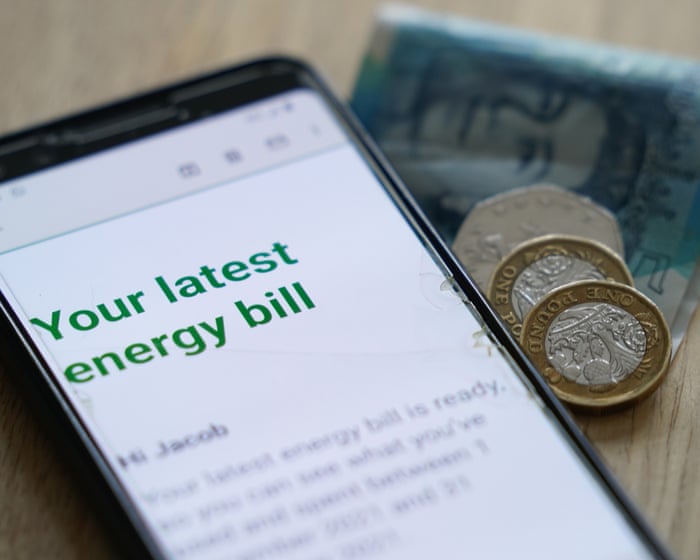
British households are bracing for a fresh cost of living squeeze as official data due Wednesday from the Office for National Statistics is expected to show inflation climbing to around 2.9% in July, up from 2.6% in June. The main driver is a 13% increase in July to the energy regulator Ofgem's cap on household gas and electricity bills.
Thomas Pugh, chief economist at RSM UK, estimates the energy cap rise alone could add roughly 0.44 percentage points to headline inflation, an increase only partly offset by falling petrol and diesel prices. He warned that cost of living concerns are set to dominate headlines again, adding pressure to household finances and complicating the outlook for interest rates.
Fallout from the Iran war
The ongoing conflict involving Iran continues to disrupt global energy markets, fuelling renewed inflationary pressure worldwide. Before the war broke out, UK inflation had been on a path toward roughly 2%, but economists now warn its effects will weigh more heavily on the economy in the second half of the year.
Despite this, the UK economy grew faster than any other G7 country in the first half of 2026, and inflation fell more than expected in June.
Government and Bank of England response
In his first week as prime minister, Andy Burnham announced a package of relief measures, including a VAT cut expected to reduce average household electricity bills by £45 a year from October, and a £2 cap on bus fares in England. The Bank of England estimates these measures combined will lower headline inflation by 0.1 percentage point.
Still, the Bank projects inflation could reach 3.2% by year-end, and warns that in a worst-case scenario involving further escalation in the Middle East, it could peak at 4.5% by mid-2027. The Bank held its base rate steady at 3.75% last month, though investors see a real chance of a rate rise as soon as September.