UK to approve Jackdaw North Sea gas field in blow to climate campaigners
The UK government will on Wednesday approve development of the Jackdaw gas field in the North Sea, despite likely opposition from climate campaigners and some Labour MPs. The decision ends more than a year of deliberation over whether it fits the country's climate commitments.
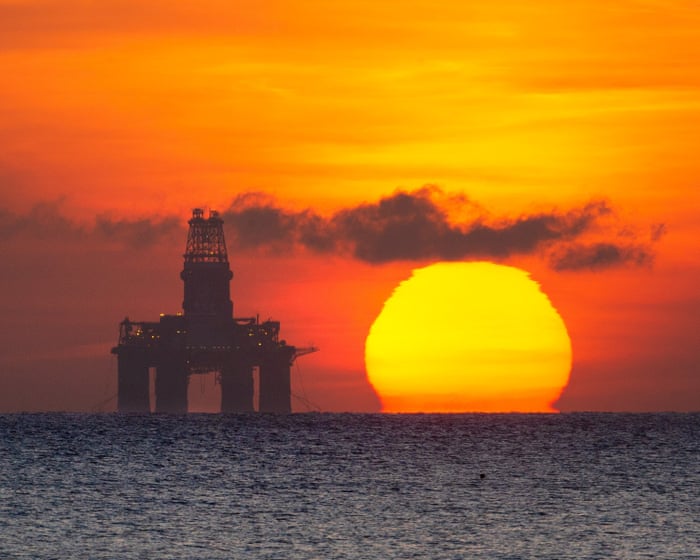
The UK government is set to announce on Wednesday in Aberdeen that the Jackdaw gas field in the North Sea can go ahead. Energy secretary Miatta Fahnbulleh and chancellor John Healey will make the announcement. It ends more than a year of deliberation over whether the project would breach the UK's climate commitments, and signals prime minister Andy Burnham's backing for the oil and gas industry.
About Jackdaw
Jackdaw is one of the biggest undeveloped fields in the declining North Sea basin. It is operated by Shell and Norway's Equinor. At full output it will account for 6% of North Sea gas production.
The Conservative government approved the field in 2022, arguing it would help shield the UK from energy market volatility caused by Russia's invasion of Ukraine. Labour took office in 2024 pledging no new North Sea licences. Last year a court ruling found that environmental consent for Jackdaw and the Rosebank oilfield had been wrongly granted, because regulators had not considered emissions from burning the oil and gas produced. Shell and Equinor resubmitted their application last September.
How the decision was reached
Sources told the Guardian that Fahnbulleh has decided not to block the field, allowing the North Sea Transition Authority (NSTA), the industry regulator, to approve it on financial and logistical grounds. The government will argue that environmental consent is not a new licence, so Labour's manifesto pledge is not broken. Burnham and his predecessor Keir Starmer have faced pressure in recent months from US president Donald Trump to open up the North Sea.
Criticism
Tessa Khan, executive director of campaign group Uplift, said Jackdaw will supply around 2% of gas demand for roughly 10 years and will not halt job losses, as it will be largely unmanned and operated remotely. A Savanta poll for climate group E3G found nearly a third of voters would be less likely to vote Labour if it approved more North Sea drilling.
No final decision has been made on the larger Rosebank field, which is expected later this year. Officials see it as the more sensitive case, as it would produce around seven times the CO2 emissions and most of its oil would be exported.