UK losing up to £6.5bn a year in EU trade due to mismatched product rules
A think tank estimates the UK loses between £3.7bn and £6.5bn annually because London and Brussels lack a deal allowing mutual recognition of product testing. Car, electronics and pharmaceutical exports are hit hardest.
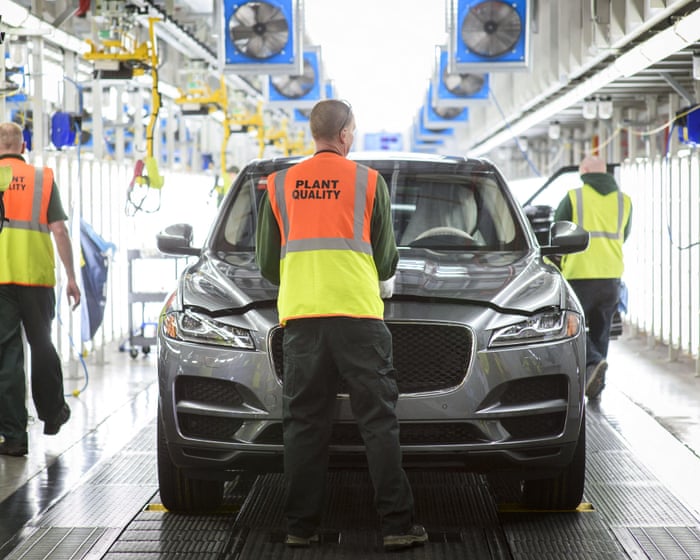
A new report from the IPPR think tank estimates the UK could be exporting between £3.7bn and £6.5bn more to the EU each year if manufacturers did not have to duplicate product testing after Brexit. Without a mutual recognition agreement between London and Brussels, many companies have stopped selling into the EU altogether or set up subsidiaries inside the bloc to avoid the extra administrative burden.
The IPPR calculates these losses, accrued since the UK's post-Brexit trading arrangements took effect in 2021, amount to roughly 0.18% of annual national income — about three times the gain the government expects from the CPTPP trade pact with Japan, Canada, Australia and Singapore.
Losses by sector
Three industries account for most of the missed trade. Motor vehicle and parts exports could have been between £2.48bn and £3.42bn higher annually. Electronic exports are estimated to have lost between £1.17bn and £1.67bn a year, while pharmaceutical exports missed out on between £740m and £820m annually.
The think tank is urging the government to reopen negotiations with Brussels on a mutual recognition agreement built on "dynamic alignment," under which the UK would keep its product rules in step with EU standards in exchange for both sides recognising each other's product assessments.
Earlier this year the Starmer government proposed creating a single market for goods with the EU, but Brussels rejected the plan, insisting deeper cooperation must respect core EU principles and rule out cherry-picking policies.
At this week's Liberal Democrat conference, party leader Ed Davey said that if his party took power, he would open talks to rejoin the EU single market and customs union, arguing this would realign the UK with its biggest trading partner and boost growth.
Joseph Sassoon, an IPPR economist and report co-author, said researchers tested whether other factors — Covid disruption, shifting global supply chains, sanctions on Russia, energy shocks or changing re-export patterns — could explain the decline in exports. The impact of lacking a mutual recognition agreement remained large and statistically significant regardless, he said.

/nginx/o/2026/09/24/17934656t1hf843.jpg)