UK to renationalise Avanti West Coast rail operator in March
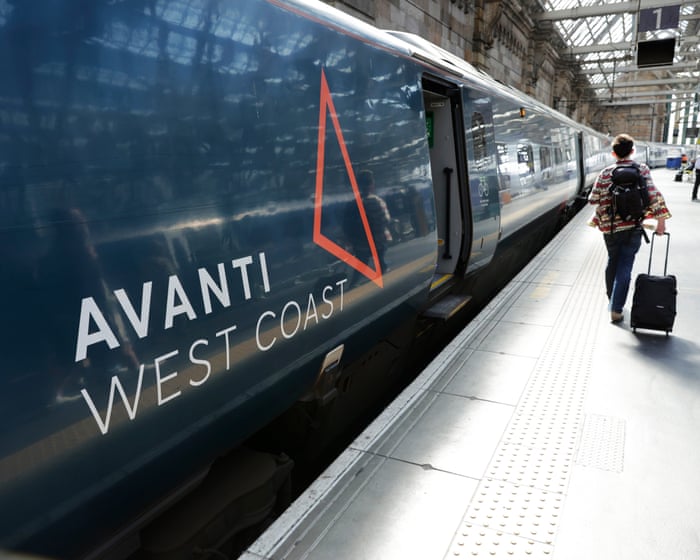
The British government will bring rail operator Avanti West Coast back into public ownership from March, when its contract expires. The move follows years of complaints about delays, cancellations and high fares.
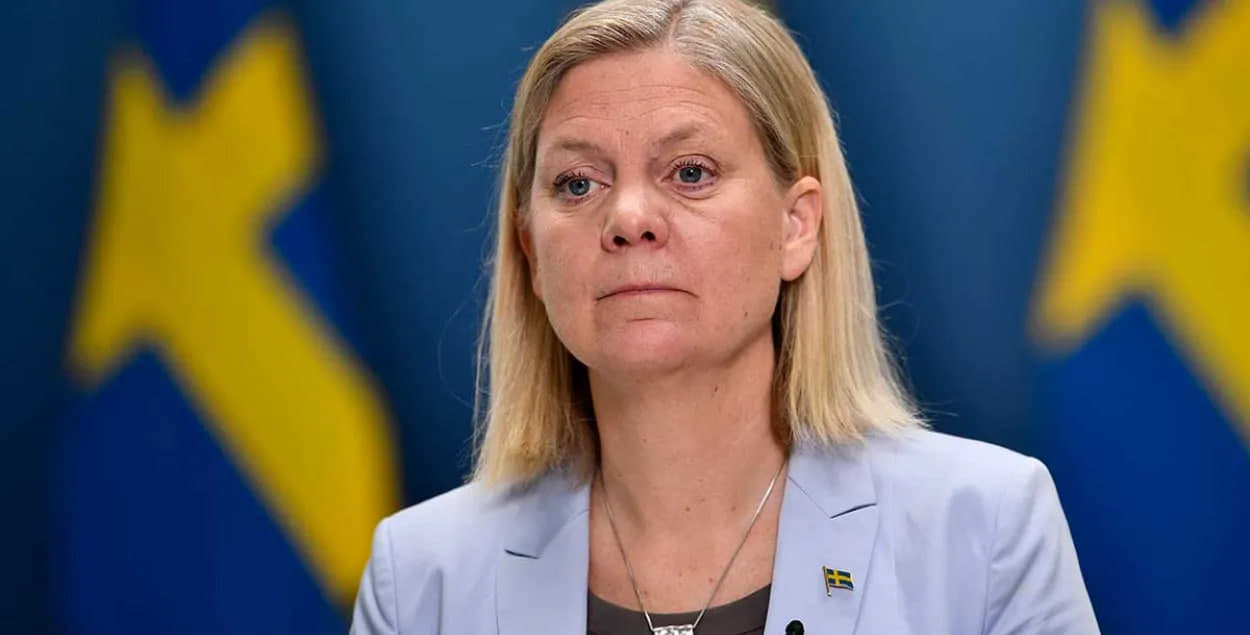
Prime Minister Andy Burnham has announced that Avanti West Coast will be renationalised starting in March, when its current contract with the government comes to an end. He said passengers had endured a service that "failed them time and time again" and that "enough is enough."
Avanti is among the worst-performing rail operators in the country, having cancelled 7.1% of its services between April and June this year — one of the highest rates in Britain. The company runs services connecting the north and south of England, including routes from London to Manchester and Liverpool.
The Labour government has been steadily bringing passenger rail operators under public ownership as their contracts expire. A new public body, Great British Railways, is due to take full oversight of the rail network in 2027.
Burnham has previously criticised Avanti's high fares, noting that peak-time return tickets between Manchester and London have cost as much as £300. Writing on social media, he said passengers had put up with years of cancellations, delays and overcrowding, and pledged that public ownership would prioritise passengers over shareholders, with more investment and fewer delays.
Avanti holds the worst punctuality record of any large UK rail company and has cut several services over the past year, including the 7am train between Manchester and London.
Transport Secretary Heidi Alexander was set to formally confirm the decision at the Labour party conference, saying the government remains committed to returning essential services to public hands to support growth across the country.
Avanti West Coast's managing director, Andy Mellors, defended the company's record, pointing to the refurbishment of its Pendolino train fleet, the introduction of new Evero trains, and an increase in the number of services operated over the past six years.