Britain's real ale campaign group Camra hit by falling membership and losses
Camra, the UK's traditional real ale advocacy group, has seen membership drop to an eight-year low while posting an £800,000 loss last year. The organisation says small breweries face unfair competition from multinational beer companies.
Camra, the Campaign for Real Ale, is facing serious financial difficulties, with its membership falling to its lowest level in eight years and its latest accounts showing an £800,000 loss.
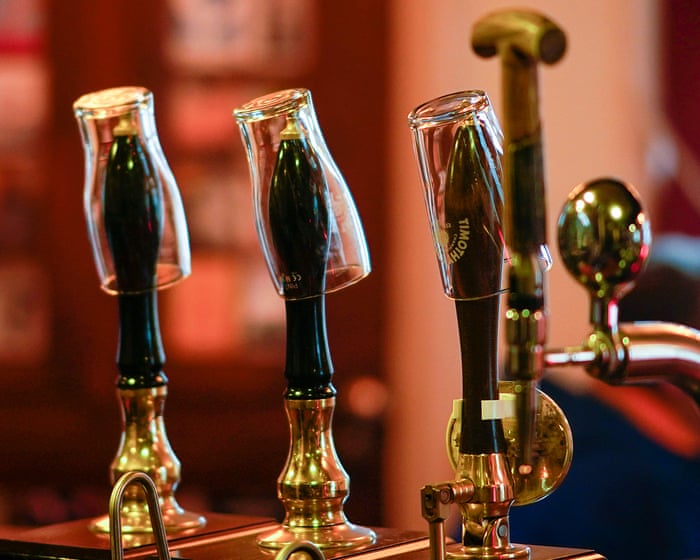
Real ale is a traditional cask-conditioned draught beer considered a "living" product, maturing and being stored in the cask itself. Unlike cold, carbonated lager, it retains live yeast that keeps fermenting right up until it is poured, distinguishing it from beers where yeast is killed and carbon dioxide added.
Competing with multinationals
Camra chief executive Tom Stainer says independent breweries are struggling against unfair competition from large international beer companies. He argues that big global brewers, with deep pockets and significant market influence, make it difficult for small producers to reach customers, partly through incentive deals offered to pub chains involving multi-year tie-ins and minimum purchase requirements. Stainer notes that some pubs have reportedly removed popular independent beers from their taps simply because they were too successful, interfering with contractual minimum-purchase obligations tied to larger suppliers. Camra is now calling on the Competition and Markets Authority to investigate the dominance of major brewing companies.
By contrast, independent venues such as the King Charles I pub in King's Cross, London, report a different picture — cask ale accounts for roughly 30% of sales there, since the pub is free to choose its own beer selection without pressure from a larger pub company.
Financial strain
Last year Camra was forced to cancel its flagship Great British Beer Festival, once the largest event of its kind in the UK, citing financial pressures. In the accounts, chair Ash Corbett-Collins described it as one of the most challenging years the organisation has faced, which led to restructuring and job losses.
Stainer says the cost-of-living crisis makes it harder to sustain membership numbers, as people cut discretionary costs like club memberships to cover rising energy and food bills. A Camra membership currently costs £35 a year.