UK growth forecast for 2027 cut despite Healey's budget measures
The UK's independent fiscal watchdog, the OBR, has cut its 2027 growth forecast to 1% as the Middle East war pushes up energy costs. The downgrade came as Chancellor John Healey presented his first budget.
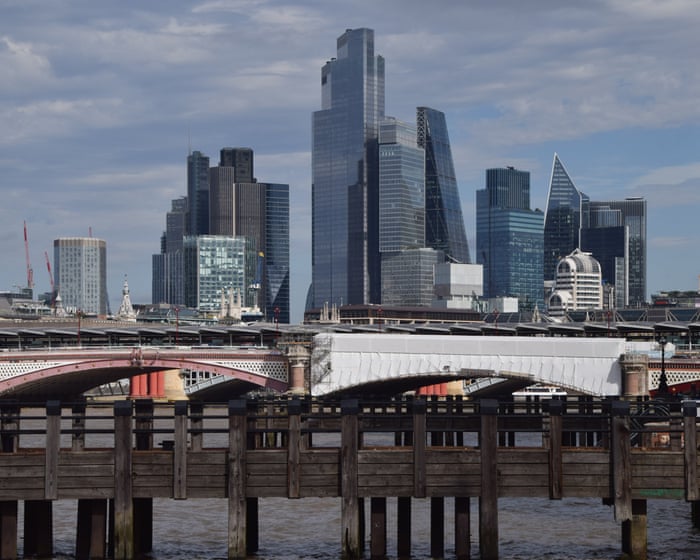
The Office for Budget Responsibility (OBR), the UK government's independent forecaster, on Wednesday lowered its 2027 economic growth forecast from 1.5% to 1%. The downgrade was published as Chancellor of the Exchequer John Healey delivered his first budget. The OBR said the war in the Middle East is dragging on growth and triggering a fresh cost of living crisis for households and businesses.
This year's growth forecast, by contrast, was raised from 1.1% to 1.2% after an unexpectedly resilient performance fuelled by investment in artificial intelligence. Britain recorded the fastest growth in the G7 group of major economies in the first half of 2026.
Inflation and incomes
The OBR expects consumer price inflation of 3.5% this year, compared with the 2% forecast in March, and says it could approach 4% next year. Per-person disposable incomes, adjusted for inflation, are projected to fall in the short term and then rise only modestly before the end of the current parliament. By the start of the 2030s they would be only about 2% above pre-pandemic levels.
Healey's measures
Healey focused on helping families, announcing £100 payments to 20 million households at a cost of £2.6bn, and a plan to abolish standing charges on gas bills. He will fund the energy support package with a temporary increase in tax on banks.
Against the main fiscal rule, which requires day-to-day spending to be matched by tax receipts in three years' time, he left £15bn of headroom. His predecessor, Rachel Reeves, left £23.6bn in the spring. The government is also spending £14bn more on debt interest this year as the conflict pushes up borrowing costs worldwide.
Uncertainty
Since the US-Israeli invasion of Iran at the end of February, oil prices have risen from about $70 a barrel to more than $115, while gas prices have almost tripled. The OBR described the outlook as highly uncertain: if energy prices reached a higher and more sustained peak, borrowing could be £17bn above its central forecast next year, while a lower price path could cut borrowing by £12bn.


