UK flight chaos affecting hundreds of thousands traced to millisecond-long software error
Britain's air traffic control provider Nats says a software defect that corrupted flight data within a single millisecond triggered last week's six-hour outage and mass disruption. The government has ordered an independent review into why the flaw went undetected.
National Air Traffic Services (Nats), the UK's air traffic control provider, has said that a software defect in part of its systems corrupted flight data in the space of a millisecond, causing a six-hour outage on 8 September that led to widespread airline cancellations and delays.
According to a preliminary report, the fault occurred within the National Airspace System, which assigns identification codes to aircraft for radar tracking. While a manual code request was being processed, it was paused by another incoming request. When processing resumed, the software defect caused it to resume incorrectly, corrupting the output and affecting some subsequent flight data updates.
Impact on passengers
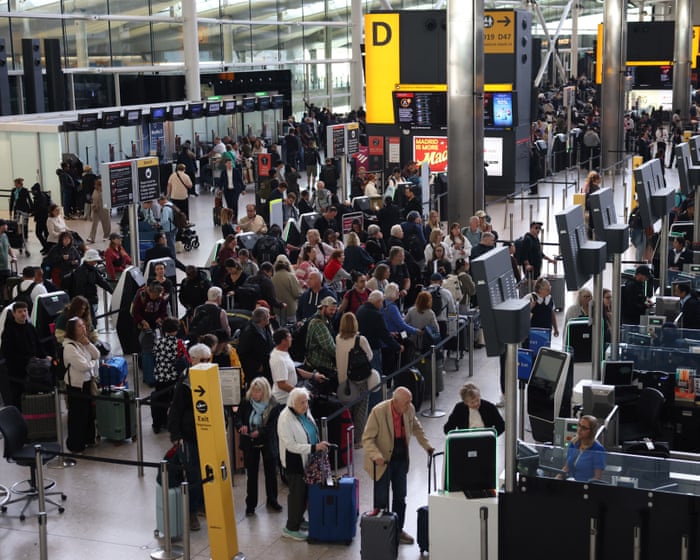
The failure initially disrupted only flights departing from the London area but spread over the course of the evening to affect travel across the UK and beyond. Restrictions were imposed nationwide for six hours to allow the system to be restarted, and it took more than two days to clear the resulting backlog. In total, hundreds of thousands of passengers had their travel plans disrupted.
Nats chief executive Martin Rolfe apologised to those affected, saying the issue has been identified and a temporary mitigation is in place while a permanent fix undergoes safety testing before deployment. He stressed that safety was never compromised during the incident and dismissed speculation linking the outage to military interference or to previous failures.
Government response
This marks the third major UK air traffic control failure since summer 2023, and airlines have called for Rolfe's dismissal. Transport secretary Heidi Alexander described the disruption as completely unacceptable and has tasked the Civil Aviation Authority (CAA) with conducting an independent review of Nats' findings and its investment plans to strengthen future resilience. The CAA's review is expected to be published within six months.

/nginx/o/2026/09/18/17925743t1h9a37.jpg)