Britain’s Festival Frenzy: From Subculture to National Identity
Over the past two decades, music festivals in Britain have transformed from a subcultural gathering into a massive cultural phenomenon and billion-pound industry, but this growth has sparked concerns about commercialization and corporate control.
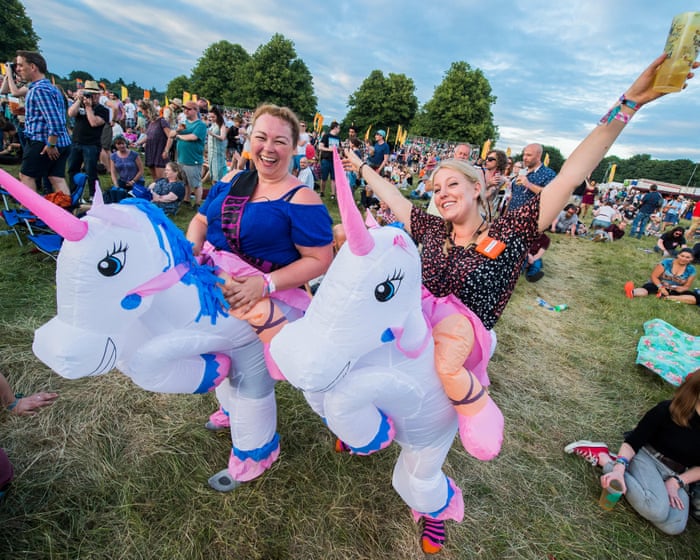
In the last twenty years, music festivals have become one of Britain’s major economic success stories, a true national phenomenon. Glastonbury, which is taking a fallow year this year, has become part of the official canon of British life, alongside Wimbledon or James Bond. In the 1990s, festivals were largely subcultural events attended by crusties, hippies, punks and ravers, but now even members of the royal family attend.
However, this expansion has come with growing pains. Critics point to overwhelmingly male lineups, corporate owners investing in occupied West Bank settlements, and high prices. For instance, AEG wants to cordon off a third of London’s Victoria Park for 75 days every summer—a park opened in 1845 as "the people's park."
One reason for the surge in festival popularity is the rise of streaming platforms, which has broadened listeners' tastes and driven them to seek tangible music experiences. In 1996, a weekend camping ticket for Reading Festival cost £70; in 2026, it costs £325. Meanwhile, streaming has made recorded music virtually free.
Festival culture has evolved from hairy rock events to more diverse lineups including pop stars and rappers. Boutique festivals have emerged, offering not just music but also talks on politics and science, kids' activities, and wellness. There has even been a "festivalisation" of other aspects of life, from street food markets to political demos and even Liz Truss’s CPAC conference.
The phenomenon has deep historical roots. Before the Reformation and industrialization, Britain had hundreds of fairs and festivities that were eventually banned as sources of immorality and disorder. For example, Peckham Fair, which took place in the same park as today’s Gala festival, was banned in 1827 after centuries of existence. Thus, the modern festival frenzy is a revival of ancient traditions of collective joy that were suppressed.

