UK Charity Shop Profits Plunge as Online Secondhand Clothing Market Grows
Profits at several well-known UK charity shop chains have dropped sharply even as national spending on secondhand clothing has quadrupled in a decade. The British Heart Foundation plans to close 150 stores, while Oxfam's retail profit fell 23%.
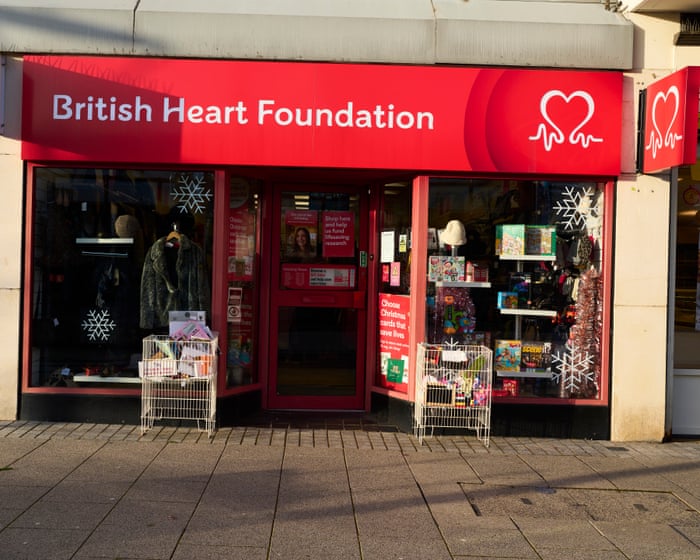
Charity shop chains across the UK are seeing profits fall steeply, and some voices in the sector warn that a core part of how such organisations raise funds may be under threat. The pressure comes from online resale platforms, high operating costs and a decline in the quality of donated clothing.
According to unpublished accounts seen by the Financial Times, retail profit at the international aid charity Oxfam fell 23% in the last financial year, to £4.9m from £6.4m the year before. The British Heart Foundation (BHF), which has the largest high street presence of any UK charity, has announced plans to close 150 stores after they made a loss. Cancer Research UK and Scope have also closed, or are closing, some shops.
At the same time, GlobalData figures show UK spending on secondhand clothing has quadrupled over ten years to £8.8bn a year. The rise has coincided with the growth of sites such as Vinted and Depop, suggesting that people who once donated clothes now sell them directly to other buyers. Meanwhile, Chinese companies are selling more clothing in developing countries, especially in Africa, long a major destination for unwanted secondhand garments.
Oxfam and BHF figures
Oxfam's latest filings show that of every £100 spent in its shops, only £6 now goes to its work on alleviating global poverty, down from £22 as recently as 2022. Lorna Fallon, head of Oxfam's retail operation, acknowledged the situation is challenging and will be painful for the sector. Because of its focus on books and music, Oxfam has no plans to reduce its number of shops.
In June, BHF reviewed its retail arm, which employs almost 3,700 people, after shop profits fell from £18.8m in 2024 to £3.6m in the year to 31 March 2025. It aims to close 90 stores by the end of March 2027 and a further 60 the following year.
Differing explanations
Tansy Hoskins, author of the book Charity Shop World, says the quality of donated clothes has fallen sharply. Robin Osterley, chief executive of the Charity Retail Association, agreed that fast fashion has affected donation quality but said online platforms are not seen as a problem, as they normalise secondhand shopping. In his view, the November 2024 budget, with higher employer national insurance contributions and a lower threshold, has had a much larger effect on costs.
Richard Hawkes, chief executive of Oxfam GB, stressed that shops give the charity a presence in communities and a way to involve more than 20,000 volunteers.