Liepāja Free Port Authority warns transit ban could cut cargo volumes by 40%
Liepāja Special Economic Zone officials warn that banning transit of Russian and Belarusian agricultural goods could cut the port's cargo turnover by about 40%, causing a budget shortfall and threatening around 1,000 jobs.
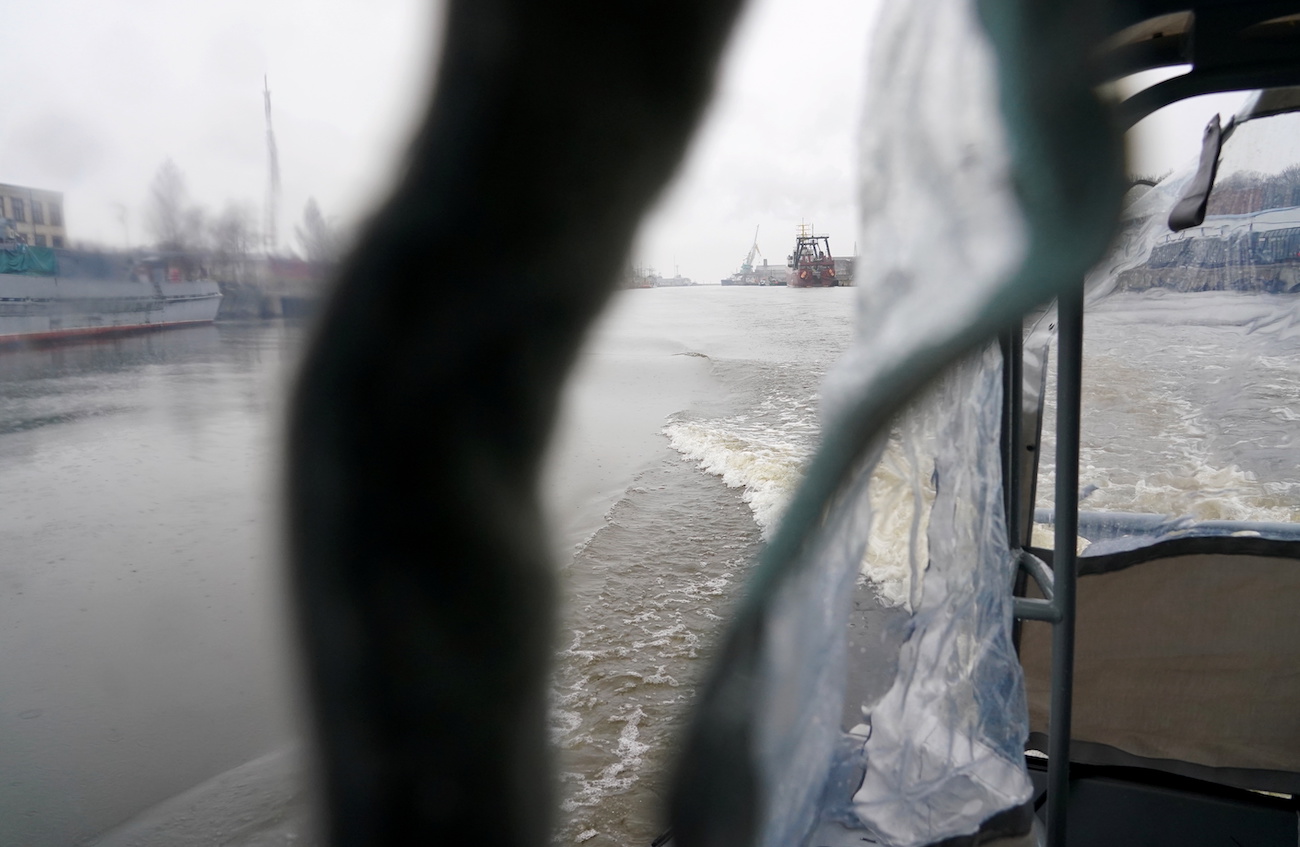
Officials from the Liepāja Special Economic Zone (SEZ) have warned that a complete halt of eastbound cargo transit would cause major losses for the port. If lawmakers approve a proposal to ban the transit through Latvia of agricultural and animal feed products originating from Russia and Belarus, Liepāja port would also lose all cargo currently routed to Central Asia.
SEZ representatives said years of work had gone into building a transit corridor to Kazakhstan, Uzbekistan and other Central Asian countries. For example, Brazilian sugar and Argentine soy arrive by ship in Liepāja and are then transported by rail onward to the region. Port companies currently have contracts in place for handling cargo in this direction.
Possible impact on budget and jobs
According to SEZ calculations, a complete stoppage of cargo flow would reduce the port's total cargo turnover by roughly 40%. This would create a shortfall of four to six million euros in the SEZ administration's planned revenue from port fees, and would eliminate an estimated 1,000 jobs at port terminals and among SEZ companies.
The SEZ also noted that port stevedoring companies work with some of the world's largest grain traders, including the US-based Archer Daniels Midland and Singapore's Olam Agri, which supply grain onward to markets in Africa, the Middle East and Asia. If these companies' operations in Latvian ports were restricted, they could shift business to other Baltic Sea ports in Lithuania, Poland or Estonia — meaning Latvian farmers' grain would also go unsold. Officials added that restricting grain transit to third countries could accelerate a rise in global food prices, affecting inflation across Europe.
In 2025, Liepāja port handled 6.87 million tonnes of cargo, down 2.5% from the previous year, making it Latvia's third-largest port by cargo volume.
The transit ban proposal is set to be discussed by coalition parties at a cooperation meeting in the Saeima on Monday. The measure was initiated by the National Alliance and is supported by the Union of Greens and Farmers, New Unity, and the opposition Progressives party. Separately, the government is due to decide this week on amendments prepared by the Ministry of Agriculture that would allow the Food and Veterinary Service to take samples from transit grain shipments to verify their declared country of origin.