Lithuania dismantles Soviet-era Ignalina nuclear plant as Europe embraces nuclear revival
While nuclear power is enjoying a renaissance across Europe, Lithuania continues dismantling its only nuclear plant, Ignalina, with decommissioning set to run until 2050. The project is now entering its hardest phase, removing the reactor cores, something never before done for this reactor type.
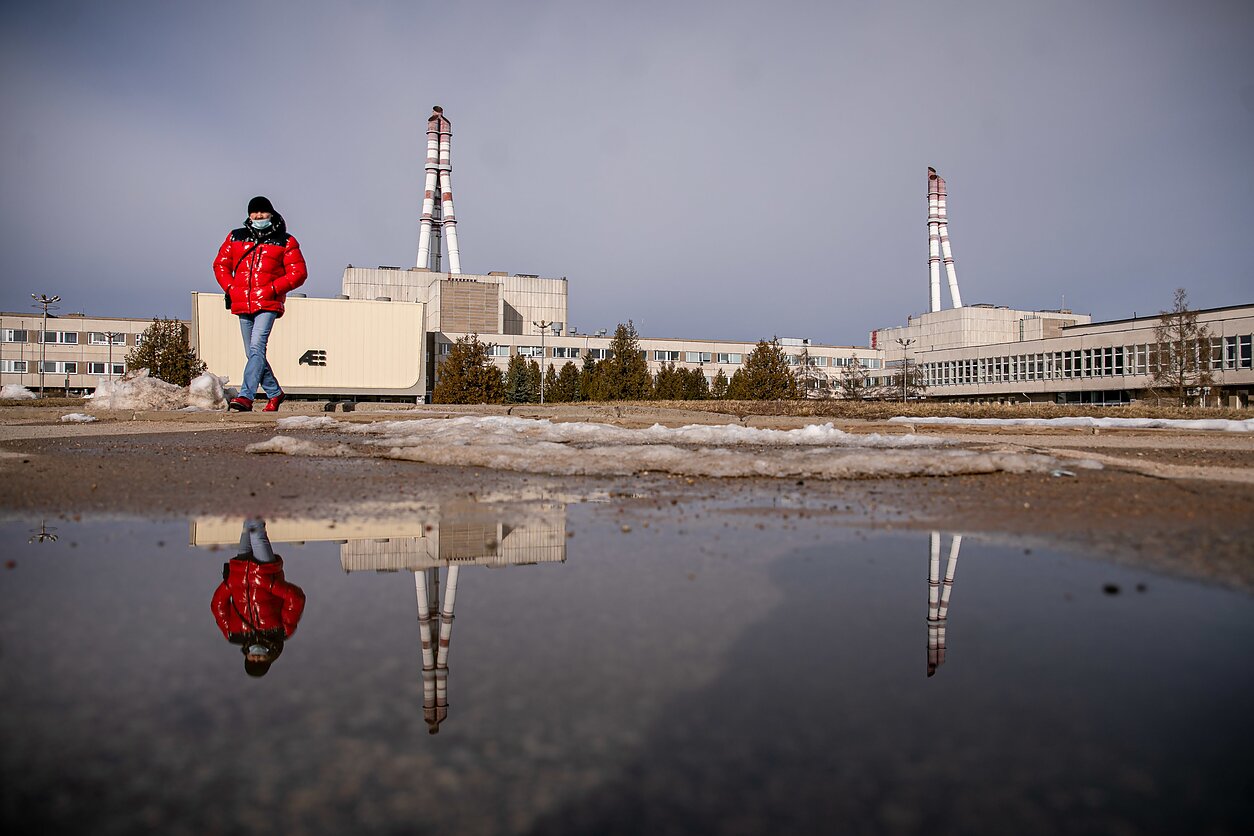
Lithuania's Ignalina nuclear power plant, once one of the world's most powerful Soviet-built facilities, is being methodically taken apart even as nuclear energy sees renewed interest across Europe. Located in north-eastern Lithuania near the borders of Belarus and Latvia, the plant began operating two Soviet RBMK-1500 reactors in the 1980s and at one point supplied around 70% of the country's electricity.
As a condition of EU accession, Lithuania shut down the first reactor in 2004 and the second in 2009. Decommissioning has been under way since 2010 and is scheduled to finish by 2050. So far, about 46% of the plant has been dismantled, over 83,000 of the total 180,000 tonnes of equipment and materials.
The hardest phase yet
Work is now moving into its most difficult stage: dismantling the reactor cores, a task never previously attempted on this type of reactor. Although nuclear fuel has already been removed from the reactors and cooling pools and placed in secure storage, the reactor structures themselves remain radioactive or contaminated after decades of operation. Because of this, much of the core dismantling must be done remotely with robotic equipment.
Materials removed from the plant are sorted, decontaminated and assessed for possible reuse. According to state-owned Altra, which oversees the decommissioning, 78% of dismantled equipment and up to 94% of reinforced concrete have been cleared of radiation control and can enter the secondary raw materials market, with some sold at auction or recycled. Waste that cannot be cleared is treated as radioactive material, and a deep geological repository will eventually be needed for spent fuel and long-lived waste, similar to efforts under way in France, Sweden and Germany.
The plant once employed around 5,000 people; today about 1,500 remain, many living in the nearby town of Visaginas, built in the 1970s to house plant workers. The EU covers roughly 86% of eligible decommissioning costs, with Lithuania and other sources funding the rest. Meanwhile, a separate study is examining whether small modular reactors could have a future role in Lithuania.


