Lithuania's first offshore wind farm not viable without state funding, minister says
Lithuania's Energy Minister Žygimantas Vaičiūnas stated that the country's first commercial offshore wind farm, Curonian Nord, cannot be implemented under current market conditions without state support, urging Ignitis Group to immediately publish its cost-benefit analysis.
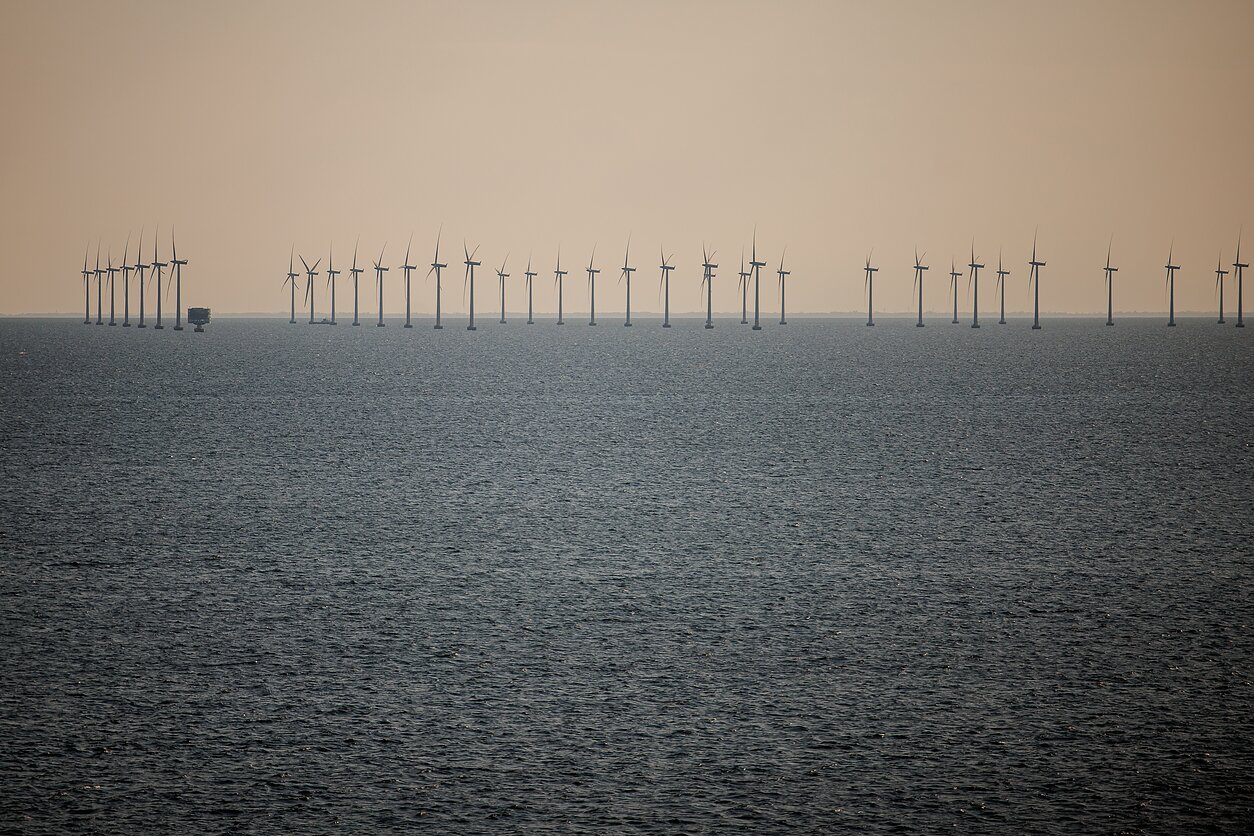
Lithuanian Energy Minister Žygimantas Vaičiūnas told the parliamentary Audit Committee on Wednesday that the country's first commercial offshore wind farm, the Curonian Nord project, is not viable under current market conditions without state funding. The 700-megawatt project is estimated to cost around 3 billion euros. Vaičiūnas urged the state-owned energy group Ignitis Group to publish its cost-benefit analysis without delay.
Ignitis Group submitted the analysis to the Energy and Finance ministries at the end of June. CEO Darius Maikštėnas said the document would only be published after the government had reviewed it fully and prepared its position, and that it must first be released through the stock exchange to comply with market abuse regulations. The Finance Ministry, the company's largest shareholder, had asked Ignitis to postpone publication to allow the government time to coordinate a common position.
Vaičiūnas outlined two possible paths forward. The first is to launch a new tender for at least one offshore wind farm supported by state aid, as the previous aid framework expired in 2025. The second is to seek European Commission approval for state aid specifically for the Curonian Nord project, potentially using EU structural funds. The minister described this as an exceptional measure and said it could be pursued by the next government after public consultation.
Vaičiūnas noted that Lithuania once led Poland in offshore wind development but lost its advantage. He said that if the original plans from 2017-2018 had been implemented without interruption, the first offshore wind farm would already be operating about 33 kilometres off the coast near Palanga. He advised future governments to seek optimal solutions and avoid improvising with strategic national projects.


