Lithuania's parliament backs removing constitutional nuclear weapons ban
Lithuania's Seimas voted on Tuesday to advance a constitutional amendment removing the ban on stationing weapons of mass destruction and foreign military bases on its territory, potentially opening the door to future NATO nuclear deployment. The measure still requires further votes, with a final decision expected in January 2027.
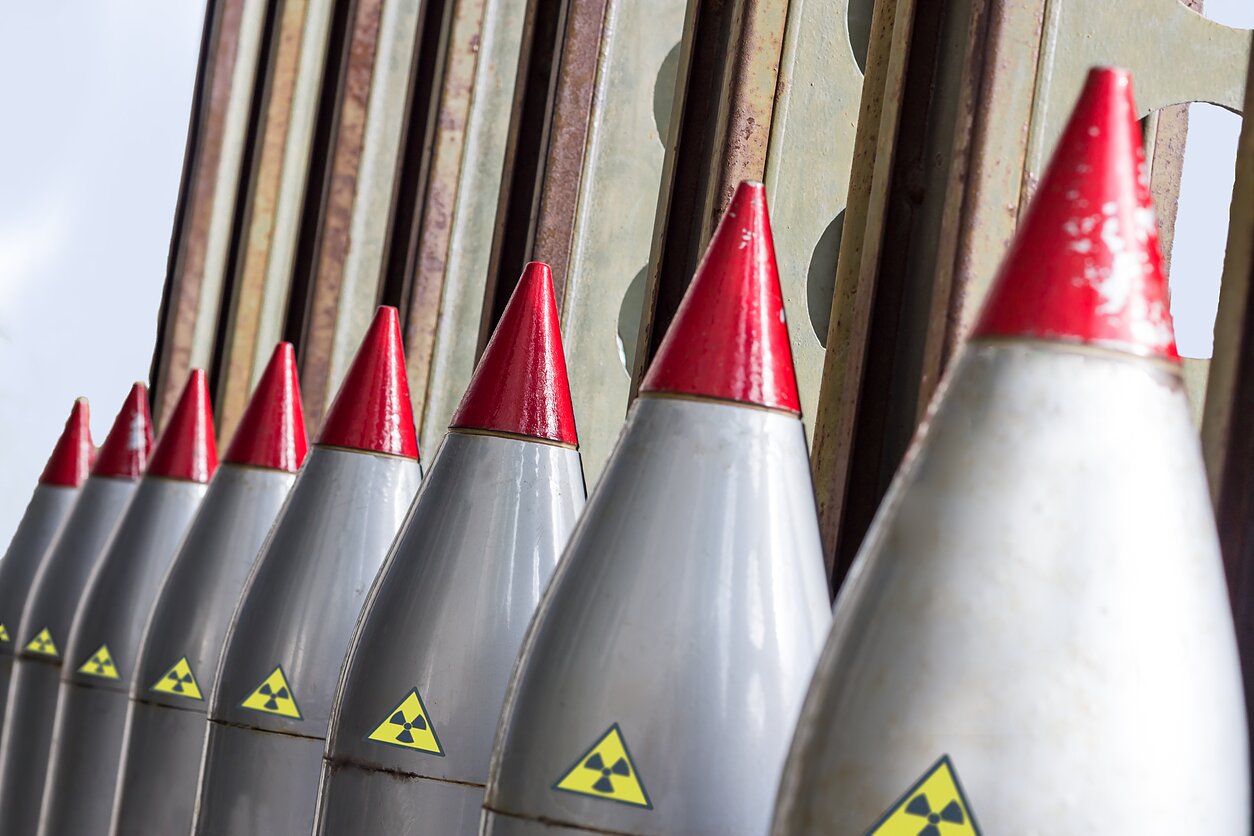
Lithuania's parliament voted 99 in favour, 13 against and five abstentions on Tuesday to advance a proposal to remove a constitutional ban on stationing weapons of mass destruction and foreign military bases in the country. The current provision, Article 137 of the Constitution, would be eliminated, though the vote itself does not authorise any nuclear deployment.
Seimas Speaker Juozas Olekas said the first formal vote on adopting the amendment is set for October 6, with a final vote scheduled for January 12, 2027. Constitutional changes require two votes at least three months apart, each needing support from at least 94 of the 141 lawmakers.
Opposition concerns
Nemunas Dawn party leader Remigijus Žemaitaitis opposed the move, warning that Russia and Belarus could exploit it for propaganda. He argued nuclear-armed allies could already defend Lithuania without the change, and that such a constitutional matter should go to a referendum instead. Independent lawmaker Ignas Vėgėlė questioned why the entire clause, including the ban on foreign military bases, would be deleted rather than just the weapons provision, asking whether this could mean ceding control over bases on Lithuanian soil.
Case for deterrence
Supporters framed the change as aligning Lithuania with allies. Laurynas Kasčiūnas of the opposition Homeland Union noted that Latvia, Estonia, Poland and now Finland have no such restriction, and said nuclear deterrence historically helped prevent Cold War tensions from escalating into direct conflict. Foreign Affairs Committee chairman Remigijus Motuzas said Lithuania must not become a weak link in NATO's regional security, while Liberal Movement leader Viktorija Čmilytė-Nielsen said the vote was about parity, not escalation.
The debate unfolds against a wider European discussion on nuclear deterrence, including French President Emmanuel Macron's push for a European nuclear framework potentially hosting French aircraft, and a Financial Times report that the United States is considering expanding nuclear deployments to more NATO countries, though none has been confirmed for Lithuania.
/nginx/o/2026/08/31/17887164t1h9e72.jpg)