London startup to trial drug to prevent cancer therapy side-effect ‘cytokine storm’
London-based startup Poolbeg Pharma is set to trial an oral drug, POLB 001, at six NHS hospitals to prevent cytokine release syndrome (CRS) – a life-threatening side-effect of cancer immunotherapy for blood cancer patients.
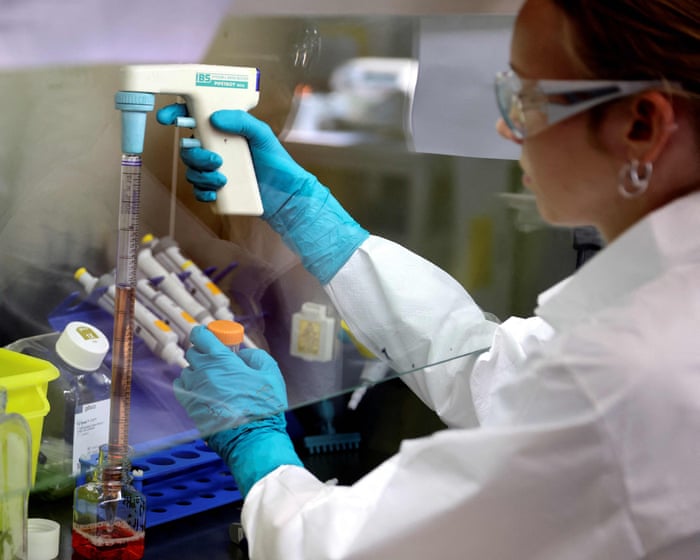
A London-based startup is about to begin a clinical trial of a drug that could make cancer immunotherapy safer by preventing a dangerous side-effect. Poolbeg Pharma’s oral medication, POLB 001, is designed to block cytokine release syndrome (CRS), a condition where the immune system overreacts and attacks the body, potentially causing organ damage.
The upcoming trial will involve 30 patients receiving Johnson & Johnson’s blood cancer drug teclistamab (Tecvayli) at six UK hospitals. The study is led by the University of Manchester and the Christie NHS Foundation Trust.
Jeremy Skillington, CEO of Poolbeg, explained that cancer immunotherapies like CAR T-cell and bispecific antibody treatments are effective but carry the risk of CRS. Patients must currently be treated in specialized cancer centres because CRS can be fatal. There is no approved therapy for preventing CRS.
About 70% of patients on immunotherapies from J&J, Gilead, Novartis, AstraZeneca, and others develop CRS, which starts with fever and increased heart rate and may require intensive care. Skillington noted that in the trial, patients will take Poolbeg’s drug at home before starting cancer treatment to keep the immune system under control and avoid CRS.
The drug, acquired from Spain’s Palau Pharma and originally developed for chronic inflammation, works by blocking a specific cell signalling pathway. Poolbeg expects interim data by the end of summer.
Poolbeg estimates that by 2031, around half a million people diagnosed with multiple myeloma or diffuse large B-cell lymphoma in the US and five largest European countries will receive immunotherapy. Currently, they must stay in hospital for two to three weeks due to the risk of CRS.
Based on a potential price of $20,000 per treatment course, Skillington said the market could be worth $10 billion. Immunotherapy itself costs $300,000 to $400,000 per course.
Additionally, Poolbeg is developing a GLP-1 weight loss pill with Irish company AnaBio Technologies, to be tested in 20 volunteers with a BMI over 30 later this year, led by Dr Carel Le Roux of Ulster University.
The company, named after Dublin’s Poolbeg peninsula, was spun out from clinical research organisation hVIVO in July 2021 and listed on the London Stock Exchange’s AIM market, raising £25 million.
Skillington noted that the NHS is under severe cost and demand pressures. “If you can reduce that burden, that’s the ultimate goal,” he said.