London's low emission zone is working, but other cities remain cautious on clean air
A new study shows London's ultra-low emission zone has improved children's lung health, yet other cities worldwide remain hesitant to adopt similar clean air measures.
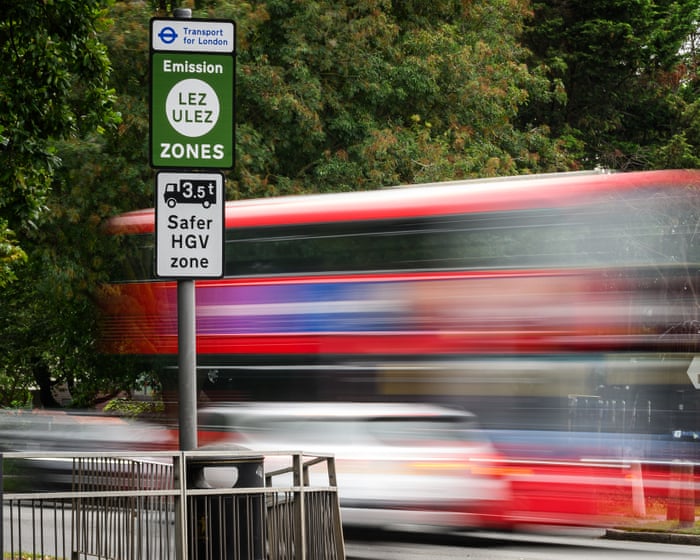
A decade ago, air pollution in London was a daily threat to tens of thousands of children, with several thousand people dying prematurely each year in the city. The 2013 death of a young girl, Ella Adoo-Kissi-Debrah, was officially recognised in 2020 as the first case in the UK where air pollution was listed as a cause of death.
This week, researchers from Queen Mary University London published a study showing a significant turnaround: children's lungs have grown bigger and stronger since restrictions were placed on the most polluting vehicles. The ultra-low emission zone (Ulez), introduced by Mayor Sadiq Khan in 2019 and later expanded, charges polluting vehicles a daily fee and has sharply cut nitrogen dioxide levels. According to the World Health Organization, air pollution kills around 7 million people globally each year, causing not only respiratory problems but also heart disease, strokes and other health issues.
Despite the evidence, introducing the Ulez in London triggered fierce opposition, including legal challenges, protests and threats against the mayor. In 2023, the zone's expansion became a major political issue, influencing an election result in one London suburb and prompting some politicians elsewhere to abandon similar plans.
Other cities around the world are moving at varying speeds. Paris and Barcelona have successfully expanded cycling infrastructure, and New York's mayor plans a similar approach. Bogotá is expanding bike lanes and greening streets, Nairobi has installed an air quality monitoring network and banned imports of older vehicles, while Sofia is replacing coal heating with heat pumps. Melbourne, meanwhile, is only beginning to measure air quality at the neighbourhood level.
Experts point to disinformation, business interests, and the fact that those causing pollution are often not the same people whose children end up in hospital as key obstacles. Meanwhile, new challenges such as wood-burning stoves increasingly threaten London's gains — in 2024, more than 110,000 children were hospitalised there with breathing difficulties.

/nginx/o/2026/08/23/17872041t1h21d0.jpg)