London neurosurgeons carry out world's first successful AI-assisted brain tumour surgery
Surgeons at a London hospital used an artificial intelligence system for the first time during a real operation in May, helping remove a brain tumour and preserve a patient's eyesight. The 48-year-old man has since returned to work.
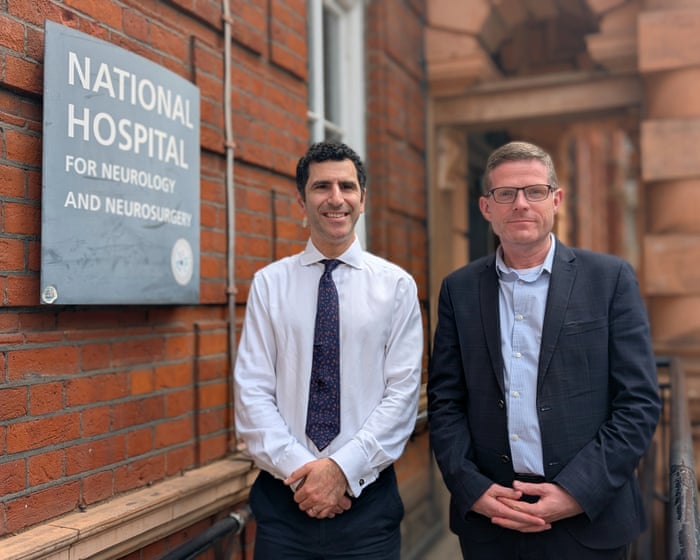
Neurosurgeons at the National Hospital for Neurology and Neurosurgery (NHNN) in London carried out what officials say was the world's first successful operation assisted by artificial intelligence in May, though the details were only revealed on Thursday once the patient had recovered.
Throughout the procedure, the surgical team retained full control, while an AI system analysed live camera footage to help identify nerves and blood vessels situated close to an 11mm tumour on the patient's pituitary gland. The technology works by colour-coding critical anatomical structures so surgeons can recognise them more safely.
The hospital had previously used the system only as a research tool, but this marked the first time it was applied during an actual patient operation. In the area around the pituitary gland, blood vessels and vision-controlling nerves sit extremely close together, meaning an error of even a millimetre could result in blindness, stroke or death.
The patient, 48-year-old Rhys Hibbert from Bedfordshire, said that upon waking he could see everything in the room clearly, and within a week he was able to walk unaided, without glasses or a stick. He has since returned to his job as a customer service manager.
Hibbert was diagnosed in 2024, and his condition was initially managed without surgery. However, his symptoms — including severe hormone imbalance and vision problems — worsened over time, and without the operation he faced the prospect of losing his sight entirely.
Dr Sophia Bano, an associate professor in robotics and AI at UCL and technical lead for the system, said it had been trained on hundreds of surgical videos, giving it exposure to a breadth of cases that would normally take a surgeon years to encounter. She said the system is designed to help recognise critical anatomy, instruments and tissue interactions in real time.
The operation was funded by the National Institute for Health and Care Research (NIHR) as part of a clinical trial. Prof Mike Lewis, the institute's scientific director for innovation, said the pioneering surgery demonstrated the potential of advanced AI to support surgeons and improve patient care.